
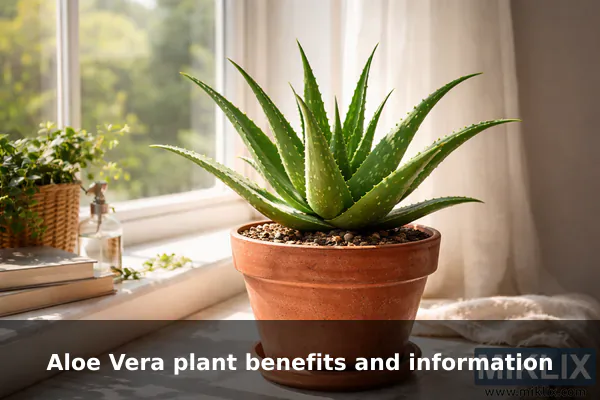
Aloe vera is one of the most recognizable succulents in the world, prized for its rosette of thick, fleshy leaves and the clear gel stored inside them. It tolerates dry conditions, asks very little of its owner, and fits comfortably on a sunny windowsill, which makes it a favorite among beginner plant lovers and experienced gardeners alike.
Beyond its ornamental charm, aloe vera carries a long reputation for household uses. It is important, however, to separate traditional claims from cautious, evidence-aware guidance. This article explains what aloe vera is, why it performs so well as a plant, what its gel may and may not do, and how to grow and handle it responsibly at home.
What Is Aloe Vera?
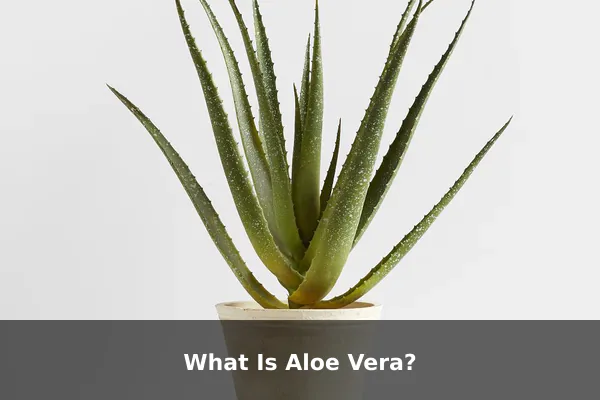
Aloe vera is a stemless or short-stemmed succulent in the family Asphodelaceae. Its accepted botanical identity, recognized by the Royal Botanic Gardens, Kew, is Aloe vera. The plant forms a tight rosette of triangular, fleshy leaves, each edged with small soft teeth and filled with a moisture-rich inner tissue commonly called the gel.
Native to arid regions and now cultivated around the globe, aloe vera grows outdoors in warm, frost-free climates and indoors almost anywhere it can receive bright light. Two distinct substances come from its leaves: the clear inner gel and a yellowish layer just beneath the leaf skin known as latex. The difference between them matters greatly for safety, as explained later.
Key Benefits of Aloe Vera as a Plant
Before considering any topical use, aloe vera earns its place purely as a houseplant. Its practical advantages include:
- Low maintenance: it stores water in its leaves and forgives an occasional missed watering.
- Drought tolerance: it suits busy owners and dry indoor air better than most leafy plants.
- Decorative value: its sculptural rosette adds structure to shelves, desks, and sunny corners.
- Easy propagation: mature plants produce small offsets, or “pups,” that can be separated into new plants.
- Compact growth: it stays a manageable size in a pot, ideal for small spaces.
A Good Choice for Beginners
Because it signals stress slowly and recovers well from minor neglect, aloe vera is one of the most reliable plants for newcomers. It rewards consistency rather than constant attention, helping new gardeners build confidence.
Common Topical Uses and What Evidence Suggests
Aloe vera gel is widely applied to the skin, and many people use it on minor irritation or after sun exposure. According to the National Center for Complementary and Integrative Health, the available research on aloe vera is mixed, and the evidence for many uses is limited or inconsistent.
In practical terms, this means aloe gel may feel soothing and cooling for very minor, everyday skin discomfort, but it should not be treated as a proven treatment. Serious burns, deep or infected wounds, persistent rashes, and ongoing skin conditions need professional medical care rather than home remedies.
Safety Notes: Skin Use, Oral Use, and Laxative Concerns
Aloe vera is familiar and easy to grow, but it is not risk-free, and oral use in particular calls for caution.
Skin Use
Some people experience irritation or an allergic reaction to topical aloe. A patch test on a small area of skin before wider use is sensible. If redness, itching, or swelling appears, stop using it.
Oral Use and Laxative Concerns
Swallowing aloe is very different from applying gel to the skin. The yellow latex contains compounds with a strong laxative effect. The U.S. Food and Drug Administration has addressed aloe ingredients in its rulemaking history for over-the-counter laxative drug products, and aloe latex is no longer treated as a recognized safe and effective nonprescription laxative ingredient. The National Institute of Environmental Health Sciences has also examined safety questions around whole-leaf aloe vera extracts.
Given these concerns, oral aloe products, latex, and whole-leaf preparations should be approached carefully. People who are pregnant or breastfeeding, who take medications, or who have existing health conditions should speak with a qualified healthcare professional before using aloe internally.
How to Grow Aloe Vera at Home
University extension guidance, such as that from the University of Florida IFAS Extension, points to a few simple priorities for healthy aloe vera.
Light and Placement
Aloe vera prefers bright light. Indoors, a sunny window is ideal. Outdoors in warm climates it can grow in full sun, but plants moved suddenly from indoors to direct sun may scorch, so increase exposure gradually.
Soil and Containers
Use a well-draining mix, such as a cactus or succulent potting medium, in a container with drainage holes. Terracotta pots help excess moisture escape and reduce the risk of root rot.
Watering
Water thoroughly, then let the soil dry out before watering again. Aloe vera needs far less water than typical houseplants, especially during cooler months when growth slows.
Watering, Soil, and Light Mistakes to Avoid
Most aloe vera problems trace back to a small number of avoidable errors:
- Overwatering: the leading cause of decline, often producing soft, mushy leaves and root rot.
- Poor drainage: pots without holes or dense soil trap moisture around the roots.
- Too little light: low light causes weak, stretched, pale growth.
- Sudden sun exposure: moving a plant abruptly into intense sun can brown or bleach the leaves.
- Cold damage: aloe vera is sensitive to frost and should be protected from freezing temperatures.
Harvesting Aloe Gel Responsibly
If you choose to harvest gel from a mature plant, do so carefully and conservatively.
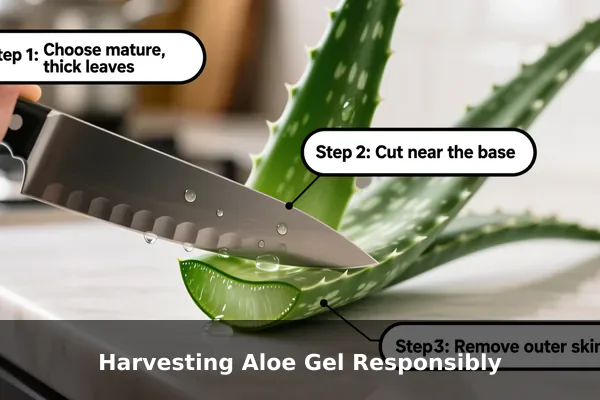
- Select a thick, mature outer leaf and cut it cleanly near the base with a clean knife.
- Stand the cut leaf upright for a few minutes to let the yellow latex drain away.
- Trim the edges, slice the leaf open, and scoop out the clear inner gel, keeping it separate from the latex.
- Patch test the gel on a small area of skin before broader use.
- Treat home harvesting as a simple plant activity, not a substitute for medical advice.
Aloe Vera Quick Facts
| Plant type | Succulent (Aloe vera) |
| Light | Bright light; gradual sun exposure outdoors |
| Watering | Infrequent; allow soil to dry between waterings |
| Soil | Well-draining cactus or succulent mix |
| Best use | Easy-care ornamental and indoor plant |
| Safety reminder | Topical gel for minor use only; be cautious with oral aloe |
Final Takeaway for Plant Owners
Aloe vera is a resilient, attractive, and genuinely beginner-friendly plant that delivers real value as a low-maintenance houseplant. Its gel has a long tradition of topical use, though current evidence is limited and best viewed with cautious expectations rather than firm promises.
The clearest boundary is between gentle topical use and oral consumption: applying gel to minor skin discomfort is common, but ingesting aloe latex or whole-leaf products carries recognized risks. Grow aloe vera for its easy charm, enjoy its sculptural form, harvest its gel responsibly, and rely on qualified professionals for any real health concern.
Official references
- National Center for Complementary and Integrative Health – Aloe Vera – NIH fact sheet summarizing evidence for aloe vera uses, possible benefits, safety concerns, interactions, and regulatory context.
- National Institute of Environmental Health Sciences – Aloe Vera – Official NIEHS/NTP overview useful for safety, toxicology, and whole-leaf aloe vera exposure context.
- U.S. Food and Drug Administration – OTC Laxative Rulemaking History – Primary regulatory source for aloe ingredients in over-the-counter laxative products and related safety classification history.
- Royal Botanic Gardens, Kew – Plants of the World Online: Aloe vera – Authoritative botanical reference for accepted scientific name, taxonomy, distribution, synonyms, morphology, and plant uses.
- University of Florida IFAS Extension – Aloe Vera Gardening Solutions – University extension source for practical aloe vera plant care, light, watering, indoor/outdoor growing, and horticultural facts.
