
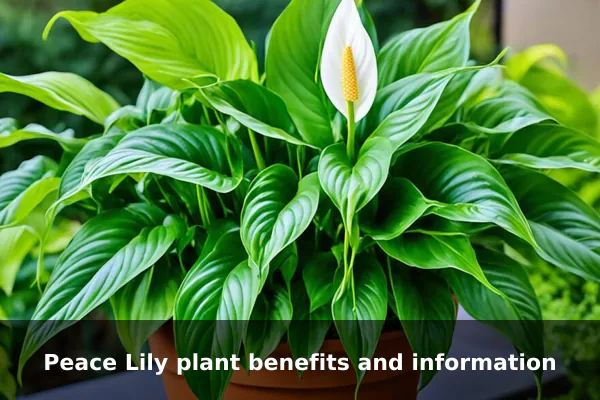
The peace lily is one of the most recognizable indoor plants in homes and offices around the world, valued for its deep green leaves and graceful white blooms. If you have ever admired a pot of glossy foliage topped with an elegant, hood-shaped white flower, there is a good chance you were looking at a peace lily.
This guide gathers practical, evidence-aware information about peace lily benefits, care basics, and safety. It also takes an honest look at popular air-purifying claims so you can decide whether this plant suits your space — especially if you share your home with curious pets or young children.
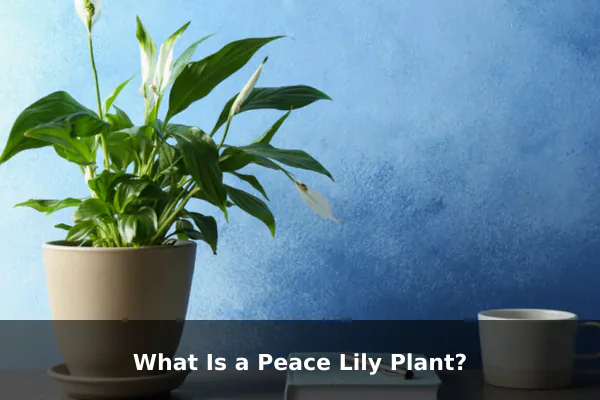
What Is a Peace Lily Plant?
The plant commonly sold as a peace lily belongs to the genus Spathiphyllum, a group of tropical perennials native to rainforest regions of the Americas and parts of Southeast Asia. Despite the name, it is not a true lily. The U.S. FDA points out that peace lilies are different from true lilies (such as Lilium and Hemerocallis species), an important distinction that matters most for pet owners.
What many people call the “flower” is actually a modified leaf called a spathe — the white, hood-like structure that wraps around a slender spike known as the spadix. The spadix carries the plant’s tiny true flowers. This combination of dark, arching foliage and a single bright spathe is what gives the peace lily its clean, sculptural look.
Why Peace Lilies Are So Common Indoors
Peace lilies thrive in the warm, stable, lower-light conditions found inside most buildings. They tolerate the indirect light of typical living rooms, stay reasonably compact, and recover quickly from minor neglect. Those qualities make them a frequent choice for desks, hallways, and bright corners.
Main Benefits of Keeping a Peace Lily Indoors
Most of the genuine benefits of a peace lily relate to comfort, aesthetics, and ease of care rather than dramatic health effects. Realistic advantages include:
- Decorative value: Lush leaves and a tidy white spathe add a calming, polished look to almost any room.
- Beginner-friendly care: The plant signals its needs clearly — for example, it droops noticeably when thirsty — making it forgiving for new growers.
- Compact footprint: It fits well on side tables, shelves, and small spaces without quickly outgrowing its spot.
- Modest humidity contribution: Like most leafy houseplants, it releases some moisture into the air through transpiration, though one plant’s effect on a whole room is small.
- Long-lasting greenery: With steady care, a healthy peace lily can remain attractive for many years.
The Truth About Peace Lilies and Air Quality
Peace lilies are often promoted as “air-purifying” plants. This idea traces back to a NASA technical study from the late 1980s that tested how interior plants removed certain pollutants. It is worth understanding what that research actually showed.
The NASA experiment measured pollutant removal inside small, sealed test chambers — not in normal living spaces. Those conditions are very different from a real home or office with regular airflow, ventilation, and far larger air volumes per plant. The U.S. EPA cautions that, in practical terms, typical numbers of houseplants have not been shown to remove indoor air pollutants in a meaningful way in homes and offices.
In short, a peace lily can be a pleasant, leafy addition to your space, but you should not rely on it as a substitute for proper ventilation or for reducing indoor pollution. Treat the “air purifier” label as marketing shorthand rather than a guaranteed health benefit.
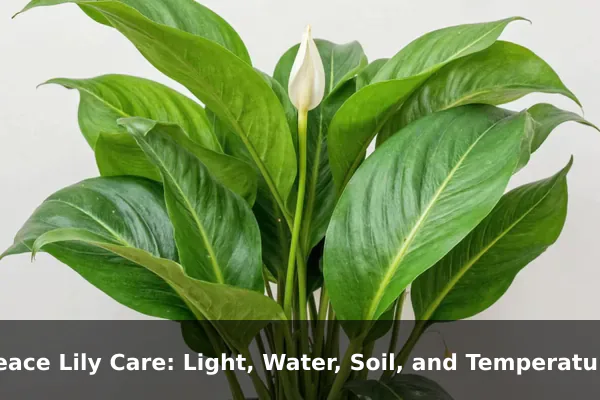
Peace Lily Care: Light, Water, Soil, and Temperature
One reason peace lilies remain so popular is that their care routine is straightforward once you understand a few basics.
Light
Peace lilies prefer bright, indirect light. They tolerate lower light but may bloom less often there. Avoid harsh, direct sun, which can scorch the leaves and leave pale or brown patches.
Watering
Keep the soil consistently moist but never waterlogged. Let the top inch of soil begin to dry, then water thoroughly until excess drains away. The plant’s tendency to droop is a helpful reminder, but repeated severe wilting stresses it, so try not to rely on that signal alone.
Soil and Potting
Use a well-draining, peat-based potting mix in a container with drainage holes. Standing water at the roots is the most common cause of decline, so good drainage matters more than any single fertilizer.
Temperature and Humidity
These tropical plants enjoy normal indoor warmth and dislike cold drafts. Moderate to higher humidity keeps leaf tips healthy. Feed sparingly with a balanced houseplant fertilizer during the active growing season.
Common Peace Lily Problems and Simple Fixes
Most peace lily troubles come down to watering and light. Use this quick troubleshooting list:
- Yellow leaves: Often caused by overwatering or aging foliage. Check drainage and adjust your watering schedule.
- Brown leaf tips: Usually linked to low humidity, inconsistent watering, or excess fertilizer or mineral buildup.
- Drooping: Commonly a sign of thirst, but persistent drooping in wet soil can point to root problems.
- No blooms: Frequently a light issue — move the plant to brighter indirect light.
- Root rot: Caused by soggy soil. Remove the plant, trim mushy roots, and repot in fresh, well-draining mix.
Is Peace Lily Safe for Pets and People?
This is the most important section for any household with animals or children. The peace lily is considered toxic when chewed or ingested.
According to the ASPCA, Spathiphyllum is toxic to cats and dogs. Its tissues contain insoluble calcium oxalate crystals. When an animal bites the leaves, these crystals cause intense irritation. Reported clinical signs in pets include oral pain, drooling, difficulty swallowing, and vomiting.
The U.S. FDA emphasizes that peace lilies are not true lilies. True lilies can cause severe kidney failure in cats, while peace lilies cause an irritating but generally different reaction linked to calcium oxalate exposure. Both still warrant caution.
For people, Poison Control explains that biting or swallowing peace lily plant material can cause mouth and throat irritation, burning, and swelling. Serious poisoning is uncommon, but symptoms can be uncomfortable, particularly for small children.
What to do: If a pet chews a peace lily, contact your veterinarian or a pet poison hotline. If a person ingests part of the plant, contact Poison Control or seek medical advice, especially if symptoms are significant. When in doubt, get professional guidance promptly.
Best Places to Put a Peace Lily at Home
Choose a spot that satisfies the plant’s light needs while keeping it out of reach of pets and children:
- A bright bathroom or kitchen corner that receives indirect light and benefits from extra humidity.
- A living room shelf or plant stand set back from direct sun and away from cold drafts.
- An office desk near a window with filtered light.
- Elevated surfaces, hanging displays, or rooms that pets and toddlers cannot access easily.
Placement is both a styling decision and a safety decision — height and access matter as much as light.
Quick Peace Lily Care Checklist
Keep this scannable summary handy:
- Light: Bright, indirect; avoid harsh direct sun.
- Water: Keep evenly moist; let the top inch dry slightly before watering.
- Soil: Well-draining mix in a pot with drainage holes.
- Feeding: Light, balanced fertilizer during the growing season.
- Leaf care: Gently wipe dust from leaves to keep them healthy and glossy.
- Repotting: Move to a slightly larger pot when roots fill the container.
- Safety: Keep away from pets and young children; the plant is toxic if chewed.
Final Thoughts on Peace Lily Benefits and Information
The peace lily earns its popularity honestly: it is attractive, forgiving, and well-suited to indoor life. Its real strengths are visual appeal, easy maintenance, and reliable performance in moderate light. Claims about powerful air purification, however, deserve a more cautious reading than marketing often suggests.
Understood correctly, a peace lily is a rewarding houseplant — simple to care for and pleasant to live with. The key is to enjoy its genuine benefits, follow a consistent care routine, and respect its toxicity by placing it safely away from pets and children.
Official references
- ASPCA Animal Poison Control – Peace Lily – Primary pet-toxicity reference for Spathiphyllum, including toxic principles and clinical signs in cats and dogs.
- U.S. FDA – Lovely Lilies and Curious Cats – Clarifies the difference between true lilies and peace lilies, and explains calcium oxalate irritation risks for pets.
- Poison Control – Are peace lilies poisonous? – Human poisoning guidance for peace lily ingestion, symptoms, and when to contact poison control.
- U.S. EPA – Improving Indoor Air Quality – Authoritative context for indoor air quality claims, including EPA caution that normal numbers of houseplants have not shown significant pollutant removal in homes or offices.
- NASA Technical Reports Server – Interior Landscape Plants for Indoor Air Pollution Abatement – Original NASA technical memorandum often cited for peace lily air-purifying claims; useful as the primary source, with careful framing of its sealed-chamber context.
