

The snake plant has earned a place in homes worldwide as one of the most forgiving and stylish houseplants you can grow. With its tall, sword-shaped leaves and bold patterns, it adds a sculptural sense of structure to any room while asking very little in return. Whether you are a complete beginner or a busy plant owner who often forgets to water, this resilient ornamental is built to thrive on a bit of neglect.
This guide gathers the practical snake plant benefits and information you actually need: what the plant is, how to care for it, what the evidence really says about its air-purifying reputation, and how to keep it safe around curious pets and children. The goal is a balanced, honest picture so you can enjoy this plant with realistic expectations.
What Is a Snake Plant?
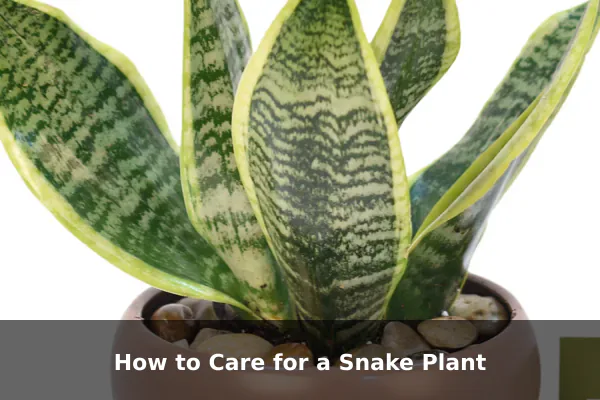
The snake plant is a hardy evergreen perennial now botanically treated as Dracaena trifasciata. Many older books, plant labels, and nurseries still use the previous name Sansevieria trifasciata, so you may see both used interchangeably. The Royal Botanic Gardens, Kew notes that the updated name reflects revised botanical classification, but both names point to the same plant.
Common names include mother-in-law’s tongue and Saint George’s sword, inspired by the upright, pointed leaves. The plant is native to tropical West Africa, where it stores water in its thick, fleshy leaves — a trait that explains its remarkable drought tolerance indoors.
How to Recognize It
- Stiff, upright leaves growing in a rosette straight from the soil
- Dark green coloring with lighter horizontal banding
- Yellow leaf margins in popular cultivars such as ‘Laurentii’
- Slow, steady growth with a narrow, space-saving footprint

Main Benefits of Snake Plant Indoors
Most snake plant benefits are practical and lifestyle-based rather than dramatic. For everyday indoor living, that is exactly what makes this plant so valuable.
- Low maintenance: It tolerates irregular watering and is forgiving of missed care.
- Light flexibility: It adapts to anything from bright, indirect light to fairly low light.
- Architectural shape: The vertical leaves suit narrow corners, shelves, and small spaces.
- Durability: It resists pests and handles dry indoor air better than many houseplants.
- Beginner friendly: It is one of the easiest plants to keep alive while you build confidence.
Air-Purifying Claims: What the Evidence Really Says
The snake plant is often marketed as an air-purifying plant. This reputation traces back to a NASA technical study from the late 1980s that tested several plants for their ability to remove volatile organic compounds (VOCs) in small, sealed chambers. The snake plant was among the species studied.
However, it is important to read that research carefully. The NASA experiments used tightly enclosed test chambers, not normal rooms with furniture, airflow, and open doors. More recent peer-reviewed analysis, including a review published in the Journal of Exposure Science & Environmental Epidemiology, concluded that potted plants do not meaningfully improve indoor air quality at realistic room scales. Normal ventilation removes VOCs far faster than a few houseplants can.
The honest takeaway: a snake plant is a pleasant, low-effort decorative plant, but it should not be treated as a replacement for proper ventilation or a mechanical air purifier.
How to Care for a Snake Plant
Snake plant care is simple once you understand that this plant prefers dryness to excess moisture. Overwatering is by far the most common cause of failure.
Light
It grows best in bright, indirect light but tolerates lower light with slower growth. Avoid long exposure to harsh, direct midday sun, which can scorch the leaves.
Watering and Soil
Water only when the soil is dry well below the surface, roughly every two to six weeks depending on season and conditions. Use a gritty, well-draining mix — a cactus or succulent soil works well — and always choose a pot with drainage holes.
Temperature and Potting
Average warm room temperatures suit it well, and it dislikes cold drafts below about 50°F (10°C). It is happy slightly root-bound, so repot only every few years or when roots crowd the container.
Common Problems and Simple Fixes
Yellow or Mushy Leaves
Soft, yellowing leaves usually signal overwatering and possible root rot. Let the soil dry out, trim affected roots, and repot into fresh, dry mix.
Brown Tips and Curling
Brown, crispy tips or curling leaves often point to underwatering or very dry air. Adjust your watering rhythm gradually rather than soaking the plant all at once.
Pests and Slow Growth
Watch for mealybugs and spider mites, especially in dry conditions. Slow growth is normal; snake plants are naturally unhurried, and growth nearly stops in winter.
Is Snake Plant Toxic to Pets or People?
Safety is an important part of any honest snake plant information guide. The plant contains natural compounds called saponins, which act as a mild defense for the plant but can irritate animals and people if leaves are chewed or swallowed.
The ASPCA lists the snake plant as toxic to cats and dogs. Reported signs after ingestion can include nausea, vomiting, and drooling. University extension resources note similar mild toxicity for humans, particularly if leaves are eaten. Practical advice:
- Keep the plant out of reach of cats, dogs, and small children who may chew leaves.
- Place it on high shelves or in rooms pets cannot access freely.
- Contact a veterinarian or a poison helpline if significant ingestion occurs.
Best Places to Display Snake Plant at Home
Because of its upright shape and light flexibility, the snake plant fits many indoor spots:
- Entryways and hallways: The vertical form works well in narrow areas.
- Living rooms: A larger specimen makes a clean, modern floor accent.
- Bedrooms and offices: It tolerates moderate light and minimal attention.
- Shelves and high surfaces: An ideal choice in homes with pets, keeping leaves out of reach.
Quick Snake Plant Facts
- Botanical name: Dracaena trifasciata (formerly Sansevieria trifasciata)
- Common names: Snake plant, mother-in-law’s tongue
- Care level: Very easy, beginner friendly
- Light: Bright indirect light preferred; tolerates low light
- Watering: Infrequent; allow soil to dry fully
- Mature size: Commonly around 1 to 4 feet tall indoors
- Toxicity: Toxic to cats and dogs; mildly toxic to humans if eaten
Final Takeaway
The snake plant is a genuinely rewarding houseplant: tough, attractive, and forgiving enough for almost anyone. Its real strengths are low maintenance, an elegant architectural form, and reliable indoor performance. Its air-purifying reputation, while popular, is modest and limited by current evidence, so it is best enjoyed as a decorative companion rather than an air-cleaning device. Keep it in well-draining soil, water it sparingly, and place it safely away from chewing pets, and this resilient plant will quietly thrive in your home for years.
Official references
- Royal Botanic Gardens, Kew – Plants of the World Online: Dracaena trifasciata – Authoritative taxonomy, accepted botanical name, synonyms, distribution, morphology, and source-backed plant data for snake plant.
- North Carolina Extension Gardener Plant Toolbox – Snake Plant – University extension profile covering identification, growing conditions, drought tolerance, and human/pet toxicity notes including saponins.
- ASPCA Animal Poison Control – Snake Plant – Primary pet-toxicity reference for cats and dogs, including toxic principles and expected clinical signs.
- NASA Technical Reports Server – A Study of Interior Landscape Plants for Indoor Air Pollution Abatement – Original NASA technical memorandum often cited for snake plant air-purification claims; useful for accurately framing what was tested and in what conditions.
- Journal of Exposure Science & Environmental Epidemiology – Potted plants do not improve indoor air quality – Peer-reviewed review and analysis that contextualizes houseplant VOC-removal claims in real indoor environments.
