
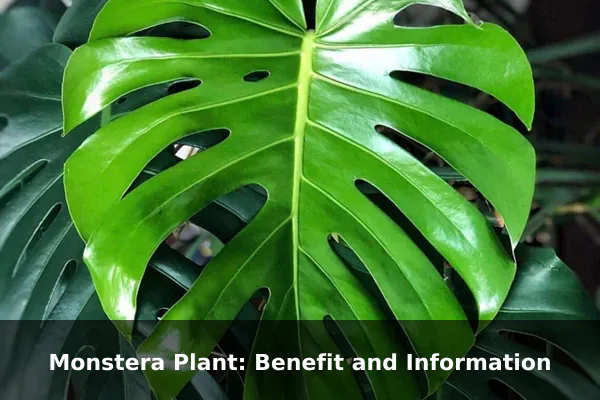
The Monstera plant has become one of the most recognizable and beloved houseplants in the world. With its dramatic split leaves and tropical appearance, it instantly transforms any room into a lush, vibrant space. Whether you are a seasoned plant enthusiast or just beginning your indoor garden journey, the Monstera offers a rewarding experience that combines beauty with relatively straightforward care.
Originally found in the tropical rainforests of Central and South America, the Monstera thrives in warm, humid environments. Its adaptability to indoor conditions has made it a top choice for home decorators and plant lovers alike. This guide covers everything you need to know — from its key benefits and popular varieties to care tips, common problems, and propagation techniques.
What Is a Monstera Plant?
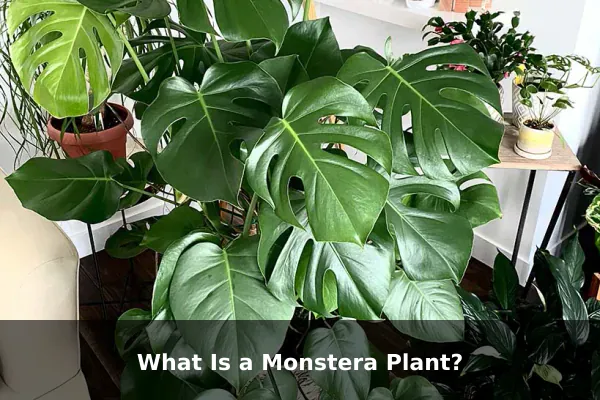
The Monstera is a tropical evergreen plant belonging to the family Araceae. Its most distinctive feature is its large, glossy leaves with natural splits and holes, known as fenestrations. These openings are believed to help the plant withstand strong winds and allow light to reach lower leaves in its native forest habitat.
The most commonly grown species is Monstera deliciosa, also called the Swiss Cheese Plant due to its leaf perforations. In the wild, Monstera can climb trees and grow quite large, but indoors it grows at a manageable pace, typically reaching 6–8 feet in height over several years.
Benefits of Keeping a Monstera Plant at Home
Decorative Impact
Few plants make a visual statement quite like the Monstera. Its oversized, sculptural leaves work as a natural focal point in living rooms, offices, and entryways. Interior designers frequently use it to add a tropical, organic feel to modern and minimalist spaces, making it one of the most sought-after statement plants available today.
Mood and Well-being
Research suggests that indoor plants in general can help reduce stress and improve overall mood. Having lush greenery like a Monstera in your living environment creates a calming atmosphere and connects you with nature even while indoors. It brings a sense of vitality and life into otherwise static spaces.
Versatile Styling
Monstera pairs beautifully with a wide range of décor styles — from bohemian to Scandinavian minimalism. Its bold leaf shape contrasts well with clean lines and neutral color palettes, making it one of the most visually adaptable houseplants you can own.
Popular Monstera Varieties to Know
While Monstera deliciosa is the most common, several other varieties are worth knowing before you shop:
- Monstera deliciosa – The classic variety with iconic split leaves. The most widely available and easiest to care for, ideal for beginners.
- Monstera adansonii – Smaller leaves with more pronounced holes throughout the blade. Great for hanging baskets or trailing shelf displays.
- Monstera variegata – A rare, highly sought-after form with white or cream marbling on the leaves. Requires more light due to reduced chlorophyll content.
- Monstera thai constellation – A cultivar with cream-speckled variegation. Slower growing and more expensive but visually stunning as a collector’s piece.
Ideal Growing Conditions for Monstera
Light
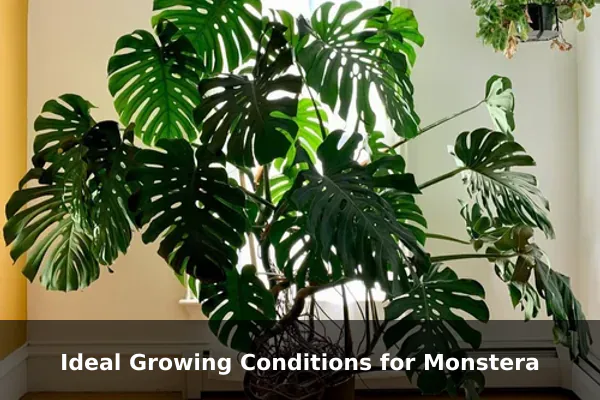
Monstera thrives in bright, indirect light. Direct sunlight can scorch its leaves, while too little light will slow growth and prevent the characteristic leaf splitting. A spot near a north- or east-facing window is ideal for consistent, gentle light throughout the day.
Watering
Water only when the top 2 inches of soil feel dry to the touch. Overwatering is the most common mistake Monstera owners make — soggy soil leads to root rot, which can quickly damage or kill the plant. Reduce watering frequency in winter when the plant’s growth naturally slows.
Humidity and Temperature
Monstera prefers humidity levels of 50% or higher and temperatures between 65–85°F (18–29°C). Misting the leaves regularly or placing the pot on a pebble tray filled with water can help maintain adequate humidity in dry indoor environments.
Soil
Use a well-draining potting mix, ideally amended with perlite or orchid bark. This combination prevents waterlogging while retaining enough moisture to support healthy root development and steady leaf growth.
How to Care for a Monstera Plant
- Fertilize monthly during spring and summer using a balanced liquid fertilizer. Skip fertilizing in winter to allow the plant to rest.
- Clean leaves regularly with a damp cloth to remove dust accumulation, which can block light absorption and reduce photosynthesis efficiency.
- Support growth with a moss pole or bamboo stake to mimic its natural climbing habit and encourage the development of larger, more fenestrated leaves.
- Repot every 1–2 years when roots begin to circle the bottom of the pot or emerge from drainage holes, moving up one pot size at a time.
- Prune yellowed or damaged leaves at the base to keep the plant healthy and tidy, and to redirect energy toward new growth.
Common Monstera Problems and How to Fix Them
Yellow Leaves
Yellow leaves are usually caused by overwatering or poor soil drainage. Check moisture levels before watering and ensure the pot has adequate drainage holes to prevent standing water around the roots.
Brown Leaf Tips
Brown or crispy leaf edges often indicate low humidity or inconsistent watering. Increase misting frequency, use a humidifier nearby, or switch to a more regular watering schedule to address this issue.
Drooping Leaves
Drooping can result from underwatering, root rot, or temperature stress. Inspect soil moisture first, then check whether the plant is positioned near drafts, air conditioning vents, or heating units that may cause rapid moisture loss.
Pests
Common pests affecting Monstera include spider mites, mealybugs, and scale insects. Treat affected plants by wiping leaves with a neem oil solution or insecticidal soap, and isolate them from other houseplants until the infestation clears.
How to Propagate Monstera Successfully
Propagating Monstera is beginner-friendly and a great way to expand your collection or share plants with friends. Stem cutting is the most reliable method:
- Choose a healthy stem with at least one node — the small, raised bump where leaves and aerial roots emerge.
- Cut just below the node using clean, sharp scissors or pruning shears.
- Place the cutting in a jar of water or directly into moist potting mix. If using water, change it every few days to prevent bacterial buildup.
- Keep the cutting in a warm location with bright indirect light.
- Roots typically appear within 3–6 weeks. Once they reach about 2 inches long, transfer the cutting into soil and care for it as you would a mature plant.
Is Monstera Safe for Pets and Children?
Monstera plants contain calcium oxalate crystals, which are toxic if ingested by both humans and animals. Symptoms of ingestion include mouth and throat irritation, excessive drooling, vomiting, and difficulty swallowing. While rarely fatal, the discomfort can be significant.
Safety tips to keep in mind:
- Place Monstera out of reach of cats, dogs, and young children — elevated shelves or hanging planters work well.
- Wear gloves when pruning or repotting to avoid skin irritation from the plant’s sap.
- If ingestion is suspected in a pet, contact your veterinarian immediately. For children, reach out to a poison control center right away.
Who Should Choose a Monstera Plant?
The Monstera is an excellent choice for a wide range of plant owners and living situations. It suits beginners because it tolerates occasional neglect and adapts to varying indoor conditions without too much fuss. Home decorators will appreciate its dramatic foliage, which adds instant character and style to any room. Apartment dwellers will find it well-suited to container living — it can be trained to grow vertically on a moss pole, making it practical even for smaller spaces.
Whether you are styling a home office, brightening up a living room corner, or simply beginning your first indoor plant collection, the Monstera delivers beauty, personality, and low-maintenance ease in one iconic package. With the right light, periodic watering, and occasional care, this tropical classic will reward you with lush, ever-expanding foliage for years to come.
