
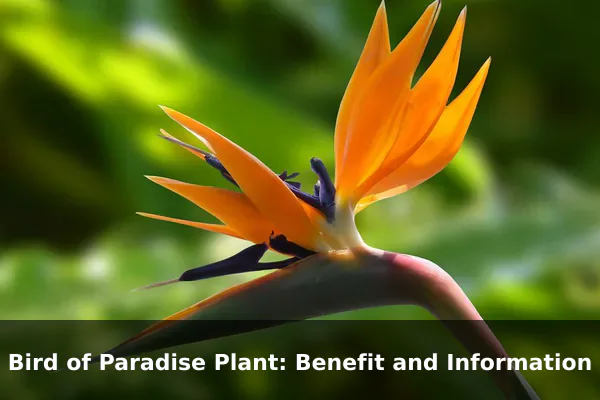
The Bird of Paradise plant is one of the most striking tropical plants you can grow, whether indoors or in the garden. With its large, paddle-shaped leaves and vivid flowers that mimic an exotic bird in flight, it has earned both its memorable name and its place as a favorite among plant enthusiasts worldwide.
Whether you are looking for a bold statement plant for your living room or a lush addition to your outdoor landscape, Bird of Paradise delivers on both beauty and practicality. This guide covers everything you need to know — from its origins and key benefits to care tips and common growing problems.
What Is the Bird of Paradise Plant?
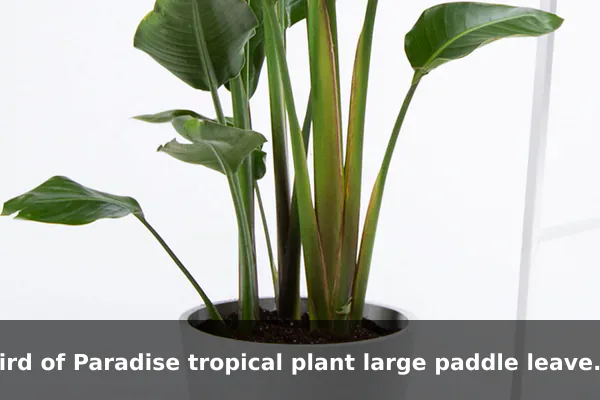
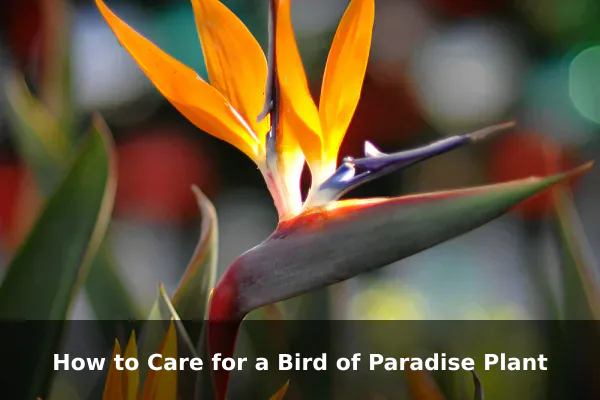
The Bird of Paradise belongs to the genus Strelitzia, native to the coastal regions of South Africa. Its most iconic species, Strelitzia reginae, produces vivid orange and deep blue flowers that closely resemble an exotic bird perched on a branch — hence the unmistakable name. The plant grows long, stiff, oval leaves on upright stems that can reach impressive heights both indoors and in the ground.
It is important to note that this plant is not the same as the Bird of Paradise shrub found in hot desert landscapes (Caesalpinia species). The Strelitzia family is the one most commonly sold as a houseplant and garden focal point, prized for its sculptural form and long-lasting blooms.
Main Benefits of Bird of Paradise Plant
Beyond its visual appeal, the Bird of Paradise plant offers several practical and lifestyle benefits for home growers and garden designers alike.
- Bold decorative impact: Its large, glossy leaves and exotic blooms make it an instant focal point in any room or outdoor space.
- Long-lasting flowers: Blooms can last for weeks, making it one of the most rewarding flowering plants to grow.
- Improved indoor atmosphere: Like many large-leafed tropical plants, Bird of Paradise helps increase indoor humidity and contributes to a fresher living environment.
- Psychological wellbeing: Research consistently shows that living plants reduce stress and improve mood. The tropical aesthetic of Bird of Paradise amplifies this effect.
- Low maintenance once established: Compared to many exotic-looking plants, Bird of Paradise is relatively forgiving and does not demand constant attention.
- Long lifespan: With proper care, a Bird of Paradise plant can thrive for decades and grow into an impressive specimen over time.
Types of Bird of Paradise You Should Know
There are five species in the Strelitzia genus, but two are most commonly grown by home gardeners:
Orange Bird of Paradise (Strelitzia reginae)
This is the most popular variety, known for its vivid orange and deep blue flowers. It typically grows 3–5 feet tall indoors and up to 6 feet outdoors. It is the best choice for containers and smaller garden spaces, and the species most likely to flower when given adequate light.
White Bird of Paradise (Strelitzia nicolai)
A much larger species that can reach 20–30 feet outdoors and 6–10 feet indoors. It produces white and light blue flowers and is often grown purely for its dramatic, banana-like foliage when kept as a houseplant. This is the variety most frequently featured in interior design as a large-scale statement plant.
Ideal Growing Conditions
Getting the growing conditions right is the key to a healthy, flowering Bird of Paradise plant. Here is what it needs to thrive:
Light
Bird of Paradise thrives in bright, direct to indirect sunlight. Indoors, place it near a south- or east-facing window. Outdoors, it prefers full sun but can tolerate partial shade. Insufficient light is the most common reason the plant fails to produce flowers.
Temperature and Humidity
This plant prefers temperatures between 65–85°F (18–30°C) and does not tolerate frost. It appreciates humidity but adapts reasonably well to average indoor humidity levels. Misting the leaves or using a pebble tray with water can help in drier environments.
Soil and Potting
Use a rich, well-draining potting mix. A blend of regular potting soil with perlite or coarse sand works well. Good drainage is essential — waterlogged soil leads to root rot quickly and is one of the leading causes of plant decline.
How to Care for a Bird of Paradise Plant
Watering
Water thoroughly when the top 2 inches of soil are dry. Reduce watering in winter when growth slows. Overwatering is a far more common problem than underwatering with this plant, so always check the soil before adding more water.
Fertilizing
Feed with a balanced liquid fertilizer every two weeks during spring and summer. Avoid fertilizing in fall and winter when the plant is resting. A fertilizer slightly higher in potassium can help encourage flowering in mature plants.
Pruning and Repotting
Remove dead or damaged leaves at the base using clean scissors. Bird of Paradise actually flowers more reliably when slightly root-bound, so repot only when roots are visibly escaping the drainage holes — typically every 2–3 years in the next pot size up.
Common Problems and How to Fix Them
- Yellow leaves: Usually caused by overwatering or poor drainage. Allow the soil to dry out more between waterings and check that the pot drains freely.
- Curling or splitting leaves: Leaf splitting is completely natural for Bird of Paradise — it is a wind adaptation in its native habitat. Excessive curling may indicate underwatering or very low humidity.
- No flowers: Plants typically bloom only after 3–5 years of maturity. Bright light and slightly root-bound conditions are the two biggest triggers for blooming.
- Root rot: Caused by waterlogged soil. Remove affected roots, treat with a fungicide if needed, and repot in fresh, well-draining mix.
- Spider mites and scale insects: Wipe leaves regularly with a damp cloth. Treat active infestations with neem oil or insecticidal soap spray.
Can Bird of Paradise Grow Indoors and Outdoors?
Yes — Bird of Paradise is highly adaptable to both environments. Indoors, the White Bird of Paradise (Strelitzia nicolai) is ideal for large, bright rooms, while the Orange variety suits sunrooms, living rooms, or spots near south-facing windows. Outdoors, it thrives in USDA hardiness zones 9–12. In cooler climates, grow it in containers that can be brought inside before the first frost. Outdoor plants in full sun will flower more freely and grow faster than indoor specimens.
Is Bird of Paradise the Right Plant for You?
Bird of Paradise is an excellent choice if you want a dramatic, long-lived plant and can provide bright light. Keep in mind that all parts of the plant are considered mildly toxic when ingested, making it less suitable for homes with curious pets or small children. If you have a sunny corner that needs a statement plant and you are willing to wait a few years for flowers, few plants deliver the visual reward that Bird of Paradise consistently provides.
In summary, the Bird of Paradise plant is a versatile, visually powerful addition to any home or garden. It rewards patient growers with tropical elegance, impressive size, and extraordinary flowers that last for weeks. With the right light, well-draining soil, and careful watering, this plant is well within reach for beginner and experienced gardeners alike — and once established, it will be one of the most admired plants you own.
