
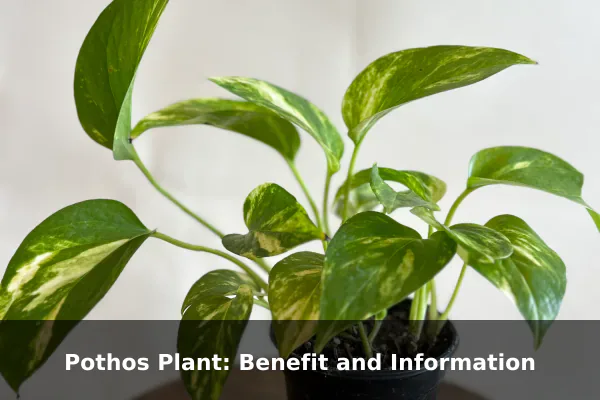
Pothos (Epipremnum aureum) is one of the most popular houseplants in the world, and for good reason. With its trailing vines and heart-shaped leaves, it brings an instant touch of green to any room without demanding much attention in return. Whether you are a first-time plant parent or simply looking for a reliable addition to your home or office, pothos rarely disappoints.
This guide covers what pothos actually is, its realistic benefits, the varieties you are most likely to find, and the basic care it needs to thrive. It also addresses safety — because pothos is toxic to pets and children, and that detail matters before you decide where to place it.
What Is a Pothos Plant?
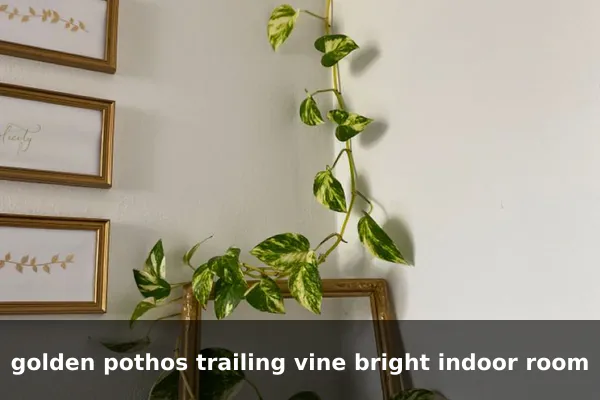
Pothos is a tropical vine native to the Solomon Islands in the South Pacific. It belongs to the family Araceae and is botanically known as Epipremnum aureum, though it was classified as Scindapsus aureus for many years. In the wild, it climbs up tree trunks using aerial roots and can grow very large. Indoors, it stays far more manageable and happily trails from shelves, hangs in baskets, or climbs a moss pole.
Its leaves are waxy, heart-shaped, and typically variegated with yellow, white, or neon green depending on the variety. The stems are long and flexible, making pothos ideal for creative display arrangements. It does not usually flower indoors, but the foliage alone is ornamental enough to make it worth growing.
Main Benefits of Keeping Pothos Indoors
Pothos is popular for several genuine reasons. Here is what it realistically offers:
- Easy to care for: It tolerates low light, irregular watering, and a range of temperatures, making it forgiving for beginners.
- Decorative value: Trailing or climbing vines add visual texture and greenery to otherwise plain spaces.
- Adaptable growth: It grows well in pots, hanging baskets, or trained up a support structure.
- Stress-relief appeal: Like many indoor plants, keeping greenery nearby is linked to reduced stress and improved mood in everyday living spaces.
- Low cost and widely available: Pothos is inexpensive to buy and even easier to propagate from cuttings, making it affordable to spread throughout your home.
A note on air purification: pothos was included in a well-known NASA study suggesting it removes VOCs from the air. However, more recent research indicates you would need dozens of plants in a small, sealed room to see meaningful air quality improvement. Treat the air-purifying benefit as a minor bonus rather than the main reason to own one.
Popular Pothos Varieties to Know
Several cultivars are widely available, each with a slightly different appearance:
- Golden Pothos: The most common variety, with green leaves splashed with golden-yellow variegation. Very hardy and widely available.
- Marble Queen: White and green marbled leaves. Slower-growing due to less chlorophyll, but visually striking.
- Neon Pothos: Bright chartreuse or lime-green leaves with no variegation. Eye-catching in low-light corners.
- Jade Pothos: Solid deep green leaves. Tolerates low light better than most variegated types.
- Manjula Pothos: Creamy white and green with wavy leaf edges. Less common but highly decorative.
Light, Water, and Soil Needs
Light
Pothos adapts to a wide range of light conditions, from bright indirect light to low-light corners. Variegated varieties like Marble Queen need more light to maintain their patterns. In very low light, growth slows and leaves may revert to plain green. Avoid direct sun, which scorches the leaves.
Watering
Water when the top inch or two of soil is dry. Pothos handles underwatering better than overwatering — soggy soil leads to root rot quickly. Water thoroughly, let it drain completely, then wait. Reduce frequency in winter when growth naturally slows.
Soil and Drainage
Use a well-draining potting mix. Standard indoor potting soil with added perlite works well. Always use a pot with drainage holes — sitting in standing water is the fastest way to kill a pothos.
How to Make Pothos Grow Well
Pothos is largely self-sufficient, but responds well to a few simple habits:
- Feed lightly: A balanced liquid fertilizer once a month during the growing season (spring through summer) is enough. Skip feeding in fall and winter.
- Prune regularly: Trim long, leggy stems to encourage bushier, fuller growth. Cut just below a node to stimulate branching.
- Repot when rootbound: Move up one pot size when roots start circling the bottom or poking through drainage holes, typically every one to two years.
- Wipe the leaves: Dust blocks light. A damp cloth on the leaves every few weeks keeps them clean and efficient.
Common Problems and How to Fix Them
Yellow Leaves
Yellow leaves are most often caused by overwatering or poor drainage. Check the soil — if it stays wet for more than a week, reduce watering frequency and improve drainage with perlite or a better-draining container.
Brown Leaf Tips
Brown tips usually signal low humidity, inconsistent watering, or fluoride buildup from tap water. Try filtered water or let tap water sit overnight before using it on your plant.
Leggy or Sparse Vines
Long stems with few leaves indicate insufficient light. Move the plant closer to a window or supplement with a small grow light during darker months.
Pests
Pothos can attract mealybugs, spider mites, and scale insects. Check under the leaves regularly and treat with insecticidal soap or diluted neem oil at the first sign of an infestation.
How to Propagate Pothos Easily
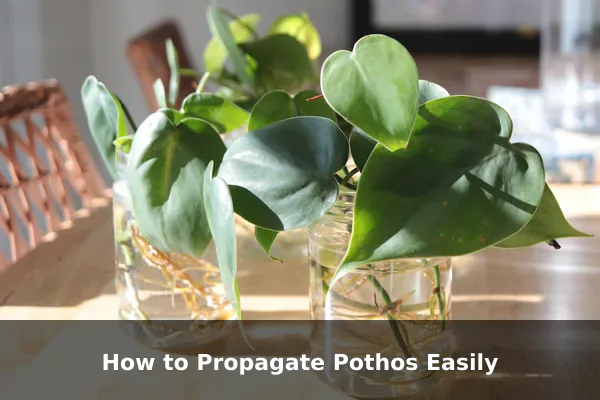
Propagating pothos is one of the easiest skills in plant care. Follow these steps:
- Cut a healthy stem just below a node — the small brown bump where roots emerge. Your cutting should include at least one node and one or two leaves.
- Remove any leaves that would sit below the waterline to prevent rot.
- Place the cutting in a jar of clean water in a bright, indirect-light spot.
- Change the water every few days to keep it fresh and bacteria-free.
- In two to four weeks, roots will reach 2–3 cm. Pot the cutting in moist soil at that point.
You can also propagate directly in moist potting soil. Keep the medium consistently moist for the first few weeks until roots establish fully.
Safety Information Before You Keep One
Pothos contains calcium oxalate crystals, which are toxic when chewed or ingested. This applies to both pets and children. Symptoms of ingestion include oral irritation, excessive drooling, vomiting, and difficulty swallowing. While rarely fatal, it can cause significant discomfort and distress.
Place pothos out of reach of cats, dogs, and young children. Hanging baskets are an effective solution — they display the trailing vines beautifully while keeping leaves away from curious pets. If ingestion is suspected, contact a veterinarian or poison control center immediately.
Is Pothos the Right Plant for You?
Pothos is an excellent choice if you want a plant that looks good without demanding much of your time. It suits beginners, busy households, offices with limited natural light, and anyone who wants reliable greenery without a complex care schedule.
It is not the best fit if you have free-roaming pets or young children who might chew on the leaves, unless you can keep it completely out of reach. In those situations, a non-toxic alternative may be the safer call.
For most people, however, pothos earns its reputation as one of the best starter houseplants available. It is reliable, simple in its needs, easy to multiply, and genuinely forgiving of the occasional missed watering. Start with one — you will likely end up with several.
