
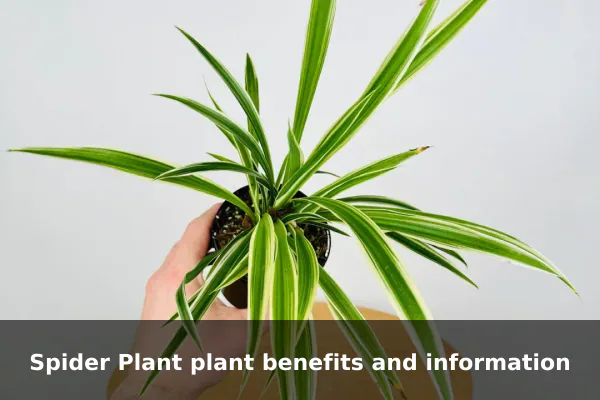
The spider plant (Chlorophytum comosum) is one of the most recognizable and beginner-friendly houseplants in the world. With its slender, arching leaves and the cascade of baby plantlets that dangle from long stems, it brings easy, low-effort greenery to shelves, desks, and hanging baskets. For anyone who wants a forgiving plant that still looks lively, it is hard to beat.
This guide takes a practical, evidence-aware look at the spider plant: what it is, why it is worth growing, how to care for it, and how to read the popular claims about its benefits. Some of those claims — especially around air cleaning — deserve an honest explanation, so you know exactly what to expect from this charming plant.
What Is a Spider Plant?
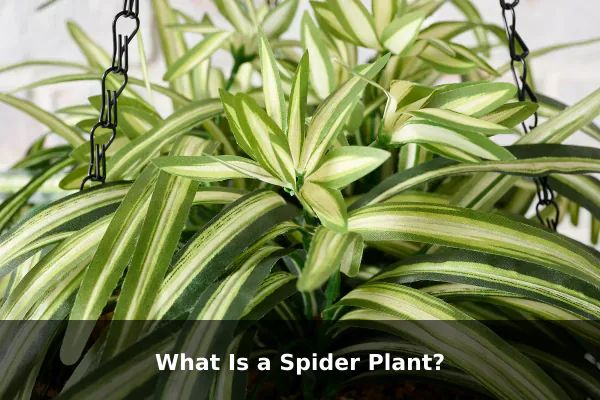
The spider plant is a clump-forming perennial known botanically as Chlorophytum comosum. According to taxonomic references such as Plants of the World Online from Kew Science, it is native to parts of southern Africa, where it grows naturally in shaded and semi-shaded conditions. University extension profiles, including the North Carolina Extension Gardener Plant Toolbox, describe it as a grass-like plant grown widely indoors for its ornamental foliage.
Its common name comes from the small plantlets, often called “spiderettes” or “spider babies,” that form on long arching stems. Leaves may be solid green or variegated with creamy white or yellow stripes, depending on the cultivar. The plant rarely grows tall but spreads outward and downward, which makes it especially attractive in hanging containers.
Key Benefits of Growing Spider Plant Indoors
The spider plant earns its popularity through a combination of good looks and genuinely easy care. Its benefits are practical rather than exaggerated, which is part of what makes it such a dependable choice.
Beginner-Friendly and Forgiving
Spider plants tolerate occasional missed waterings, a range of light levels, and average indoor conditions. This resilience makes them ideal for new plant owners or anyone with a busy schedule.
Decorative, Trailing Growth
The arching leaves and dangling plantlets create movement and texture that few compact houseplants can match. They look especially good spilling over the edge of a basket or a high shelf.
Easy and Free Propagation
Because the plant produces so many plantlets, you can multiply your collection at no cost. A single healthy spider plant can supply gifts, swaps, and new pots for years.
- Year-round indoor greenery with minimal effort.
- Suitable for shelves, baskets, desks, and small spaces.
- Generally non-toxic to cats and dogs, according to the ASPCA.
- Adaptable to many homes and light situations.
Spider Plant and Indoor Air: What the Research Really Says
You will often see spider plants described as powerful air purifiers. This idea traces back to a NASA study from the late 1980s on interior landscape plants for indoor air pollution abatement. In that research, plants were tested for their ability to remove certain pollutants from air.
It is important to understand the context. The NASA work was conducted in small, sealed test chambers, not in ordinary furnished rooms. Those conditions are very different from a typical home, where air volume, ventilation, and furniture all affect results. More recent reviews suggest that the number of plants needed to meaningfully clean a whole room is impractically large.
So the honest takeaway is this: a spider plant is a lovely addition to your living space and may make a small contribution, but it should not be treated as a replacement for proper ventilation or air filtration. Enjoy it as greenery first, and consider any air benefit a modest bonus.
Light, Water, Soil, and Temperature Needs
Spider plant care is straightforward once you understand its basic preferences. The following guidance reflects common extension-style recommendations.
Light
Bright, indirect light produces the healthiest growth and the strongest variegation. The plant tolerates lower light, but growth slows and colors fade. Avoid harsh, direct midday sun, which can scorch the leaves.
Water
Water thoroughly when the top inch or two of soil feels dry, then let excess drain away. Spider plants dislike sitting in soggy soil. They can be sensitive to fluoride and salts in tap water, which sometimes contributes to brown tips.
Soil and Potting
Use a well-drained, general-purpose potting mix in a container with drainage holes. The fleshy roots store water and can fill a pot quickly, so check root crowding once or twice a year.
Temperature
Normal indoor temperatures suit the plant well. Protect it from cold drafts, frost, and hot air vents, all of which can stress the foliage.
Common Problems and Simple Fixes
Most spider plant troubles are easy to diagnose and correct.
Brown Leaf Tips
This is the most common complaint. It can result from dry air, inconsistent watering, fertilizer buildup, or minerals in tap water. Trim the brown tips for appearance and adjust your watering routine.
Pale or Slow Growth
Weak color often signals too little light. Move the plant somewhere brighter, but still out of direct sun.
Wilting or Yellowing
Yellowing leaves and a soggy base usually point to overwatering, while limp leaves with bone-dry soil indicate underwatering. Check the soil before deciding which problem you have.
Root Crowding and Pests
When roots push above the soil or out of drainage holes, repot into a slightly larger container. Watch for sap-sucking pests such as spider mites or scale, and treat them early with gentle methods.
Propagation from Spider Plant Babies
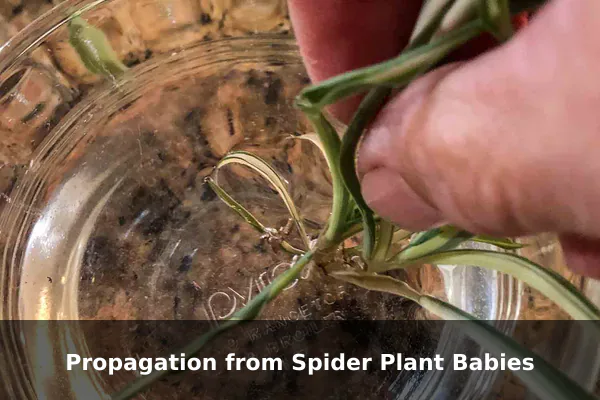
Propagation is one of the most rewarding parts of owning this plant. Mature, well-lit spider plants send out long stems tipped with plantlets that already have tiny leaves and root buds.
- Choose a plantlet that has small root nubs on its underside.
- Snip it from the runner with clean scissors.
- Place the base in a shallow glass of water, or press it directly into moist potting mix.
- Keep it warm and in bright, indirect light.
- Once roots reach an inch or two, pot water-rooted babies into soil.
You can also pin a plantlet onto soil while it is still attached to the parent, then cut the connection after it roots.
Is Spider Plant Safe for Pets and People?
Pet safety is a frequent question, and here the news is reassuring. The ASPCA lists Chlorophytum comosum as non-toxic to both dogs and cats, which makes it a popular choice for animal-friendly homes.
Even so, “non-toxic” does not mean “meant to be eaten.” Poison center resources generally advise keeping houseplants away from curious pets and small children, since chewing on any plant can still cause mild stomach upset or choking. Place trailing plants where dangling plantlets do not invite nibbling, and contact a veterinarian or poison center if a large amount is consumed.
Best Places to Display Spider Plant at Home
Because of its trailing habit, the spider plant looks best where its leaves and plantlets can hang freely.
- Hanging baskets near a bright window, so cascading plantlets are on full display.
- High shelves and bookcases, where the foliage softens hard edges.
- Bright bathrooms and kitchens, which often offer steady humidity.
- Desks and side tables with indirect light, for compact greenery.
Wherever you place it, avoid cold drafts and hot vents, and keep low-hanging stems out of easy reach of chewing pets.
Quick Care Summary
Use this recap as a fast reference for keeping your spider plant healthy:
- Light: bright, indirect light.
- Water: when the top inch or two of soil is dry.
- Soil: well-drained mix in a pot with drainage holes.
- Feeding: light, occasional feeding during active growth.
- Propagation: root plantlets in water or soil.
- Safety: non-toxic to cats and dogs per the ASPCA.
- Main benefit: easy, decorative, fast-multiplying greenery.
Conclusion
The spider plant remains a favorite for good reason: it is attractive, adaptable, and remarkably forgiving. It rewards beginners with steady growth, supplies endless plantlets for propagation, and fits comfortably into pet-friendly homes. While its air-cleaning reputation is best viewed with realistic expectations, its value as low-maintenance, lively indoor greenery is genuine. Give it bright indirect light, sensible watering, and a well-drained pot, and this dependable houseplant will thrive for many years.
Official references
- Plants of the World Online, Kew Science – Chlorophytum comosum – Authoritative taxonomy, accepted scientific name, synonyms, and native/naturalized distribution for spider plant.
- North Carolina Extension Gardener Plant Toolbox – Chlorophytum comosum – University extension profile covering identification, growing conditions, plant traits, and household cultivation notes.
- ASPCA Animal Poison Control – Spider Plant – Primary reference for pet safety; lists Chlorophytum comosum as non-toxic to dogs and cats.
- Poison Control – Plant & Mushroom Safety: Toxic and Non-Toxic Plants – Poison center reference useful for human-safety framing and avoiding overclaims about non-toxic plants.
- NASA Technical Reports Server – A Study of Interior Landscape Plants for Indoor Air Pollution Abatement – Primary source behind many spider plant air-cleaning claims; useful for accurately describing the original chamber-study context.
