
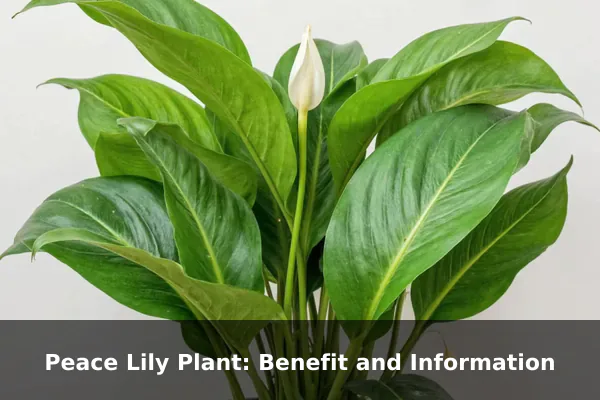
The peace lily plant is one of the most recognizable houseplants in the world, instantly known by its glossy dark green leaves and elegant white blooms. Whether placed on a desk, in a living room corner, or beside a window, it brings a calm, refined look to any indoor space. Its graceful appearance and forgiving nature have made it a go-to choice for plant lovers of all experience levels.
This guide covers everything you need to know about the peace lily — from its key benefits and distinctive characteristics to essential care tips and important safety notes. If you are thinking about adding one to your home or office, this article will help you make an informed decision.
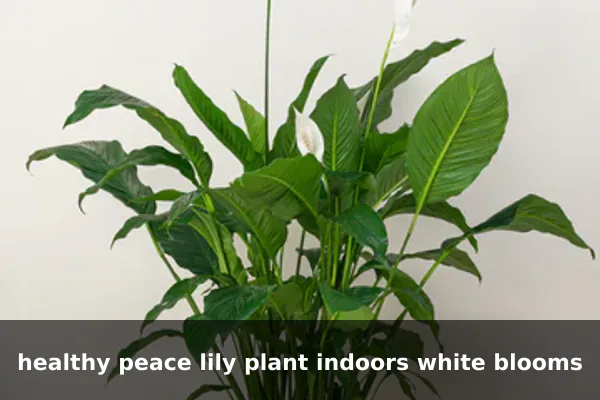
What Is a Peace Lily Plant?
The peace lily (Spathiphyllum) is a tropical flowering plant native to Central and South America, as well as parts of Southeast Asia. It belongs to the Araceae family and is well adapted to the low-light, humid conditions found inside most homes and offices. Unlike many flowering plants, it does not need direct sunlight to thrive, which sets it apart as an exceptionally practical indoor specimen.
The common name “peace lily” comes from the white spathe — a modified leaf that wraps around the flower spike — which resembles a white flag of peace. Despite being called a lily, it is not a true lily. This distinction matters especially for pet owners, as true lilies are far more toxic to cats than the peace lily is.
Main Benefits of Growing a Peace Lily
Peace lilies offer a range of practical and aesthetic benefits that explain their enduring popularity as an indoor plant.
Enhances Indoor Aesthetics
The combination of deep green foliage and white spathes gives the peace lily a clean, sophisticated look. It fits well in minimalist interiors, home offices, and living rooms where a touch of nature is welcome without visual clutter. The plant remains attractive even when not in bloom, thanks to its lush leaf structure.
Thrives in Low-Light Conditions
One of its biggest practical advantages is the ability to grow in low-light environments. Many indoor spaces lack strong natural light, and most flowering plants struggle in such conditions. The peace lily adapts well, making it suitable for rooms with north-facing windows or interior office spaces.
Low Maintenance Appeal
Peace lilies are forgiving plants. They visibly droop when they need water, acting as their own reminder system. They do not need frequent repotting, heavy feeding, or complex pruning. For busy individuals or beginners, this predictability is a major advantage.
A Mood-Boosting Presence
Research in environmental psychology consistently shows that indoor plants reduce perceived stress and improve focus. The peace lily, with its calm color palette and steady growth, is an ideal plant for creating a more comfortable, focused atmosphere in work or study spaces.
Key Information About Peace Lily Characteristics
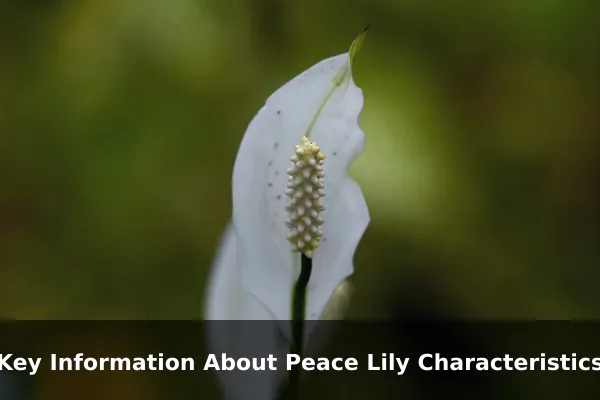
Understanding what makes a peace lily distinct helps you identify healthy growth and set the right expectations.
Appearance and Size
- Leaves: Broad, lance-shaped, glossy, and deep green. They grow in an arching pattern from the base.
- Flowers: The white spathe surrounds a pale yellow or white spadix (the true flower spike). Blooms typically appear in spring but can reappear in autumn with the right care.
- Size: Most indoor varieties reach between 30 cm and 60 cm in height. Some larger cultivars can grow up to 120 cm.
Common Varieties
- Spathiphyllum wallisii: The most common compact variety, ideal for desks and small spaces.
- Sensation: A large variety with deeply ribbed leaves, suited for floor placement.
- Domino: Features variegated green and white leaves for added decorative interest.
How to Care for a Peace Lily Indoors
Peace lilies are straightforward to care for when you understand their basic preferences. Here are the key care points:
Light
Place the plant in bright, indirect light for the best growth and blooming. It will survive in low light but may produce fewer flowers. Keep it away from direct afternoon sun, which can scorch the leaves.
Watering
Water when the top inch of soil feels dry. The plant will droop slightly before it becomes critically dry, which is a useful signal. Avoid letting it sit in standing water. Overwatering is the most common mistake and leads to root rot.
Humidity and Temperature
Peace lilies prefer temperatures between 18°C and 27°C (65°F–80°F) and moderate to high humidity. In dry indoor environments, occasional misting or a pebble tray with water beneath the pot helps maintain the right moisture level around the leaves.
Soil and Fertilizing
Use a well-draining, peat-based potting mix. Fertilize once a month during spring and summer with a balanced liquid fertilizer. Reduce feeding in autumn and winter when growth slows.
Common Peace Lily Problems and Simple Fixes
Even easy-care plants have common issues. Here is how to identify and fix the most frequent peace lily problems:
- Yellow leaves: Usually caused by overwatering or direct sun exposure. Check drainage and move the plant to a shadier spot.
- Brown leaf tips: Often a sign of low humidity or fluoride in tap water. Use filtered or rain water and increase ambient moisture.
- Drooping despite moist soil: This can indicate root rot from chronic overwatering. Remove the plant, trim black or mushy roots, and repot in fresh soil.
- No blooms: Insufficient light is the main cause. Move the plant to a brighter location with indirect light and feed with a phosphorus-rich fertilizer in spring.
Is Peace Lily Safe for Homes With Pets and Children?
This is an important consideration for many households. Peace lilies contain calcium oxalate crystals, which are present in all parts of the plant. If chewed or ingested, these crystals cause irritation to the mouth, throat, and digestive tract in both humans and animals.
For cats and dogs, symptoms may include drooling, pawing at the mouth, vomiting, and reduced appetite. The effects are typically mild and temporary, but they are uncomfortable. The peace lily is classified as mildly to moderately toxic — not lethal in small amounts, but unpleasant enough to warrant caution.
Practical steps for safe placement:
- Place the plant on a high shelf or in a hanging planter out of reach of pets and young children.
- Wash hands after handling the plant, especially before touching eyes or mouth.
- If a pet ingests any part of the plant, contact a veterinarian promptly.
Who Should Choose a Peace Lily Plant?
The peace lily is an excellent choice for a wide range of gardeners and living situations:
- Beginners: Its visible drooping when thirsty makes it nearly foolproof to water correctly.
- Apartment dwellers: Compact varieties fit well on windowsills, shelves, and countertops.
- Office workers: It tolerates artificial light and improves the atmosphere of indoor workspaces.
- Low-light homes: It is one of the few flowering plants that genuinely performs in dim indoor conditions.
If you have very young children or pets that chew on plants, you will need to plan its placement carefully or choose a different species. For everyone else, the peace lily offers a rewarding, low-effort indoor gardening experience.
Conclusion
The peace lily earns its popularity through a rare combination of beauty, resilience, and practicality. It brings white blooms and lush foliage into spaces that many other flowering plants could not tolerate. With basic attention to watering, light, and humidity, it rewards its owner with steady growth and seasonal blooms year after year.
Whether you are setting up your first indoor garden or looking for a dependable plant to fill a dim corner, the peace lily is a reliable, elegant choice that rarely disappoints.
