
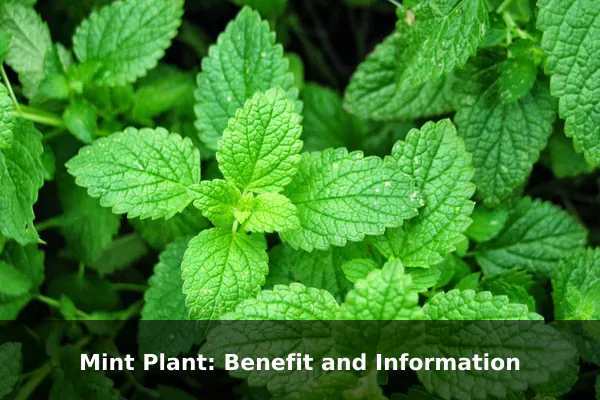
Few herbs feel as familiar as mint. Its cool, sweet aroma greets you in toothpaste, chewing gum, summer drinks, and a quick cup of tea, yet the living plant behind that scent is just as rewarding to grow at home. Mint is a hardy, fast-spreading herb that thrives in pots and garden beds alike, which makes it a favorite for beginners and seasoned gardeners.
This guide explains what the mint plant really is, the most common types you can grow, and the practical benefits it offers in the kitchen and garden. It also looks honestly at what research says, because the leafy herb you cook with and the concentrated peppermint oil sold as a supplement are not the same thing.
The goal throughout is balance. Mint has genuine everyday value and some researched herbal uses, but its benefits depend on the form used, and a few groups of people should be cautious. Treat this as practical, evidence-aware information rather than medical advice.
What Is the Mint Plant?
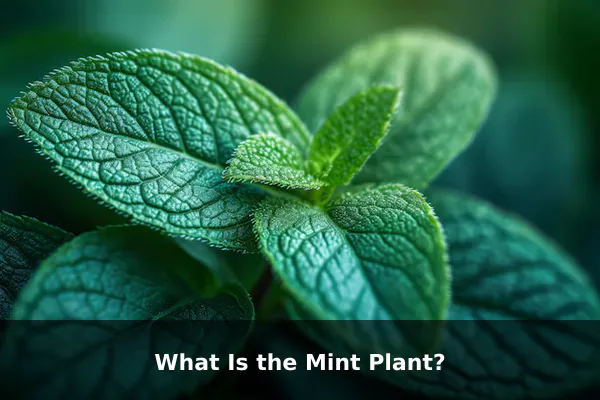
Mint refers to aromatic herbs in the genus Mentha, part of the larger mint family (Lamiaceae). One of the most widely grown kinds, peppermint, is recognized botanically as Mentha x piperita, a natural hybrid documented by botanical authorities such as Plants of the World Online from Kew Science.
You can identify most mints by a few shared traits:
- Square stems that feel distinctly four-sided when rolled between your fingers.
- Opposite leaves arranged in pairs, often slightly toothed and textured.
- A strong, cooling fragrance released the moment a leaf is crushed.
- Vigorous spreading roots (rhizomes) that let mint colonize space quickly.
That spreading habit is mint’s signature. It is part of why the plant is so generous and so easy to grow, but also why many gardeners choose to keep it contained.
Common Types of Mint Used at Home
Dozens of mint varieties exist, but a handful dominate home gardens and kitchens:
- Peppermint — bold, sharp, and intensely cooling; popular for teas and desserts.
- Spearmint — milder and sweeter; the classic choice for savory cooking, salads, and drinks.
- Apple mint — soft, slightly fuzzy leaves with a gentle fruity note, pleasant in teas and as a garnish.
- Chocolate mint — a peppermint type with a subtle cocoa-like aroma, prized for desserts.
If you are unsure which to start with, spearmint is forgiving and broadly useful, while peppermint delivers the strongest cooling punch.
Main Benefits and Everyday Uses of Mint
The clearest benefits of growing mint are practical and immediate. They do not depend on strong medical claims, which makes them the most reliable reasons to keep a pot on your windowsill.
In the Kitchen
- Fresh flavoring for salads, sauces, marinades, and grilled dishes.
- A natural lift for water, lemonade, iced tea, and other cold drinks.
- A simple homemade herbal tea brewed from a few fresh or dried leaves.
- A bright garnish that adds aroma to desserts and fruit.
In the Garden and Home
- A pleasant fragrance near patios, doorways, and seating areas.
- A fast, satisfying crop for new gardeners who want quick results.
- Small flowers that can attract pollinating insects when mint is allowed to bloom.
Traditionally, mint tea has also been enjoyed for general digestive comfort after meals. This is a long-standing customary use, and it is best seen as gentle everyday enjoyment rather than a proven treatment.
What Research Says About Peppermint Leaf and Oil
It is important to separate the herb from concentrated extracts. According to the U.S. National Center for Complementary and Integrative Health (NCCIH), peppermint oil has been studied for certain digestive uses, and some evidence suggests it may help with symptoms of irritable bowel syndrome. NCCIH still notes that research is limited and that results are not the same for every condition or product.
Peppermint leaf is treated somewhat differently. The European Medicines Agency (EMA) recognizes peppermint leaf preparations as a traditional herbal medicine for certain mild complaints, a status based on long-standing use rather than large modern clinical trials.
The honest summary is this: mint is widely used and generally well regarded, but it is not a cure for disease. Cautious, realistic expectations serve you far better than dramatic health claims, and any therapeutic use is best discussed with a qualified healthcare professional.
Nutrition and Plant Compounds in Mint
Mint leaves are prized mostly for aroma and flavor rather than for being a major source of nutrition. Their distinctive cooling character comes from natural aromatic compounds, including menthol-related constituents that are especially concentrated in peppermint.
Eaten in food, fresh mint leaves contribute only small amounts of micronutrients, simply because typical serving sizes are modest — a few leaves in a salad or a sprig in a drink. Enjoy mint for the way it brightens meals and beverages, not as a significant dietary supplement.
Safety, Side Effects, and Who Should Be Careful
Culinary amounts of mint leaves in food and tea are widely considered safe for most healthy adults. Concentrated peppermint oil is a different matter and deserves more care.
Drawing on guidance from NCCIH, the EMA, and the LactMed lactation database, keep these cautions in mind:
- Concentrated oil is potent. Peppermint oil can cause side effects such as heartburn, and it may interact with certain medications.
- Reflux and gallbladder conditions. Peppermint may relax the muscle at the top of the stomach, so people with frequent reflux, hiatal hernia, or gallbladder problems should be cautious.
- Infants and young children. Menthol-containing products should not be applied near the face or chest of babies and small children.
- Pregnancy and breastfeeding. Evidence here is limited; concentrated preparations are best avoided unless a healthcare provider advises otherwise.
- Existing medication or conditions. If you take prescription drugs or have a chronic condition, ask a pharmacist or doctor before using peppermint oil or supplements.
The EMA has also issued safety guidance about constituents such as pulegone and menthofuran found in some mint oils, which is another reason concentrated products should be used only as directed.
How to Grow, Harvest, and Care for Mint
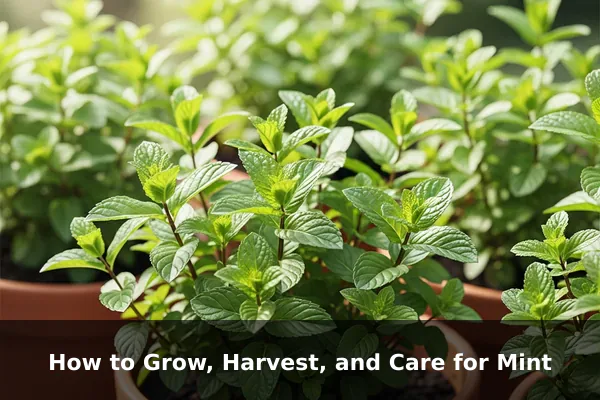
Mint is one of the easiest herbs to grow, and a little planning keeps it healthy and well behaved.
Growing Mint Successfully
- Containers first. Grow mint in a pot to control its spreading roots, or sink a bottomless container into garden soil.
- Light. Mint enjoys partial shade to full sun; in hot climates, some afternoon shade prevents stress.
- Soil and water. Use rich, well-draining soil and keep it consistently moist but never waterlogged.
- Feeding. A light, occasional feeding supports lush leaves, while heavy fertilizing can weaken flavor.
Harvesting and Storing
Harvest mint often, ideally in the morning. Pinch stems just above a leaf pair to encourage bushier growth, and pick before the plant flowers for the best flavor. To store your harvest:
- Refrigerate fresh stems in a glass of water or wrapped in a damp paper towel.
- Dry small bundles in a warm, airy spot away from direct sun.
- Freeze chopped leaves in ice cube trays with a little water for easy use later.
Common Problems and Fixes
- Leggy, sparse stems: harvest and pinch more frequently to promote new growth.
- Wilting: check soil moisture, as mint dislikes drying out completely.
- Crowded roots: divide and repot every year or two to refresh the plant.
- Pests or fungal spots: improve airflow, avoid overhead watering, and remove affected leaves promptly.
Key Takeaways for Mint Plant Owners
Mint earns its place in almost any garden. It is forgiving to grow, generous with its harvest, and endlessly useful in the kitchen for teas, drinks, and fresh dishes. Its everyday benefits — flavor, fragrance, and a quick, rewarding crop — are reason enough to keep it close.
When it comes to health, stay measured. Peppermint oil has been studied for specific digestive uses and peppermint leaf has traditional herbal recognition, but mint is not a cure-all. Concentrated preparations should be used carefully, and groups such as young children, pregnant or breastfeeding people, and those with reflux or gallbladder issues should seek professional advice. Grow it freely, enjoy it often, and treat the stronger preparations with the respect they deserve.
Official references
- NCCIH – Peppermint Oil: Usefulness and Safety – NIH fact sheet summarizing evidence for peppermint oil benefits, side effects, interactions, and safety cautions.
- European Medicines Agency – Menthae piperitae folium – Official EU herbal medicine assessment page for peppermint leaf, including therapeutic use and precautions.
- European Medicines Agency – Pulegone and menthofuran safety guideline – Regulatory safety guidance for herbal medicinal products containing peppermint, mint oil, or pennyroyal oil constituents.
- NCBI Bookshelf LactMed – Peppermint – Evidence-based lactation safety reference for peppermint exposure and possible breastfeeding-related cautions.
- Plants of the World Online, Kew Science – Mentha x piperita – Authoritative botanical taxonomy, distribution, synonym, and plant-use context for peppermint.
