
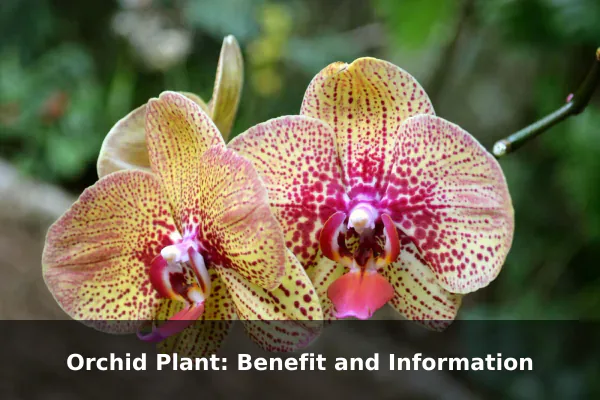
Orchids are among the most admired plants in the world, celebrated for their elegant, long-lasting flowers and remarkable variety. Whether placed on a windowsill, a desk, or a living room table, an orchid instantly elevates any space with its natural beauty. Beyond appearances, orchids offer a range of benefits that make them a rewarding choice for plant lovers at every experience level.
This guide covers everything you need to know about orchid plants — from their key benefits and popular types to essential growing information and practical care tips. Whether you are considering your first orchid or looking to improve your existing collection, this article will help you get started with confidence.
What Is an Orchid Plant?
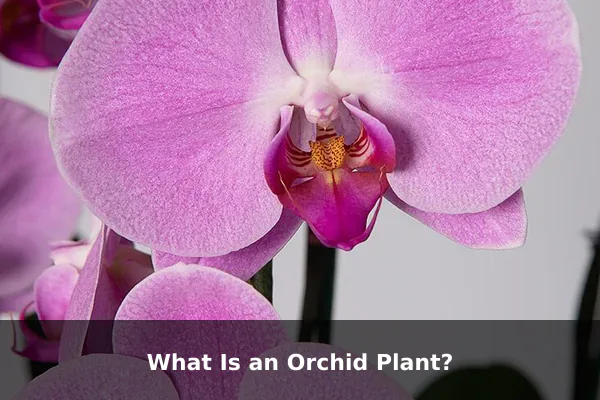
Orchids belong to the family Orchidaceae, one of the largest flowering plant families in the world, with over 25,000 species and more than 100,000 hybrids. They grow naturally on every continent except Antarctica, thriving in tropical rainforests, grasslands, and even alpine regions.
What sets orchids apart from many other houseplants is their unique flower structure. Each bloom has a distinctive symmetry, with specialized petals and a central lip that often serves as a landing platform for pollinators. Their flowers can last for weeks or even months, making them exceptional value as decorative plants.
- Family: Orchidaceae
- Known species: Over 25,000 natural species
- Flower lifespan: 6–12 weeks per bloom cycle, depending on variety
- Growth habit: Epiphytic (tree-dwelling), terrestrial, or lithophytic
Main Benefits of Orchid Plants
Orchids are more than a pretty face. They provide a combination of aesthetic, emotional, and practical benefits that few other plants can match.
Visual Beauty and Decoration
Orchids produce some of the most striking flowers in the plant kingdom. Their blooms come in nearly every color — white, pink, purple, yellow, orange, and multi-toned patterns — making them versatile decorative pieces for any interior style. A single plant in bloom can serve as a centerpiece without any additional decor.
Mood and Emotional Well-being
Research in environmental psychology suggests that flowering plants positively influence mood, reduce stress, and promote a sense of calm. The long-lasting blooms of orchids extend these benefits over a prolonged period, unlike cut flowers that fade within days.
Gifting and Symbolism
Orchids carry rich cultural meaning across many traditions. They are widely associated with love, luxury, refinement, and strength. This symbolism makes them a meaningful gift for birthdays, housewarmings, and celebrations. A potted orchid is both practical and thoughtful — it continues to grow and rebloom with care, long after the occasion has passed.
Space Efficiency
Most popular orchid varieties, especially Phalaenopsis, are compact plants that fit comfortably on shelves, windowsills, and small tables. They offer high visual impact without occupying significant space, making them ideal for apartments and smaller homes.
Popular Types of Orchids for Beginners
With thousands of orchid species available, starting with the right variety makes a significant difference. These are the most beginner-friendly types:
Phalaenopsis (Moth Orchid)
The most widely sold orchid worldwide, Phalaenopsis is the top choice for beginners. It tolerates typical indoor conditions well, produces arching sprays of long-lasting flowers, and can rebloom with minimal effort. This is the orchid most commonly found in garden centers and supermarkets.
Dendrobium
Dendrobiums are adaptable and come in a broad range of flower colors and forms. They prefer more light than Phalaenopsis but reward growers with vibrant clusters of blooms. Some varieties are deciduous and need a rest period to trigger flowering.
Cattleya
Known as the queen of orchids, Cattleya produces large, fragrant flowers often used in corsages. They require brighter light and slightly more attentive care but offer impressive, showy blooms in return.
Oncidium (Dancing Lady Orchid)
Oncidiums are known for their sprays of small, cheerful flowers that resemble dancing figures. They are hardy, grow well in a range of conditions, and are a great next step once you are comfortable with Phalaenopsis.
Essential Growing Information
Understanding orchid growing requirements is the foundation of successful care. Despite their exotic reputation, most popular orchids have straightforward needs.
- Light: Bright, indirect light is ideal for most varieties. Avoid direct afternoon sun, which can scorch leaves. East- or west-facing windowsills work well.
- Temperature: Most orchids prefer 18–29°C (65–85°F) during the day with a slight temperature drop at night, which helps trigger blooming.
- Humidity: Aim for 40–70% relative humidity. A pebble tray filled with water placed beneath the pot — without roots touching the water — can raise local humidity.
- Watering: Water thoroughly once every 7–10 days using a pot with drainage holes. Allow the potting medium to dry slightly between waterings. Never let roots sit in standing water.
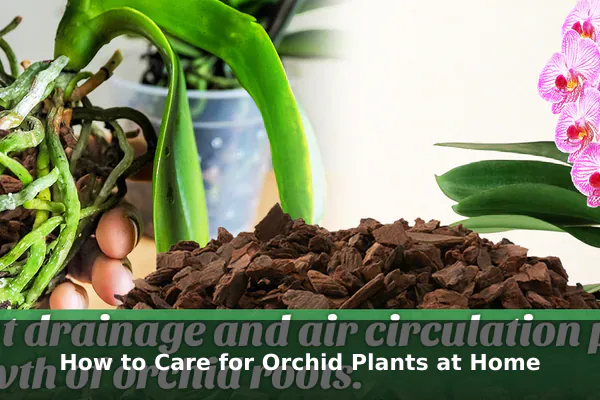
- Potting medium: Orchids are not grown in regular soil. Use a bark-based orchid mix, which provides the drainage and airflow their roots require.
- Airflow: Good air circulation prevents fungal issues and mimics the natural breezy conditions where many epiphytic orchids grow.
How to Care for Orchid Plants at Home
Watering and Feeding
Water orchids at the base, avoiding the crown and leaves to prevent rot. During the growing season (spring and summer), feed with a diluted balanced orchid fertilizer every two weeks. Reduce feeding during autumn and winter when growth naturally slows.
Repotting
Repot orchids every one to two years or when roots begin escaping the pot in large numbers. Choose a container only slightly larger than the current one. Trim any dead or rotting roots with sterilized scissors before repotting. Spring is the best time to complete this task.
Encouraging Reblooming
After flowers drop, cut the spent spike just above a visible node — the small bump on the stem. Keep the plant in bright light, maintain a regular watering and feeding schedule, and expose it to a 5–8°C temperature drop at night for several weeks. This temperature difference signals the plant to produce a new flower spike.
Common Orchid Problems and How to Fix Them
Yellow Leaves
Occasional yellowing of older, lower leaves is natural. Widespread yellowing may indicate overwatering, too much direct sun, or nutrient deficiency. Check the roots — healthy roots are firm and green or white; mushy brown roots signal rot and need attention immediately.
Root Rot
Root rot is the most common orchid problem and is almost always caused by overwatering or poor drainage. Remove affected roots with sterilized scissors, allow the plant to dry slightly, and repot in fresh bark mix with better-draining conditions.
No Blooms
If your orchid produces healthy leaves but no flowers, it likely needs more light or a cooler nighttime temperature to trigger a new spike. Move it closer to a bright window and ensure a temperature drop of at least 5°C at night for several weeks.
Common Pests
Scale, mealybugs, and spider mites can affect orchids. Inspect plants regularly, especially the undersides of leaves. Treat small infestations with isopropyl alcohol on a cotton swab, or use insecticidal soap spray for larger ones. Isolate any affected plant immediately to protect others nearby.
Are Orchid Plants Good for Indoor Spaces?
Orchids are an excellent choice for indoor environments. They are compact, produce long-lasting flowers that require no replacement, and continue to rebloom year after year with consistent care. Their moderate requirements make them accessible to a wide range of plant owners, from complete beginners to experienced growers. Few plants deliver such a high level of visual reward relative to the space and care they require.
Key Takeaways Before You Buy an Orchid
- Choose a Phalaenopsis as your first orchid — it is the most forgiving and widely available variety.
- Look for a plant with firm green or white roots and healthy, unblemished leaves.
- Buy a plant in bud rather than full bloom to enjoy the flowers for the longest possible time.
- Ensure you have a bright, indirect light location ready before bringing the plant home.
- Use a bark-based potting mix and a pot with drainage holes — never regular garden soil.
- Water on a schedule: once every 7–10 days is a reliable starting point for most homes.
Orchid plants combine exceptional beauty with manageable care, making them one of the most rewarding plants you can grow at home. With the right light, consistent watering, and a little patience, an orchid will reward you with stunning blooms season after season. Whether you are drawn to their elegance, their cultural symbolism, or simply their color, an orchid is a living decoration that genuinely earns its place in any home.
