
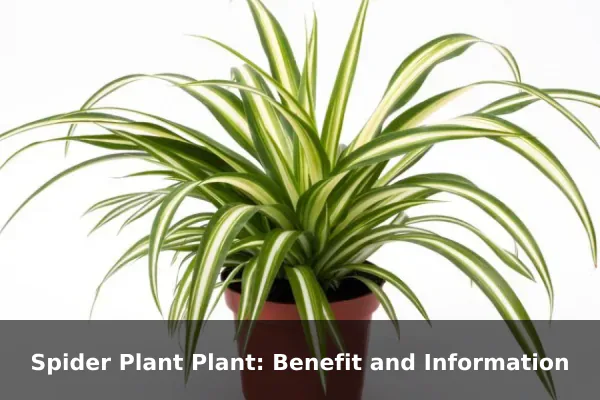
Spider plants (Chlorophytum comosum) are among the most beloved houseplants in the world. Known for their graceful arching leaves and cheerful cascading baby plantlets, they have earned a permanent spot on windowsills, shelves, and hanging baskets in homes and offices everywhere.
Whether you are a first-time plant owner or an experienced gardener looking for a reliable addition to your collection, the spider plant delivers. It is adaptable, forgiving, and genuinely attractive — a combination that very few houseplants can match.
What Is a Spider Plant?
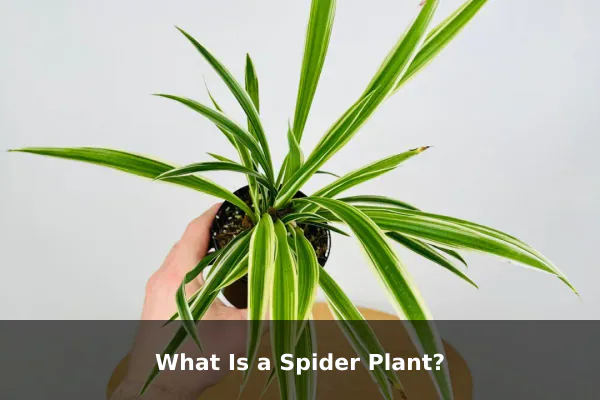
The spider plant, scientifically known as Chlorophytum comosum, is a flowering perennial native to tropical and southern Africa. It belongs to the family Asparagaceae and has been cultivated as a houseplant for centuries. Its common name comes from the small plantlets it produces on long, arching stems — they dangle like spiders suspended on a web.
The plant grows in a rosette pattern with long, slender leaves that arch gracefully outward. It is one of the most widely grown and easily recognizable houseplants in the world, found in homes, schools, and offices across every continent.
Key Identifiers
- Long, narrow leaves that are solid green or variegated with white or yellow stripes
- Produces small white flowers on long, arching runners
- Baby plantlets (spiderettes) dangle from the mother plant on thin stolons
- Compact rosette growth form with an arching, fountain-like silhouette
Main Benefits of Spider Plant
Spider plants are far more than attractive foliage. They offer a range of practical and aesthetic benefits that make them a worthwhile addition to any indoor space.
Extremely Easy to Grow
Spider plants are widely regarded as one of the most forgiving houseplants available. They tolerate irregular watering, variable light conditions, and occasional neglect without dramatically declining — making them the ideal starting point for beginners or busy households.
Improves Indoor Atmosphere
Spider plants are commonly noted for their ability to contribute to fresher indoor air. They absorb carbon dioxide and release oxygen, adding a sense of natural vitality to enclosed rooms. Keeping a few in living and working spaces is a simple, low-effort way to bring more greenery into daily life.
Decorative and Versatile
With their cascading form and variegated foliage, spider plants add natural beauty to any room. They perform equally well in hanging baskets, on shelves, as desk companions, or trailing from elevated plant stands. Their soft, fountain-like shape complements both modern and traditional interiors.
Propagation Is Free and Effortless
Once a spider plant matures, it produces abundant spiderettes that can be rooted into new plants at zero cost. This makes it one of the most generous plants you can own — ideal for expanding your collection or sharing with friends and family.
Spider Plant Appearance and Growth Habit
Spider plants typically grow 30–60 cm wide and tall. Their leaves are long and ribbon-like, reaching up to 45 cm in length. The most popular variety features green leaves with a central white or cream stripe, though solid green and reverse-variegated forms also exist.
As the plant matures, it sends out long runners — called stolons — from which miniature plantlets develop. These spiderettes are fully formed copies of the parent plant and root readily in both soil and water.
Popular Varieties
- Chlorophytum comosum ‘Vittatum’ — green leaves with a bold central white stripe; the classic and most widely sold form
- Chlorophytum comosum ‘Variegatum’ — white or cream leaf edges surrounding a green center
- Chlorophytum comosum ‘Bonnie’ — compact, curly leaves with a central stripe; great for small spaces
How to Care for a Spider Plant
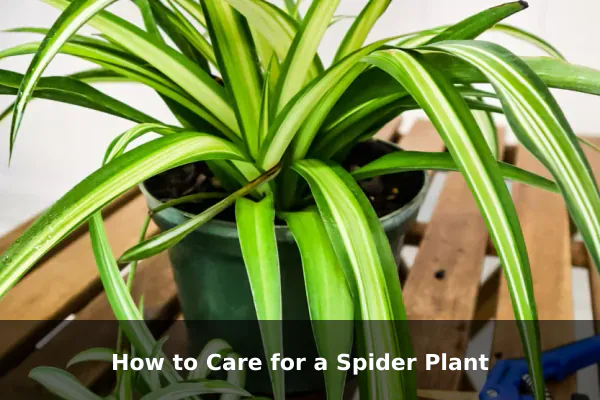
Spider plants are undemanding, but understanding their core preferences helps them grow vigorously and look their best year-round.
Light
Spider plants thrive in bright, indirect light. They adapt to lower light but will grow more slowly and show less vivid leaf coloration. Avoid prolonged direct harsh sunlight, which can scorch and bleach the foliage.
Watering
Water moderately, allowing the top inch of soil to dry out between sessions. Spider plants are sensitive to fluoride found in standard tap water — using filtered or rainwater helps prevent the characteristic brown leaf tips many growers notice.
Soil and Potting
A well-draining, general-purpose potting mix works well. Adding perlite or coarse sand improves drainage and significantly reduces the risk of root rot. Always choose pots with drainage holes.
Temperature and Humidity
Spider plants are comfortable in temperatures between 13–27°C (55–80°F). They adapt well to average household humidity levels. Protect them from cold drafts, air-conditioning vents blowing directly on the foliage, and frost.
Fertilizer
Feed with a balanced liquid fertilizer once a month during the growing season (spring through summer). Avoid over-fertilizing — excess salts in the soil are a leading cause of brown leaf tips.
Common Problems and How to Fix Them
Brown Leaf Tips
The most frequently reported issue. Common causes include fluoride in tap water, low humidity, or excessive fertilizer. Switch to filtered water, reduce feed strength, and consider light misting during dry seasons.
Yellow Leaves
Usually a sign of overwatering or inadequate drainage. Check the root system for signs of rot, ensure the pot drains freely, and reduce watering frequency.
Root Rot
Caused by consistently waterlogged soil. Remove the affected plant, trim damaged roots, repot in fresh, well-draining mix, and allow the soil to dry more thoroughly between waterings going forward.
Pest Problems
Spider plants can occasionally attract aphids, spider mites, or whiteflies. Treat promptly with insecticidal soap solution or diluted neem oil. Inspect the undersides of leaves regularly — catching infestations early makes treatment far easier.
How to Propagate Spider Plant
Propagating spider plants is one of the most rewarding and effortless tasks in indoor gardening. The plant does most of the work itself.
- Wait until the spiderettes develop small root nubs on their bases.
- Place the plantlet in a small glass of water, keeping the nubs submerged until roots reach 2–3 cm in length.
- Transfer to a small pot filled with moist, well-draining potting mix.
- Keep the mix lightly moist for 2–3 weeks until the new plant is established.
Alternatively, while the spiderette is still attached to the mother plant’s runner, pin it onto the surface of a small pot of soil. Once it roots firmly, cut the runner to separate the two plants.
Is Spider Plant Safe for Homes With Pets and Children?
Spider plants are generally considered non-toxic to humans, including children. They are listed as safe by most major plant safety organizations and are a common recommendation for family homes.
For households with cats, some caution is advisable. Cats are often attracted to spider plants, and ingestion can cause mild gastrointestinal upset such as vomiting or loose stools. The plant is not considered seriously toxic to cats, but keeping it out of reach of cats that habitually chew on plants is a sensible precaution. Always consult a veterinarian if you have concerns about a specific pet’s reaction.
Spider Plant Quick Facts
- Scientific name: Chlorophytum comosum
- Family: Asparagaceae
- Origin: Tropical and southern Africa
- Light: Bright indirect light; tolerates lower light
- Watering: Moderate; allow top inch of soil to dry between sessions
- Humidity: Average household humidity is sufficient
- Temperature: 13–27°C (55–80°F)
- Pet safety: Non-toxic to humans; mild stomach irritant for cats
- Propagation: Spiderettes in water or soil; division
- Growth rate: Moderate to fast under good light
Why Spider Plant Is a Smart Choice for Indoor Gardening
Few houseplants combine looks, ease of care, and long-term reliability as effectively as the spider plant. It thrives in the hands of beginners, rewards experienced growers with a steady supply of free new plants, and brings natural energy to any indoor environment without demanding constant attention.
If you are looking for a plant that asks very little and gives a great deal in return, the spider plant is an excellent and time-tested choice. Whether in a hanging basket by a window, trailing from a shelf, or grouped with other foliage plants, it will add genuine beauty and life to your space for years to come.
