
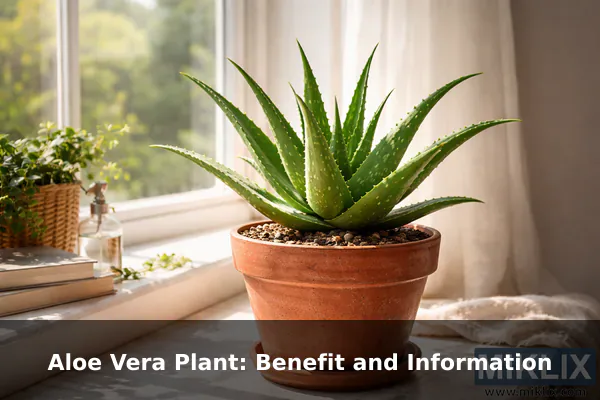
The aloe vera plant is one of the most recognizable succulents in homes around the world, valued for its sculptural leaves, easy-going nature, and long history of topical use. Whether it sits on a sunny windowsill or a shaded balcony shelf, this hardy plant manages to look attractive while asking very little in return.
This guide brings together the practical and the evidence-aware sides of aloe vera. It explains what the plant is, how to keep it healthy, what it is commonly used for, and—just as importantly—where caution is needed, especially with products meant to be swallowed.
In roughly a thousand words, you will find clear plant information, simple care basics, realistic benefits, responsible harvesting tips, and safety notes drawn from reputable health authorities so you can separate tradition from well-supported facts.
What Is the Aloe Vera Plant?
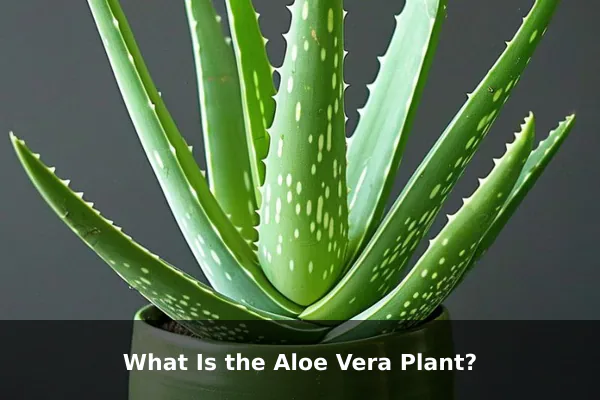
Aloe vera is a drought-tolerant succulent, sometimes listed under the synonym Aloe barbadensis Miller. It grows as a rosette of thick, fleshy leaves that store water, which is exactly what allows it to survive long dry spells. The leaves are typically green to gray-green, often edged with small soft teeth, and they hold a clear inner gel that gives the plant much of its reputation.
As a household plant, aloe vera plays a double role. It is decorative, with a tidy architectural shape that suits modern interiors, and it is also a familiar source of topical gel. That combination of good looks and usefulness is a big reason it remains a staple in beginner and experienced plant collections alike.
Key Characteristics and Growing Conditions
Aloe vera is forgiving, but it does have clear preferences. Matching its natural desert habitat is the simplest path to a healthy plant.
Light and Placement
This succulent enjoys bright, mostly indirect light, with some gentle direct sun. A position near an east- or south-facing window usually works well. Too little light leads to thin, stretched leaves, while harsh midday sun through glass can scorch them.
Soil and Potting
Use a fast-draining mix made for cacti and succulents, and always choose a pot with drainage holes. Terracotta is a good option because it lets excess moisture escape and reduces the risk of soggy roots.
Watering Habits
Water deeply, then wait until the soil is dry well below the surface before watering again. Key points to remember:
- Overwatering is the most common cause of aloe vera decline and root rot.
- Water less often in cooler months when growth slows.
- Mushy, translucent, or browning leaves often signal too much moisture.
Common Benefits of Aloe Vera
Aloe vera is best known for the clear gel inside its leaves, which is widely used in skincare and cosmetic products. People often apply it for a cooling, soothing feel on minor skin dryness or everyday irritation, and it appears in countless lotions, gels, and after-sun formulas.
It is worth being measured here. According to the U.S. National Center for Complementary and Integrative Health, topical aloe gel is commonly used and generally well tolerated, but evidence for many specific health claims is limited or mixed. Treat aloe vera as a pleasant, familiar comfort ingredient rather than a guaranteed remedy, and rely on qualified medical guidance for any genuine skin or health concern.
Beyond personal care, the plant offers a quieter benefit: it is an attractive, low-effort piece of greenery that brings a calm, natural element to a room with minimal upkeep.
Aloe Vera Gel, Latex, and Commercial Products
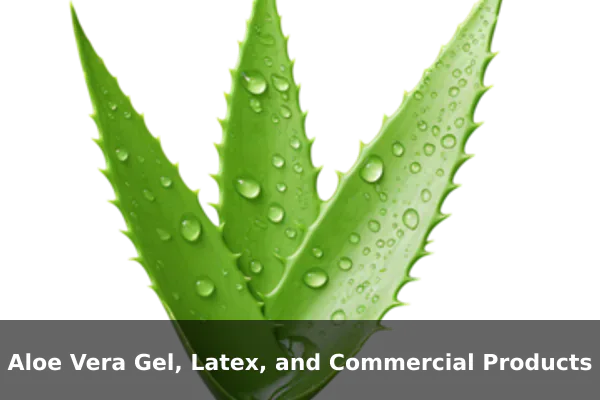
Not every part of the leaf is the same, and the difference matters for safety. Reliable health sources describe at least three distinct forms:
- Inner leaf gel: the clear, soft tissue most often used on the skin.
- Latex: a bitter yellow substance found just under the leaf skin, containing compounds such as aloin.
- Whole-leaf or processed extracts: commercial preparations, including juices and supplements, that may contain varying amounts of these components.
The National Institute of Environmental Health Sciences notes that aloe latex and aloin are the parts of greatest concern, and that processing methods affect what ends up in a finished product. Because labels and formulations differ, the safety profile of an aloe product depends heavily on which form it contains.
Safety Notes Before Using Aloe Vera
Topical use of aloe gel is one thing; taking aloe by mouth is another. The cautions below reflect guidance from established health authorities.
Oral Aloe and Latex
Aloe latex acts as a strong stimulant laxative and can cause cramping and other digestive effects. The U.S. Food and Drug Administration’s rulemaking history has addressed the status of aloe as an over-the-counter laxative ingredient, reflecting safety concerns about this use.
Liver and Long-Term Use
The NIH resource LiverTox documents reports of liver injury associated with some oral aloe vera products. Anyone considering oral aloe supplements should be cautious and discuss it with a healthcare professional first.
Who Should Take Extra Care
- Pregnant or breastfeeding people are generally advised to avoid oral aloe.
- Children should not be given oral aloe products without medical advice.
- People taking medications should check for possible interactions, since laxative effects can influence how other drugs work.
If someone swallows aloe latex or a large amount of plant material and feels unwell, consumer resources such as MedlinePlus advise contacting a poison control center or seeking medical help promptly.
How to Harvest Aloe Vera Leaves Responsibly
For external use only, harvesting a leaf at home is simple if you do it carefully:
- Choose a mature, thick outer leaf rather than the small central leaves.
- Cut it cleanly near the base with a clean knife, avoiding damage to the rest of the plant.
- Stand the leaf upright for a few minutes so the yellow latex can drain away.
- Rinse the leaf, then trim the edges and skin to reach the clear inner gel.
- Do a small patch test on your skin before applying gel more widely, in case of sensitivity.
Harvest sparingly so the plant keeps enough leaves to stay healthy and continue growing.
Aloe Vera in the Home Garden
Aloe vera earns its place in indoor and balcony gardens for several practical reasons. It is low maintenance, tolerant of missed watering, and visually striking with its bold rosette form. It also propagates easily: mature plants produce small offsets, often called pups, around the base that can be separated and potted on their own.
Because it thrives in dry, bright conditions, aloe vera suits busy households, small spaces, and gardeners who prefer resilient plants over thirsty ones. A single healthy plant can slowly become a small collection with very little cost or effort.
Quick Care and Use Checklist
- Light: bright, mostly indirect, with gentle direct sun.
- Water: only when the soil is well dried out; avoid overwatering.
- Soil: fast-draining cactus or succulent mix in a pot with drainage.
- Propagation: separate and pot the offsets that form at the base.
- Topical use: use inner gel, drain the latex, and patch test first.
- Oral use: approach with caution and consult a healthcare professional.
Final Takeaway
Aloe vera is a genuinely rewarding plant: tough, attractive, easy to grow, and tied to a familiar tradition of topical use. As a piece of household greenery, it offers a lot of character for very little care.
At the same time, sensible limits apply. Enjoy aloe vera as a resilient plant and a well-known comfort ingredient for the skin, but treat oral or medicinal use as a separate matter that calls for caution and reliable guidance from qualified health sources. Used thoughtfully, aloe vera can be a lasting and trustworthy part of your home.
Official references
- National Center for Complementary and Integrative Health: Aloe Vera – NIH overview of aloe vera uses, evidence for health benefits, side effects, pregnancy cautions, oral latex risks, and FDA safety context.
- MedlinePlus Medical Encyclopedia: Aloe – NIH/NLM consumer medical reference for aloe exposure, poisoning concerns, symptoms, and when to contact poison control.
- National Institute of Environmental Health Sciences: Aloe Vera – Official NIEHS/NTP summary covering aloe vera product forms, aloin, dietary supplement cautions, and carcinogenicity study findings.
- LiverTox: Aloe Vera – NIH/NLM clinical reference on reported liver injury associated with oral aloe vera products.
- FDA Rulemaking History for OTC Laxative Drug Products – Official FDA rulemaking history documenting the regulatory status of aloe as an OTC stimulant laxative ingredient.
