
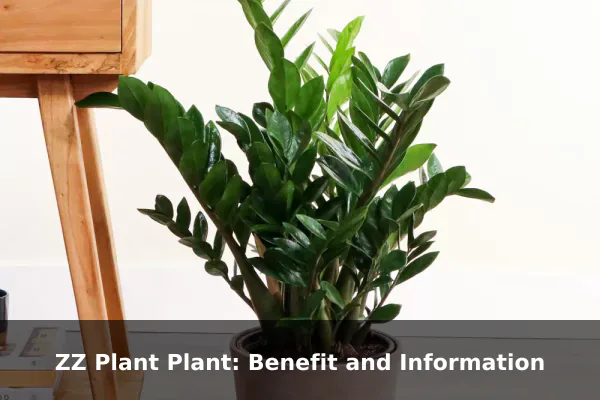
The ZZ plant has quietly become one of the most popular choices for indoor gardeners around the world, and for good reason. With its naturally glossy, deep-green leaves and an almost legendary ability to survive neglect, it fits into nearly any living space — from a bright home office to a dimly lit apartment corner.
Whether you are just starting your plant collection or looking for a reliable statement piece that does not demand constant attention, the ZZ plant deserves a closer look. This article covers everything you need to know: what the ZZ plant actually is, its key benefits, essential care information, and how to troubleshoot common issues.
What Is a ZZ Plant?
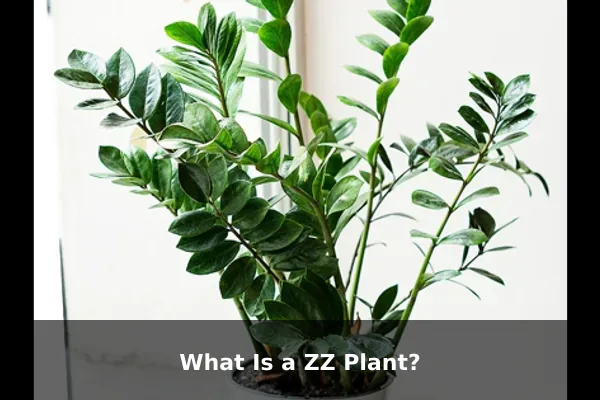
The ZZ plant, known scientifically as Zamioculcas zamiifolia, is a tropical perennial native to eastern Africa, particularly regions of Tanzania and Kenya. Despite its exotic origins, it adapts remarkably well to indoor conditions across the globe. The common name “ZZ” is simply an abbreviation of its lengthy scientific name, making it easier to remember and reference.
It belongs to the family Araceae and is closely related to other popular houseplants. The plant grows from thick, underground rhizomes that store water and nutrients, which is the primary reason it can tolerate drought and low-water conditions so well.
Physical Appearance
ZZ plants grow in graceful, arching stems lined with pairs of thick, waxy leaflets. The leaves have a polished shine that makes them look almost artificial, which often surprises first-time owners. Mature plants typically reach between 60 cm and 90 cm in height indoors, though growth is naturally slow.
Main Benefits of the ZZ Plant
The ZZ plant is not just a pretty addition to a shelf. It offers a range of practical benefits that make it particularly well-suited for modern indoor living.
Extremely Low Maintenance
One of the most celebrated benefits of the ZZ plant is how little care it actually needs. It can go weeks without water, tolerates a wide range of light conditions, and rarely demands fertilizer. For busy professionals, frequent travelers, or anyone who forgets to water regularly, the ZZ plant is an ideal match.
Tolerates Low Light
Unlike many ornamental plants that require bright, indirect sunlight, the ZZ plant handles low-light environments remarkably well. It will not thrive in complete darkness, but it remains healthy in rooms with limited natural light — a rare quality among houseplants with attractive foliage.
Long Lifespan and Slow, Steady Growth
With minimal care, a ZZ plant can live for many years — sometimes decades. Its slow growth rate means it will not outgrow its pot quickly, reducing the need for frequent repotting. This makes it a long-term investment in your indoor greenery.
Aesthetically Versatile
The ZZ plant’s architectural form and glossy leaves complement a wide variety of interior design styles, from minimalist modern to cozy bohemian. It works equally well as a floor plant or on a raised shelf or side table.
Important ZZ Plant Information at a Glance
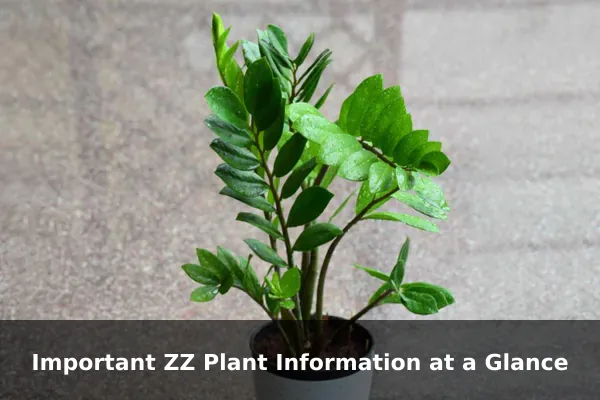
Before bringing a ZZ plant home, it helps to understand its basic growing requirements. Here is a quick reference summary:
- Scientific name: Zamioculcas zamiifolia
- Origin: Eastern Africa (Tanzania, Kenya)
- Light: Low to bright indirect light; avoid direct sun
- Watering: Every 2–4 weeks; allow soil to dry fully between waterings
- Soil: Well-draining potting mix; cactus or succulent blend works well
- Temperature: 15°C to 26°C (60°F to 80°F)
- Humidity: Tolerates average household humidity
- Growth rate: Slow to moderate
- Mature height indoors: 60–90 cm (2–3 feet)
- Toxicity: Mildly toxic if ingested; keep away from pets and small children
How to Care for a ZZ Plant Indoors
Good ZZ plant care is largely about avoiding common mistakes rather than performing complex routines. Here is what you need to know.
Light
Place your ZZ plant in a spot with bright to medium indirect light for the best growth. It will survive in low-light corners, but expect slower growth and less vibrant foliage. Direct sunlight will scorch the leaves, so keep it away from south-facing windows without a sheer curtain.
Watering
Overwatering is the most common mistake with ZZ plants. Water only when the top 2–5 cm of soil is completely dry. In most homes, this means watering every two to four weeks. Reduce watering frequency in winter when the plant’s growth naturally slows.
Soil and Fertilizing
Use a well-draining potting mix — standard indoor soil mixed with perlite or coarse sand works well. Feed the ZZ plant with a balanced liquid fertilizer diluted to half strength once a month during the growing season (spring through summer). Do not fertilize in autumn and winter.
Common Problems and How to Prevent Them
Even low-maintenance plants encounter occasional issues. Here are the most frequent problems ZZ plant owners face and how to address them.
Yellow Leaves
Yellowing leaves are almost always a sign of overwatering. Check the soil moisture and reduce your watering frequency. If the soil feels soggy, remove the plant from its pot, allow the roots to dry, and repot in fresh, dry soil.
Root Rot
Root rot occurs when the rhizomes stay wet for too long. Prevention is straightforward: use well-draining soil, pots with drainage holes, and follow a conservative watering schedule.
Pest Issues
ZZ plants are relatively pest-resistant, but they can occasionally attract scale insects or mealybugs. Check the undersides of leaves regularly. Treat infestations early by wiping leaves with a damp cloth or applying diluted neem oil.
Is the ZZ Plant Safe for Homes With Pets and Children?
The ZZ plant contains calcium oxalate crystals, which can cause irritation and discomfort in the mouth and digestive tract if any part of the plant is chewed or ingested. This applies to both humans and animals. With sensible placement, the risk is easy to manage:
- Place the plant on a high shelf or in a room that pets and small children do not access unsupervised.
- Wash your hands after handling the plant or pruning leaves.
- Avoid touching your eyes or mouth after working with the plant.
With basic precautions, a ZZ plant can safely share a home with pets and children.
Who Should Grow a ZZ Plant?
The ZZ plant suits a wide range of growers and living situations:
- Beginners: Its resilience and simple care needs make it an excellent first plant.
- Busy households: Irregular watering and infrequent attention are perfectly fine.
- Office spaces: Tolerates artificial lighting and dry air conditioning well.
- Small apartments: Its controlled size and upright form work well in compact spaces.
- Design-conscious growers: The glossy leaves and sculptural shape complement modern interiors.
If you are looking for a plant that adds real visual value with minimal effort, the ZZ plant is one of the smartest choices you can make. Start with a small nursery specimen, place it in a bright spot with good drainage, water it sparingly, and watch it grow steadily over time. Few plants reward low effort with such consistent, attractive results.
