
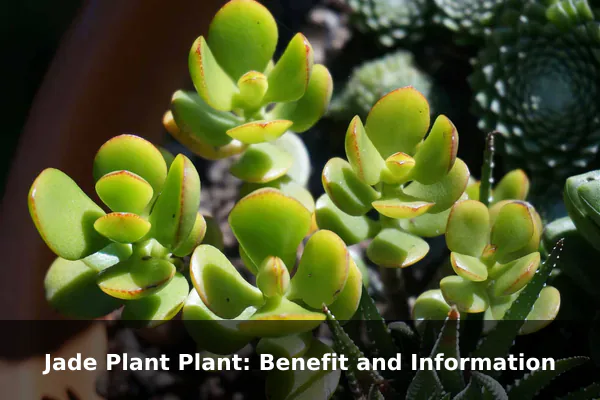
The jade plant is one of the most recognizable and beloved succulents in the world of indoor gardening. With its thick, glossy leaves and sturdy woody stems, it brings a touch of natural elegance to any home or office space. Whether you are an experienced plant enthusiast or just starting your green journey, the jade plant offers the perfect combination of beauty and simplicity that few houseplants can match.
Known for its long lifespan and forgiving nature, the jade plant has earned a loyal following among beginner and seasoned gardeners alike. In this guide, you will find everything you need to know about the jade plant — from its key benefits and unique characteristics to essential care tips that will help it thrive for years to come.
What Is a Jade Plant?
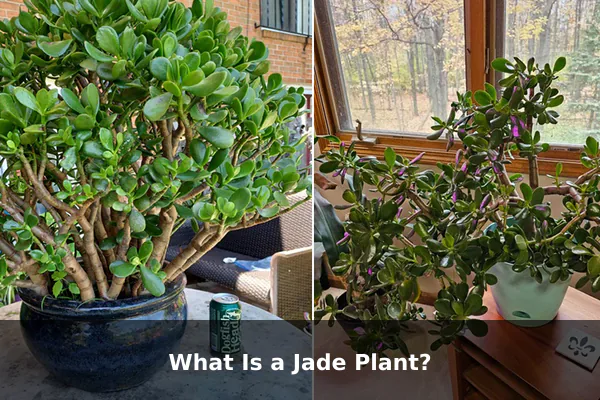
The jade plant, known scientifically as Crassula ovata, is a succulent native to South Africa and Mozambique. It belongs to the family Crassulaceae and is closely related to other popular succulents. Common names include jade plant, money plant, lucky plant, and friendship tree — names that reflect the cultural significance it holds in many parts of the world.
As a succulent, the jade plant stores water in its fleshy, oval-shaped leaves, making it highly drought-tolerant. Its stems start soft and green when young, gradually becoming woody and brown as the plant matures, giving older specimens a tree-like appearance that many plant lovers find especially attractive.
- Scientific name: Crassula ovata
- Family: Crassulaceae
- Origin: South Africa, Mozambique
- Type: Succulent shrub
- Common names: Jade plant, money plant, lucky plant, friendship tree
Main Benefits of Growing a Jade Plant
Growing a jade plant in your home or workspace comes with a range of practical and aesthetic benefits that make it one of the most rewarding houseplants you can choose.
Long Lifespan and Lasting Value
One of the jade plant’s most remarkable qualities is its extraordinary lifespan. With proper care, a jade plant can live for decades — some specimens are even passed down through generations as living heirlooms. This makes it a truly long-term investment in your living space.
Low Maintenance and Drought Tolerant
Because the jade plant stores water in its leaves, it can survive periods of neglect far better than most houseplants. You do not need to water it frequently, and it adapts well to typical indoor conditions. This makes it an ideal choice for busy people or those who are new to caring for plants.
Decorative and Aesthetic Appeal
The jade plant’s compact, tree-like structure and deep green glossy leaves make it a highly decorative addition to any room. As it ages and grows, it develops an attractive bonsai-like form that adds character and a sense of timelessness to your space.
Cultural and Symbolic Meaning
In many Asian cultures, the jade plant is considered a symbol of good luck, prosperity, and positive energy. It is commonly given as a gift for new businesses, homes, and special occasions. Whether or not you subscribe to this symbolism, it adds a meaningful dimension to owning one.
Air Quality Contribution
Like many houseplants, the jade plant contributes to a healthier indoor environment by participating in natural gas exchange. While it should not be treated as an air purifier, having live plants indoors generally supports a more balanced and comfortable atmosphere.
Jade Plant Characteristics and Growth Habits
Understanding how a jade plant grows helps you appreciate what it needs and what to expect as it matures.
Appearance and Leaf Structure
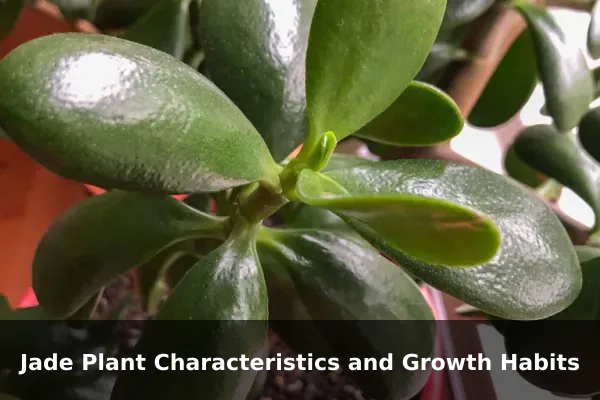
Jade plant leaves are thick, fleshy, and oval-shaped, typically dark green in color. Some varieties develop red-tinged leaf edges when exposed to bright light. The leaves are smooth and glossy, and their waxy surface helps reduce moisture loss — a key adaptation for life in dry conditions.
Size and Growth Rate
Indoors, jade plants typically grow between 30 to 90 centimeters in height, though they can grow larger over many years. Growth is slow to moderate, which is part of why they live so long. A young jade plant may take several years to reach a size where it begins to look truly impressive.
Stem and Branch Development
Young jade plants have soft, bright green stems. Over time, the lower stems become woody and bark-like, supporting the increasingly heavy canopy of leaves. This gradual transformation gives mature jade plants a sculptural, almost bonsai-like aesthetic that becomes more beautiful with age.
How to Care for a Jade Plant at Home
Jade plant care is straightforward once you understand its basic needs. Here are the most important factors to keep in mind:
Light
Jade plants thrive in bright, indirect light. A spot near a south- or west-facing window is ideal. They can tolerate some direct morning sun but should be protected from harsh midday sun, which can scorch their leaves. Insufficient light causes leggy, weak growth.
Watering
Overwatering is the most common mistake with jade plants. Water thoroughly, then allow the soil to dry out completely before watering again. During winter, reduce watering further. A general rule is to water every 2 to 3 weeks in warmer months and less frequently in cooler months.
Soil and Potting
Use a well-draining succulent or cactus potting mix. Good drainage is critical to prevent root rot. Always use a pot with drainage holes. Repot every 2 to 3 years or when the plant becomes root-bound, moving up only one pot size at a time.
Temperature
Jade plants prefer temperatures between 15°C and 24°C (60°F–75°F). They can tolerate slightly cooler temperatures in winter but should be kept away from frost and cold drafts. Avoid placing them near air conditioning vents or heating units.
Fertilizing
Feed your jade plant with a balanced, diluted liquid fertilizer once a month during the growing season (spring and summer). Do not fertilize in winter when growth naturally slows. Over-fertilizing can cause soft, weak growth and reduce the plant’s compact shape.
Common Problems and Simple Solutions
Even with proper care, jade plants can occasionally run into issues. Here are the most common problems and how to address them:
- Yellowing or dropping leaves: Usually caused by overwatering. Let the soil dry out completely and reduce your watering frequency.
- Wrinkled or shriveled leaves: A sign of underwatering. Give the plant a thorough watering and monitor the soil moisture more regularly.
- Root rot: Caused by consistently wet soil. Remove affected roots, allow to dry, and repot into fresh, well-draining mix.
- Leggy, stretched growth: Indicates insufficient light. Move the plant to a brighter location closer to a window.
- Mealybugs or scale insects: Wipe leaves with a cotton swab dipped in isopropyl alcohol, or treat with neem oil spray.
Is Jade Plant Safe and Easy for Beginners?
The jade plant is widely regarded as one of the best plants for beginners. Its tolerance for irregular watering, adaptability to typical indoor light levels, and slow growth make it very forgiving of small mistakes. You do not need special equipment or advanced knowledge to keep it healthy.
However, it is important to note that jade plants are toxic to cats and dogs if ingested. If you have pets that tend to chew on plants, place your jade plant in a location that is out of their reach. It is generally considered non-toxic to humans in normal circumstances, but it is still best to keep it away from small children who might chew on leaves.
For placement, a bright windowsill, a well-lit shelf, or a desk near natural light are all excellent spots. The jade plant also does well in offices with fluorescent lighting, making it a popular choice for workspace decoration.
Quick Jade Plant Facts to Remember
Here is a compact summary of the most important things to know about the jade plant:
- Scientific name: Crassula ovata
- Native to South Africa — naturally adapted to dry, sunny conditions
- Stores water in its leaves, making it highly drought-tolerant
- Can live for decades with proper care
- Thrives in bright, indirect light near a window
- Water every 2–3 weeks in summer; less in winter
- Needs well-draining soil and a pot with drainage holes
- Toxic to cats and dogs — keep out of reach of pets
- Grows slowly but develops a beautiful, tree-like form over time
- Symbolizes good luck and prosperity in many cultures
Conclusion
The jade plant is a truly exceptional houseplant that rewards its owners with decades of beauty, minimal demands, and a quiet, steadfast presence in any room. Its combination of striking appearance, drought tolerance, long lifespan, and beginner-friendly nature makes it one of the most practical and satisfying choices available to indoor plant lovers.
Whether you are adding your first houseplant to a sunny windowsill or expanding a growing indoor garden, the jade plant deserves a prominent place in your collection. Give it the right light, avoid overwatering, and it will repay you with lush, glossy growth for many years to come.
