

The snake plant is one of the most recognized houseplants in the world, and for good reason. With its tall, stiff leaves that grow straight upward and its ability to survive in almost any indoor condition, it has earned a permanent spot in homes, offices, and apartments across the globe. Whether you are completely new to growing plants or looking to add a reliable specimen to your collection, the snake plant delivers both visual appeal and practical value without demanding much in return.
This guide covers everything a beginner or casual grower needs to know: what the snake plant actually is, the benefits it brings, how to care for it properly, and what to watch out for. If you have been considering adding one to your space, this article will give you a clear and complete picture before you bring one home.

What Is a Snake Plant?
The snake plant, botanically known as Dracaena trifasciata (formerly classified as Sansevieria trifasciata), is a succulent-like perennial native to West Africa. It goes by several common names including mother-in-law’s tongue, Saint George’s sword, and viper’s bowstring hemp. The name comes from the shape and patterning of its long, pointed leaves, which often display a mottled green design resembling snakeskin.
The plant produces upright, rigid leaves that can grow anywhere from 6 inches to over 4 feet tall depending on the variety. Most leaves are dark green with lighter crossbanding, and many cultivars feature yellow or silver margins along the edges. It belongs to the Asparagaceae family and is closely related to asparagus and agave.
Main Benefits of Snake Plant
Snake plants offer a wide range of benefits that make them an ideal choice for indoor growing:
- Extremely low maintenance: Snake plants tolerate neglect better than almost any other houseplant. They can go weeks without water and still thrive.
- Adaptable to low light: Unlike most houseplants, snake plants survive in dim corners and rooms with minimal natural light, making them versatile for any space.
- Air quality improvement: Studies suggest snake plants can absorb certain indoor pollutants, including formaldehyde and benzene, over time.
- Decorative value: Their architectural, upright form adds a modern, sculptural element to interior design.
- Beginner-friendly: Because they are so forgiving, they are the perfect starter plant for anyone new to houseplant care.
- Long-lived: With minimal care, a healthy snake plant can live for 5 to 10 years or more indoors.
Types and Appearance You May See
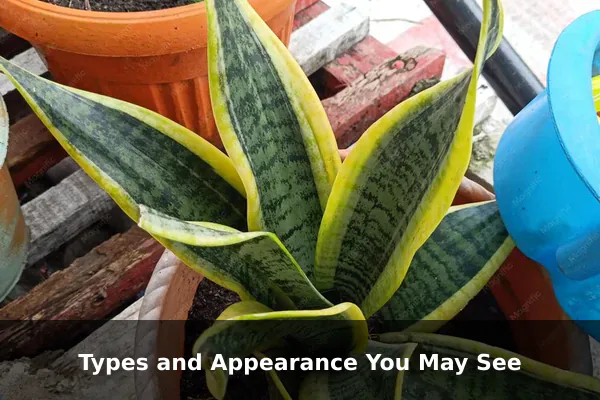
There are dozens of snake plant cultivars, but a few are especially common in nurseries and garden centers:
Laurentii
One of the most popular varieties, featuring dark green leaves with yellow edges. It grows tall and works well as a floor plant in living rooms or hallways.
Moonshine
A compact variety with silvery-pale green leaves that appear almost luminous in indirect light. It stays shorter than Laurentii and suits shelves or tabletops.
Cylindrica
This variety produces round, cylindrical leaves rather than flat ones, giving it a distinctly different silhouette. The leaves can be braided or left to grow naturally.
Hahnii (Bird’s Nest Snake Plant)
A dwarf form that grows in a low, rosette shape rather than upright. It is ideal for small spaces, windowsills, and desk plants.
How to Care for a Snake Plant
Caring for a snake plant is straightforward. Follow these basic guidelines to keep it healthy:
- Light: Tolerates low light but grows best in indirect bright light. Avoid prolonged direct afternoon sun, which can scorch the leaves.
- Watering: Water only when the top 2 inches of soil are completely dry. In winter, reduce watering to once a month. Overwatering is the most common mistake.
- Soil: Use a well-draining potting mix, ideally a cactus or succulent blend, to prevent water from pooling around the roots.
- Pot: Choose a pot with drainage holes. Terra cotta pots are excellent because they allow soil to dry out faster.
- Temperature: Prefers temperatures between 60°F and 80°F (15°C–27°C). Keep it away from cold drafts and frost.
- Fertilizer: Feed once or twice during the growing season (spring and summer) with a balanced liquid fertilizer. Do not fertilize in winter.
Common Problems and How to Avoid Them
Overwatering and Root Rot
The single most common cause of snake plant death is too much water. If leaves turn soft, mushy, or yellow at the base, reduce watering immediately and check the roots. Remove any black or brown rotted roots and repot in fresh, dry soil.
Yellowing Leaves
Yellow leaves can indicate overwatering, poor drainage, or too little light. Adjust the watering schedule and move the plant to a brighter location if needed.
Pests
Spider mites, mealybugs, and fungus gnats occasionally affect snake plants, usually when the soil stays too wet. Wipe leaves with a damp cloth to remove pests, and let the soil dry out fully between waterings.
How to Propagate Snake Plant
Snake plants are easy to multiply using two beginner-friendly methods:
- Division: When repotting, gently separate the root clumps into individual sections. Each section with roots attached can be planted in its own pot and will grow independently.
- Leaf cuttings: Cut a healthy leaf into sections about 3–4 inches long. Place them upright in a jar of water or directly into moist potting mix. Roots usually appear within 3–6 weeks. Note that variegated varieties like Laurentii may revert to plain green when propagated this way.
Is Snake Plant Safe for Homes With Pets and Children?
Snake plants are mildly toxic to cats and dogs if ingested. They contain saponins, which can cause nausea, vomiting, and drooling in pets. While symptoms are rarely severe, it is best to keep the plant out of reach of animals and curious young children who might chew on the leaves. Placing it on a high shelf or in a room pets do not access is a practical solution.
Quick Facts Before You Buy One
- Lifespan: 5–10 years or more with proper care
- Growth rate: Slow to moderate — a few inches per year indoors
- Best placement: Bedroom, living room, home office, or hallway
- Watering frequency: Every 2–6 weeks depending on season and humidity
- Ideal for: Beginners, busy people, or anyone who forgets to water plants
- Price range: Affordable — small plants typically cost $5–$15; larger specimens $20–$50
The snake plant is one of the easiest and most rewarding houseplants you can grow. It brings a clean, modern look to any interior, survives conditions that would stress other plants, and requires only minimal attention to thrive year after year. Whether you place it in a bright living room or a dim bedroom corner, the snake plant adapts and continues to grow steadily. For anyone starting their plant journey or looking to add a no-fuss green companion to their space, it remains one of the best choices available.
