
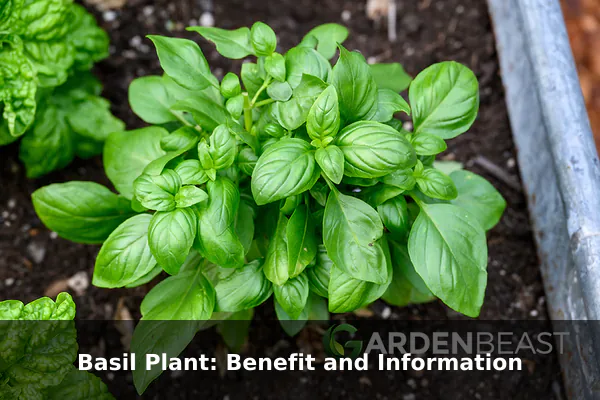
Few herbs are as instantly recognizable as basil. Its glossy green leaves and warm, slightly peppery aroma have made it a kitchen staple across continents, from Italian kitchens layering it into fresh pesto to Southeast Asian cooks tossing it into stir-fries. Known to botanists as Ocimum basilicum, the basil plant is a tender annual herb that is easy to grow, generous with its harvest, and rewarding for cooks and gardeners alike.
This guide looks at basil from a practical, evidence-aware angle. Rather than promising dramatic health cures, it focuses on what basil reliably offers: vibrant flavor, a small contribution of micronutrients, value in the home garden, and a handful of plant compounds that researchers continue to study. Below you will find clear plant facts, realistic benefits, hands-on growing tips, common uses, and sensible safety notes.
What Is the Basil Plant?
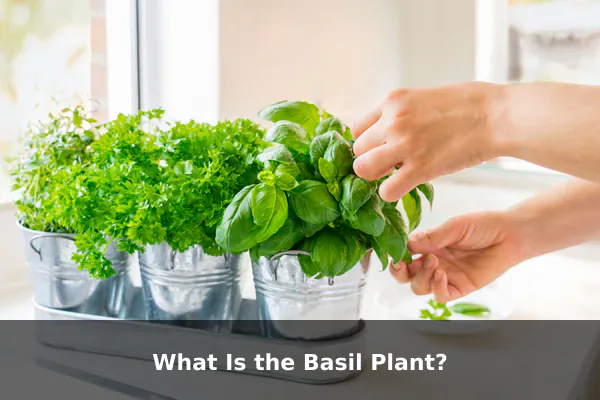
Basil belongs to the mint family (Lamiaceae) and is accepted botanically as Ocimum basilicum L. It is a soft-stemmed, fast-growing herb usually treated as a warm-season annual, since it is sensitive to cold and frost. In favorable conditions a single plant can form a bushy mound of opposite, oval leaves roughly 30 to 60 cm tall.
Appearance and Aroma
The leaves are typically bright green, smooth, and faintly cupped, though cultivars range from purple-leaved types to ruffled and compact varieties. When brushed or torn, basil releases its signature fragrance — a blend of sweet, clove-like, and mildly peppery notes produced by aromatic oils in the foliage. Left unpruned, the plant sends up spikes of small white or pale purple flowers.
Key Benefits of Basil
The most dependable benefits of basil are practical and culinary rather than medical. Used fresh, it can transform simple dishes while adding almost no calories.
- Flavor without excess salt or fat: a handful of fresh leaves boosts taste, which can help reduce reliance on heavier seasonings.
- Low-calorie freshness: basil is mostly water and fiber, so culinary amounts contribute negligible calories.
- Micronutrient contribution: fresh basil provides small amounts of vitamin K and other nutrients, though serving sizes are usually tiny.
- Garden value: basil is productive and attractive, and its flowers can draw pollinators such as bees.
- Aromatic enjoyment: the scent itself adds sensory appeal to cooking and to a windowsill garden.
Nutrition Facts of Fresh Basil
According to nutrient data compiled by USDA FoodData Central, fresh basil is a low-calorie, low-fat herb composed largely of water. Because basil is usually eaten in small quantities — a few leaves or a couple of tablespoons chopped — it is best viewed as a flavor enhancer rather than a major source of nutrition.
In typical culinary amounts, fresh basil offers:
- Very few calories and virtually no fat or sugar.
- Small amounts of vitamin K, which the body uses in normal blood clotting.
- Trace levels of vitamin A precursors, vitamin C, calcium, and manganese.
- A modest amount of dietary fiber relative to its small serving size.
The takeaway is simple: basil supports a healthy diet mainly by making vegetables and lean dishes more appealing, not by delivering large doses of any single nutrient.
Studied Plant Compounds and Health Research
Basil contains aromatic compounds and phytochemicals — including essential-oil constituents and polyphenols — that have attracted scientific interest. Published reviews indexed in PubMed and available through PubMed Central describe research into the antioxidant, anti-inflammatory, and immune-related activity of Ocimum basilicum and its main constituents.
It is important to read these findings carefully. Much of the available evidence comes from laboratory studies, cell cultures, or animal models, with more limited and less conclusive human data. Reviews also note that effects observed with concentrated extracts or essential oils do not necessarily translate to the small amounts of fresh basil used in cooking. In short, basil is an interesting subject of ongoing research, but current evidence does not support treating it as a remedy for any specific disease.
How to Grow Basil at Home
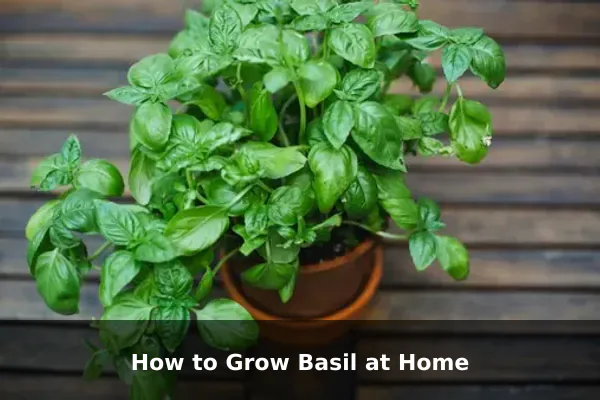
Basil is one of the most beginner-friendly herbs, and it thrives in containers as easily as in garden beds. University extension guidance, such as that from the North Carolina Extension Gardener Plant Toolbox, points to a few consistent needs.
Light, Soil, and Water
- Sunlight: give basil at least 6 hours of direct sun daily; a bright, warm windowsill can work indoors.
- Warmth: plant only after frost has passed, as cold temperatures damage the foliage.
- Soil: use rich, well-draining soil; container plants do well in a quality potting mix.
- Water: keep the soil evenly moist but not waterlogged, watering when the surface begins to dry.
Pruning and Common Mistakes
Regular pinching is the secret to a full, productive plant. Harvest from the top and remove flower buds as they appear, since flowering signals the plant to slow leaf production. Common mistakes include overwatering, crowding plants, exposing them to cold drafts, and harvesting too timidly — frequent, gentle picking actually encourages more growth.
Common Uses for Basil Leaves
Fresh basil is prized because heat dulls its aroma, so it is often added near the end of cooking or used raw. Popular uses include:
- Pesto: blended with nuts, hard cheese, garlic, and olive oil.
- Salads and sandwiches: torn over tomatoes, mozzarella, or leafy greens.
- Sauces and soups: stirred into tomato-based dishes just before serving.
- Garnish: scattered over pizza, pasta, grilled vegetables, or noodle bowls.
- Infusions: steeped briefly in hot water for a fragrant, caffeine-free drink.
Basil pairs naturally with tomato, garlic, lemon, olive oil, and soft cheeses, and different cultivars — such as sweet, Thai, or lemon basil — can be matched to specific cuisines.
Safety, Limits, and Sensible Use
For most people, basil used as a culinary herb is considered safe and well tolerated. The key distinction is between everyday cooking amounts and concentrated forms such as basil essential oil or supplements, which are far more potent and fall outside normal food use.
A few sensible cautions apply:
- Anyone who is pregnant or breastfeeding, taking medication, or managing a medical condition should speak with a qualified healthcare professional before using concentrated basil extracts or supplements.
- People on blood-thinning medication may be advised to keep vitamin K intake consistent; a doctor can give personalized guidance.
- Allergic reactions to basil are uncommon but possible; discontinue use if irritation occurs.
None of this is medical advice — it is simply a reminder that the word natural does not automatically mean risk-free in concentrated doses.
Quick Basil Plant Facts
For a fast recap, here are the essentials of the basil plant:
- Botanical name: Ocimum basilicum L.
- Plant family: Lamiaceae, the mint family.
- Plant type: tender, warm-season annual herb.
- Growing needs: full sun, warmth, rich well-drained soil, and even moisture.
- Edible part: the aromatic leaves, used fresh whenever possible.
- Main uses: culinary flavoring, pesto, garnishes, and infusions.
- Main takeaway: basil’s biggest and most reliable benefit is bringing fresh flavor to healthy food.
Conclusion
The basil plant earns its place on windowsills and in gardens for good reason. It is easy to grow, quick to harvest, and endlessly useful in the kitchen, where it adds bright flavor with almost no calories. Its small contribution of micronutrients and the plant compounds that scientists continue to study add to its appeal, as long as those points are kept in realistic perspective.
Approached sensibly — enjoyed fresh, grown with a little sun and care, and used in concentrated forms only with professional guidance — basil is a genuinely rewarding herb. Whether you are a first-time gardener or an experienced cook, a single pot of Ocimum basilicum can deliver flavor, fragrance, and satisfaction season after season.
Official references
- Royal Botanic Gardens, Kew – Plants of the World Online: Ocimum basilicum L. – Authoritative botanical taxonomy, accepted name, distribution, classification, and plant-use context for basil.
- USDA FoodData Central – Basil, fresh – Primary U.S. government nutrient database for substantiating nutrition-related benefit claims about fresh basil.
- North Carolina Extension Gardener Plant Toolbox – Ocimum basilicum – University extension reference for plant description, growing facts, characteristics, and practical horticultural information.
- PubMed – The potential effects of Ocimum basilicum on health: a review of pharmacological and toxicological studies – Indexed scientific review useful for cautious discussion of studied health effects and toxicity considerations.
- PubMed Central – Anti-inflammatory, immunomodulatory and anti-oxidant effects of Ocimum basilicum L. and its main constituents: A review – Full-text peer-reviewed review covering basil phytochemicals and evidence around antioxidant, anti-inflammatory, and immune-related effects.
