
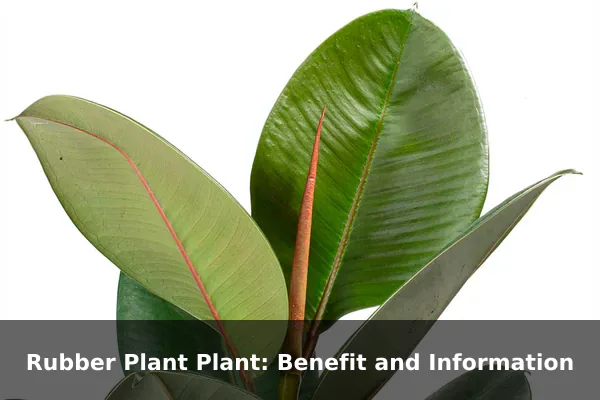
The rubber plant, known scientifically as Ficus elastica, is one of the most recognized houseplants in the world. With its large, glossy leaves and upright growth habit, it brings a striking visual presence to any room. Whether you are decorating a living room, a home office, or a commercial space, the rubber plant delivers both beauty and simplicity in one package.
Originally native to the rainforests of South and Southeast Asia, this resilient plant has found a permanent place in homes across the globe. Its bold foliage, ease of care, and adaptability to indoor environments make it a top choice for both beginners and experienced plant owners. This guide covers everything you need to know — from its key benefits to practical care tips.
What Is a Rubber Plant?
The rubber plant belongs to the fig family, Moraceae, and is closely related to the common fig tree. Its name comes from the thick, milky latex sap found in its stems and leaves, which was historically used to produce rubber before commercial rubber trees became widespread.
In its natural habitat, Ficus elastica can grow into a towering tree reaching over 30 meters tall. Indoors, it typically stays between 1 and 3 meters, making it manageable as a potted plant. It comes in several cultivars, including varieties with deep green, burgundy, or variegated leaves that feature shades of cream, pink, and green.
Main Benefits of a Rubber Plant
The rubber plant is more than just a decorative piece. It offers several practical and aesthetic benefits that explain why it remains a staple in modern interior design.
- Visual impact: Its large, leathery leaves and bold structure create a natural focal point in any space.
- Low maintenance: Compared to many other tropical houseplants, the rubber plant tolerates irregular watering and less-than-perfect light conditions.
- Indoor greenery: Adding a rubber plant brings natural texture and life to rooms that might otherwise feel sterile or bare.
- Long lifespan: With proper care, a rubber plant can thrive for many years, making it a long-term investment in your indoor environment.
- Variety of forms: From compact young plants to impressive floor-standing specimens, rubber plants suit spaces of any size.
How to Recognize Rubber Plant Features
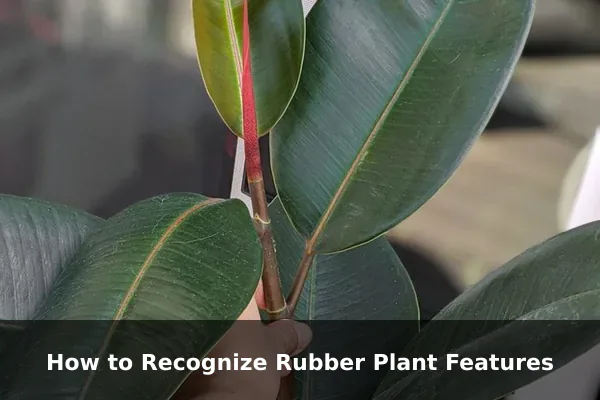
Identifying a rubber plant is straightforward once you know what to look for. Its most distinctive trait is its foliage — large, oval-shaped leaves with a smooth, waxy surface that reflects light and gives them a polished appearance.
Leaf and Stem Characteristics
- Leaves can grow 20–35 cm long and 10–15 cm wide on mature plants.
- Young leaves often emerge wrapped in a bright red or pink sheath that falls away as the leaf unfurls.
- Stems are thick and sturdy, with a slightly woody base on older plants.
- Cut stems or leaves release a milky white latex sap when broken.
Color Variations
The most common variety has deep, glossy green leaves. Popular cultivars such as Ficus elastica ‘Burgundy’ display near-black foliage with rich red undersides, while ‘Tineke’ and ‘Ruby’ feature creamy variegation with pink or red tones.
Best Conditions for Healthy Growth
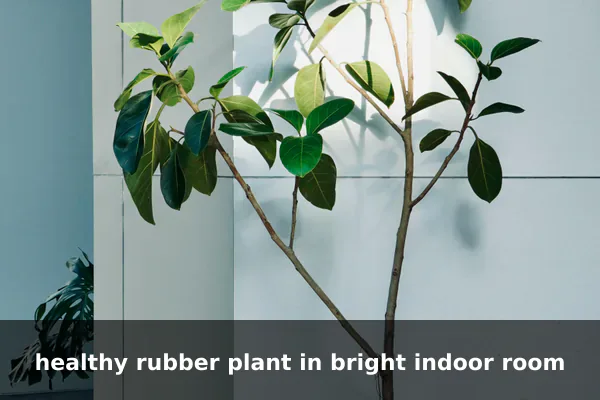
Placing your rubber plant in the right environment is the single most important factor for its long-term health. While it tolerates a range of conditions, it clearly performs best in certain settings.
Light
Rubber plants thrive in bright, indirect light. Direct sunlight can scorch the leaves, while very low light slows growth and may cause leggy stems. A spot near a window filtered by a sheer curtain is ideal. Variegated varieties need slightly more light to maintain their color patterns.
Temperature and Humidity
This plant prefers temperatures between 15°C and 27°C (60°F–80°F). It dislikes cold drafts and sudden temperature changes. Average household humidity is sufficient; misting or placing the pot on a pebble tray can help during dry winter months.
Soil and Potting
Use a well-draining potting mix — a standard houseplant mix with added perlite works well. Good drainage is essential, as waterlogged soil is the most common cause of root rot. Always choose a pot with drainage holes at the base.
Watering and Basic Care Routine
One of the rubber plant’s most appealing traits is its forgiving nature when it comes to watering. It adapts reasonably well to occasional neglect, though consistent care produces the best results.
Watering
Water thoroughly when the top 2–3 cm of soil feels dry to the touch. In summer, this may mean watering every 7–10 days. In winter, reduce frequency as growth slows. Empty any water that collects in the saucer after 30 minutes to prevent root rot from standing moisture.
Feeding and Pruning
Feed with a balanced liquid fertilizer once a month during the growing season (spring and summer). Avoid feeding in autumn and winter when the plant is resting. Prune just above a leaf node to control height and encourage bushier growth. Wipe leaves with a damp cloth every few weeks to remove dust and keep them looking their best. Always wear gloves when pruning, as the sap can irritate skin.
Common Problems and Simple Solutions
Rubber plants are generally trouble-free, but a few issues can appear when growing conditions are not quite right.
- Yellow leaves: Usually caused by overwatering. Allow the soil to dry out more between waterings.
- Leaf drop: Often triggered by sudden temperature changes, cold drafts, or relocating the plant. Keep it in a stable spot away from air conditioning vents.
- Brown leaf edges: Typically a sign of low humidity or inconsistent watering. Increase ambient moisture and water more evenly.
- Leggy growth: Caused by insufficient light. Move the plant closer to a window with bright, indirect light.
- Pests: Spider mites, mealybugs, and scale insects occasionally appear. Treat with neem oil or insecticidal soap and isolate the affected plant from others.
Is Rubber Plant Safe for Pets and Children?
This is an important consideration for households with curious pets or young children. The rubber plant’s latex sap contains compounds that are mildly toxic when ingested by cats, dogs, and humans. Ingestion can cause drooling, vomiting, and digestive upset in animals.
Skin contact with the sap may also cause irritation in sensitive individuals. To keep everyone safe, place the plant out of reach of pets and small children, and always wear gloves when pruning or repotting. Despite this caution, many households keep rubber plants safely by simply choosing a smart placement.
Rubber Plant Care at a Glance
Here is a quick summary of the most important care points for a thriving rubber plant:
- Light: Bright, indirect light; avoid direct sun exposure.
- Water: When top 2–3 cm of soil is dry; reduce frequency in winter.
- Temperature: 15°C–27°C; keep away from cold drafts.
- Humidity: Average household levels are sufficient; mist in very dry conditions.
- Soil: Well-draining potting mix with perlite added.
- Fertilizer: Balanced liquid feed once a month in spring and summer.
- Pruning: As needed to control height; always wear gloves to protect skin from sap.
- Toxicity: Sap is mildly toxic to pets; keep the plant in a safe location.
The rubber plant is a timeless choice for anyone looking to bring bold, low-maintenance greenery into their home or office. Its dramatic foliage, adaptable nature, and long lifespan make it a rewarding plant to grow. By following the care basics outlined here — the right light, careful watering, and occasional feeding — your rubber plant will stay healthy and impressive for years to come. Just remember to handle its sap with care and position it responsibly if you share your home with pets or young children.
