

Few herbs are as instantly recognizable as rosemary. With its slender, needle-like leaves and clean, pine-fresh scent, this Mediterranean evergreen has earned a lasting place in kitchens, gardens, and traditional herbal practice around the world. Whether you reach for it to season a roast or grow it in a sunny pot on a balcony, rosemary rewards a little understanding with a great deal of versatility.
This guide looks at the rosemary plant through three practical lenses: its flavor and culinary value, its care as a garden plant, and the carefully qualified evidence behind its wider uses. Throughout, it is worth remembering that fresh rosemary, dried rosemary leaf, rosemary essential oil, and concentrated rosemary extract are not interchangeable — their typical uses and safety considerations differ.
What Is the Rosemary Plant?
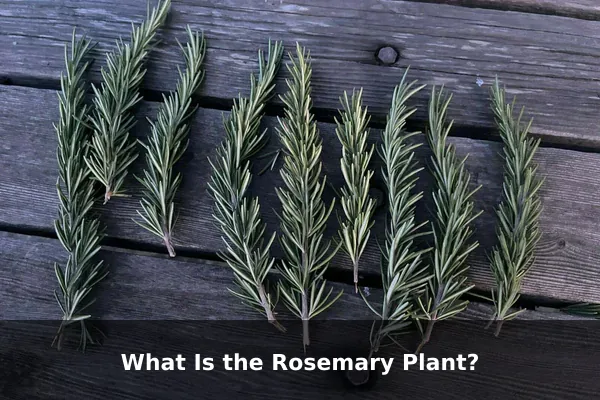
Rosemary is a woody, perennial evergreen shrub native to the Mediterranean region. Its accepted botanical name is Salvia rosmarinus, although it was long known — and is still widely sold — under the synonym Rosmarinus officinalis. It belongs to the mint family, Lamiaceae, which it shares with sage, thyme, and basil.
The plant is easy to identify by its firm, narrow leaves that resemble small needles, dark green above and paler underneath. Aromatic oils stored in the foliage give rosemary its distinctive resinous fragrance. Mature plants become quite woody at the base and may produce small blue, purple, or white flowers that attract bees and other pollinators.
Culinary Uses and Everyday Value
Rosemary is, first and foremost, a cooking herb. Its bold, slightly pine-like flavor stands up well to roasting, grilling, and slow cooking, which makes it a dependable partner for hearty dishes.
Common Flavor Pairings
- Roasted potatoes, root vegetables, and winter squash
- Lamb, chicken, pork, and other roasted meats
- Breads, focaccia, and savory baked goods
- Tomato-based sauces, soups, and bean stews
- Infused oils, marinades, and herb butters
Fresh Versus Dried Rosemary
Fresh sprigs offer a brighter aroma, while dried leaves are more concentrated and slightly more woody in texture. Because the flavor is strong, a little goes a long way — start with a small amount and adjust. Whole sprigs can be added during cooking and removed before serving, since the leaves stay firm.
Key Nutrients in Fresh Rosemary
Fresh rosemary contains small amounts of nutrients and plant compounds, and nutrient data for the fresh herb is catalogued in the USDA FoodData Central database. However, an important point of accuracy is that rosemary is almost always eaten in very small quantities as a seasoning.
For that reason, it should not be presented as a major dietary source of vitamins or minerals. Its everyday value comes mainly from flavor and aroma rather than from the nutrients delivered by a teaspoon of chopped leaves. Treat it as a flavorful seasoning, not a nutritional supplement.
Potential Benefits: What Can Be Said Carefully
Rosemary has a long history in traditional herbal use, and it is best to describe its potential benefits with caution rather than firm medical promises.
- Traditional digestive use: Rosemary leaf has a traditional reputation for supporting comfort after meals. European herbal monographs, such as the European Medicines Agency entry for rosemary leaf, frame this within traditional-use rather than as proven treatment.
- Antioxidant-related food applications: Rosemary extracts are studied and used in food contexts partly for their antioxidant properties, which can help slow the oxidation of fats in some products.
- Aroma and culinary satisfaction: The fragrance and flavor of rosemary can make simple meals more enjoyable, which is a genuine everyday benefit.
Claims that rosemary can cure, treat, or prevent specific diseases are not supported here. Anyone seeking rosemary for a particular health concern should speak with a qualified healthcare professional.
Rosemary Extracts, Oils, and Food Safety Context
It is important to separate the herb on your plate from concentrated rosemary products. Rosemary essential oil and rosemary extract are far more potent than fresh leaves and are handled differently by regulators.
In the United States, rosemary oil is listed among substances added to food by the U.S. FDA, which reflects a culinary and flavoring context. In the European Union, the use of rosemary extracts as a food additive has been assessed in scientific opinion published in the EFSA Journal. These assessments apply to controlled food-use scenarios and intake levels, not to unlimited consumption of concentrated products. Essential oils, in particular, are highly concentrated and should never be treated like a culinary herb.
How to Grow Rosemary at Home
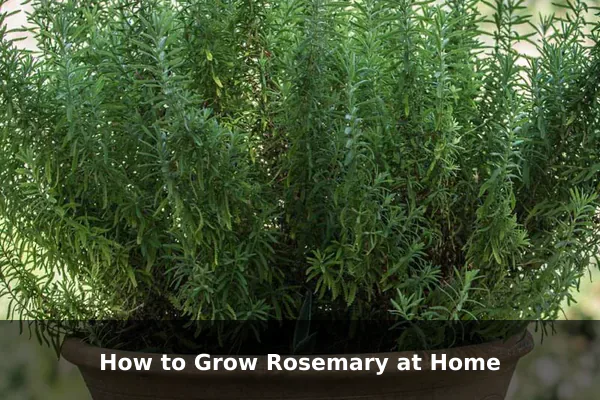
Rosemary is a satisfying plant for beginner gardeners because it is fairly forgiving once its basic preferences are met.
- Sunlight: Give rosemary full sun — at least six hours of direct light daily.
- Soil and drainage: Use light, well-drained soil. Soggy roots are the most common cause of failure.
- Watering: Allow the soil to dry partly between waterings; rosemary tolerates dryness far better than constant moisture.
- Containers: Pots with drainage holes work well, especially in colder climates where plants may need shelter in winter.
- Pruning: Trim regularly to encourage bushy growth and prevent the plant from becoming overly woody.
The single most common mistake is overwatering. When in doubt, water less and ensure the container or bed drains freely.
Harvesting, Storing, and Using Rosemary Well
Harvest rosemary by snipping young, tender sprigs from the tips, ideally in the morning when the aromatic oils are most concentrated. Avoid removing more than about one third of the plant at a time so it can recover.
To store, keep fresh sprigs wrapped loosely in the refrigerator for short-term use, or dry them in a cool, well-ventilated spot away from direct sunlight. Once dried, store the leaves in an airtight container to preserve aroma. Because rosemary is assertive, add it gradually so it complements a dish rather than overpowering it.
Safety Notes and Who Should Be Cautious
Using rosemary as a culinary herb in normal cooking amounts is widely considered reasonable for most healthy adults. The picture changes with medicinal preparations, supplements, and essential oils, which are far more concentrated.
People who are pregnant or breastfeeding, those taking medications, anyone with known allergies, and people managing existing health conditions should be especially cautious with concentrated rosemary products and should seek professional advice before using them. As general guidance, treat essential oils and extracts as products to use carefully and in line with their labeled instructions.
Quick Facts About Rosemary
- Plant type: Woody, evergreen perennial shrub
- Scientific name: Salvia rosmarinus (synonym Rosmarinus officinalis)
- Plant family: Lamiaceae, the mint family
- Origin: Mediterranean region
- Flavor profile: Bold, resinous, pine-like, and aromatic
- Common uses: Cooking, infused oils, ornamental and herb gardens
- Growing needs: Full sun, well-drained soil, moderate watering
- Benefit summary: Valued mainly for flavor and aroma; wider uses should be described cautiously
Final Thoughts
The rosemary plant is a rare combination of beauty, fragrance, and practicality. As a culinary herb it lifts everyday meals, as a garden plant it is hardy and undemanding once established, and as a traditional botanical it carries a long history that is best discussed with honest, careful wording. By distinguishing fresh leaves from concentrated oils and extracts, and by leaning on official sources for any factual claim, you can enjoy rosemary confidently — in the kitchen, in the garden, and in everyday life.
Official references
- European Medicines Agency – Rosmarini folium – EU herbal medicine monograph hub for rosemary leaf, useful for checking traditional-use claims, preparations, indications, and safety limits.
- U.S. FDA – Substances Added to Food: Rosemary Oil – Official FDA entry for rosemary oil as a food substance, relevant to culinary and flavoring safety context.
- EFSA Journal – Use of Rosemary Extracts as a Food Additive – EU food-safety scientific opinion on rosemary extracts as food additives, useful for food-preservative and intake safety discussion.
- USDA FoodData Central – Rosemary, Fresh – Primary U.S. nutrient database entry for fresh rosemary, useful for nutrition facts without relying on SEO nutrition sites.
- Royal Botanic Gardens, Kew – Salvia rosmarinus – Authoritative botanical taxonomy source for the accepted scientific name, synonyms, and native range.
