
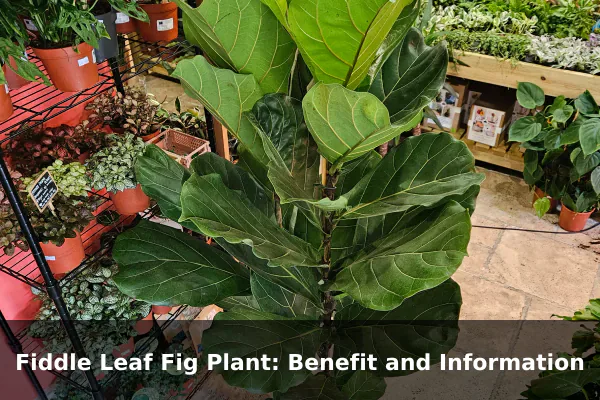
The fiddle leaf fig (Ficus lyrata) has earned its place as one of the most beloved indoor plants in modern home decor. With its dramatically large, violin-shaped leaves and tall, tree-like silhouette, this tropical plant instantly transforms any room into a lush, visually striking space.
Whether you are searching for a bold statement piece for your living room or simply want to bring a touch of nature indoors, the fiddle leaf fig offers both aesthetic appeal and a range of practical benefits. This guide covers everything you need to know — from its key characteristics and benefits to essential care tips and common problems to watch out for.
What Is a Fiddle Leaf Fig Plant?
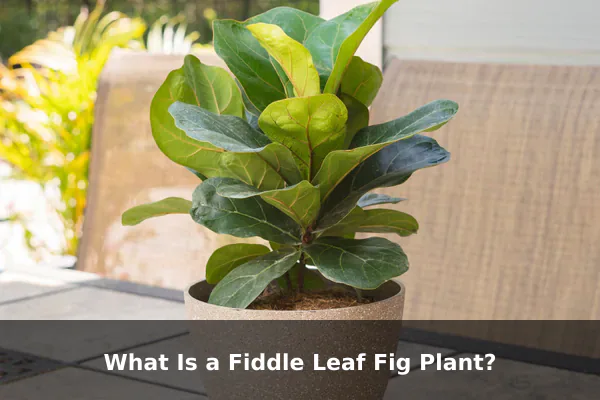
The fiddle leaf fig is a tropical plant native to the lowland rainforests of West Africa, particularly regions in Sierra Leone and Cameroon. Its scientific name, Ficus lyrata, refers to the lyre-like shape of its oversized, dark green leaves. In the wild, it grows as a tall canopy tree, but when cultivated indoors it typically reaches between 3 to 6 feet in height.
The name “fiddle leaf” comes from the distinctive shape of the leaves, which are broad at the tip and narrow slightly toward the stem — resembling the body of a fiddle or violin. This unique leaf form is one of the main reasons this plant is so recognizable and popular in interior design worldwide.
Main Benefits of Fiddle Leaf Fig Plants
Beyond its good looks, the fiddle leaf fig offers several genuine benefits for indoor spaces and the people who care for them.
Aesthetic and Decorative Value
The fiddle leaf fig is widely recognized as an interior design statement piece. Its architectural form and glossy, oversized leaves add a natural focal point to living rooms, offices, entryways, and reading corners. It pairs beautifully with minimalist, Scandinavian, bohemian, and tropical decor styles alike.
Improved Indoor Atmosphere
Greenery indoors is consistently associated with reduced stress, improved mood, and increased feelings of calm. Research on biophilic design shows that incorporating plants into living and working spaces can boost mental well-being and productivity. The tall, striking presence of a fiddle leaf fig makes it especially effective as a mood-enhancing focal point.
Air Quality Contribution
With its large leaf surface area, the fiddle leaf fig absorbs carbon dioxide and releases oxygen through photosynthesis, contributing to a slightly fresher indoor environment. While no single houseplant dramatically transforms air quality on its own, larger-leaved plants like this one play a more active role than smaller varieties.
Key Characteristics and Growth Habits
Leaf Appearance
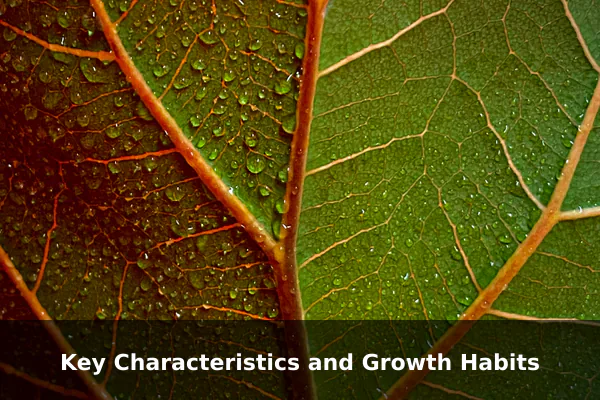
The leaves are the defining feature of this plant. Each leaf can grow up to 18 inches long and 12 inches wide, with a leathery texture, prominent veins, and a deep, glossy green color. The reflective surface catches light beautifully, adding a vibrant, living quality to any room.
Growth Pattern and Size
- Indoor height: typically 3–6 feet, occasionally reaching up to 10 feet under ideal conditions
- Growth rate: moderate, adding several inches per year with proper care
- Lifespan: can thrive indoors for many years with consistent attention
- Form: single upright trunk with a spreading canopy of large leaves, mimicking a small indoor tree
Ideal Growing Conditions
Matching the plant’s natural tropical habitat is key to keeping a fiddle leaf fig healthy and thriving indoors.
Light Requirements
This plant thrives in bright, indirect sunlight. Place it near a large window — ideally east or north-facing — where it receives plenty of diffused light without harsh direct sun, which can scorch the leaves. Avoid dark corners, as insufficient light leads to poor growth and eventual leaf drop.
Temperature and Humidity
The fiddle leaf fig prefers temperatures between 60–85°F (15–30°C) and appreciates moderate to high humidity. Keep it away from cold drafts, air conditioning vents, and heating units, which can cause the sudden environmental shifts this plant strongly dislikes.
Soil and Potting
Use a well-draining potting mix rich in organic matter. A blend formulated for tropical plants or a standard potting soil mixed with perlite works well. Always choose a pot with drainage holes to prevent waterlogging, which is the most common cause of root rot in this species.
How to Care for a Fiddle Leaf Fig
Watering
Water when the top 1–2 inches of soil feel dry to the touch. Overwatering is the single most common mistake owners make. In summer this may mean watering once a week; in winter, far less frequently. Always allow excess water to drain fully and never let the plant sit in standing water.
Fertilizing
Feed with a balanced liquid fertilizer during the growing season (spring through summer), roughly once a month. Reduce or stop fertilizing in fall and winter when growth naturally slows down.
Pruning and Leaf Cleaning
Prune to control height or shape by cutting just above a leaf node. Wipe the large leaves with a damp cloth every few weeks to remove dust buildup. Clean leaves absorb light more efficiently and look far healthier.
Rotating the Plant
Rotate your fiddle leaf fig a quarter turn every few weeks so all sides receive even light exposure. This encourages balanced, upright growth and prevents the plant from leaning noticeably toward its light source.
Common Problems and How to Fix Them
Brown Spots and Edges
Brown edges usually signal low humidity or underwatering. Brown spots in the center of leaves often point to root rot caused by overwatering. Adjust your watering schedule and consider placing a humidifier nearby during dry months.
Yellow Leaves
Yellowing leaves commonly indicate overwatering, poor drainage, or a nutrient deficiency. Check the roots — if they appear brown and mushy, repot the plant in fresh dry soil and trim away any rotten sections.
Sudden Leaf Drop
Sudden leaf drop is typically triggered by a change in environment — moving the plant to a new spot, exposure to a cold draft, or inconsistent watering. Once the plant settles into a stable location with steady care, leaf loss usually slows considerably.
Pests
Watch for spider mites, mealybugs, and scale insects, especially in dry indoor conditions. Treat at the first sign of infestation using neem oil spray or a diluted insecticidal soap solution, applying thoroughly to both sides of the leaves.
Is a Fiddle Leaf Fig Right for Your Home?
The fiddle leaf fig is a rewarding plant for those who can provide the right conditions, though it does have a reputation for being somewhat sensitive. Consider the following before bringing one home:
- You have a bright room: Consistent bright, indirect light is non-negotiable — this plant will struggle in dim spaces.
- You want a bold decorative plant: Few indoor plants match the visual impact of a tall, healthy fiddle leaf fig.
- You can water consistently: This plant does best with a regular, careful routine — neither overwatered nor neglected.
- You prefer very low-fuss plants: If you travel frequently or prefer hands-off plants, consider starting with a hardier species first.
With patience and a stable environment, even first-time growers can successfully raise a fiddle leaf fig into a stunning indoor specimen that lasts for years.
The fiddle leaf fig is far more than a passing interior design trend — it is a living statement of natural beauty that rewards attentive care with dramatic, long-lasting growth. From its bold tropical foliage and mood-boosting presence to its contribution to a fresher indoor atmosphere, this plant brings real value to any home willing to meet its needs.
