
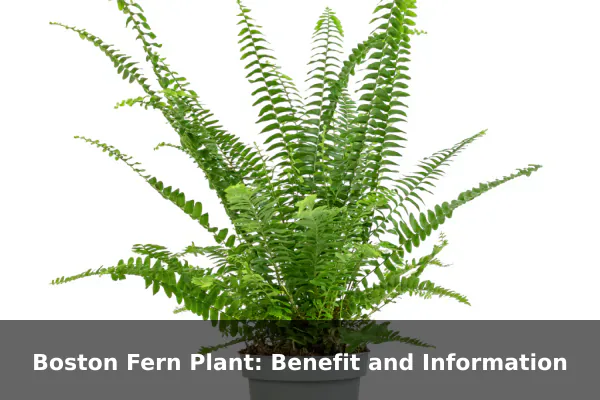
The Boston fern (Nephrolepis exaltata ‘Bostoniensis’) is one of the most recognizable ornamental ferns in homes, on shaded porches, and in cool garden corners. With its soft, arching fronds and full, feathery shape, it has been a decorating favorite for well over a century and remains a popular choice for hanging baskets and plant stands.
It helps to set realistic expectations before you bring one home. The Boston fern’s strongest benefits are decorative: lush, humidity-loving greenery and a status as a non-toxic plant for cats and dogs. Claims that it dramatically “purifies” indoor air, however, deserve a more careful look.
This guide explains what a Boston fern is, its genuine benefits, and how to keep it healthy with the right light, consistent moisture, humidity, and regular grooming of aging fronds.
What Is a Boston Fern?
The Boston fern is a cultivar of the sword fern, a tropical and subtropical species native to humid regions of the Americas and other warm parts of the world. According to university extension horticulture sources, it grows as a clumping plant with long, gracefully arching fronds made up of many small leaflets, giving it a soft, layered texture.
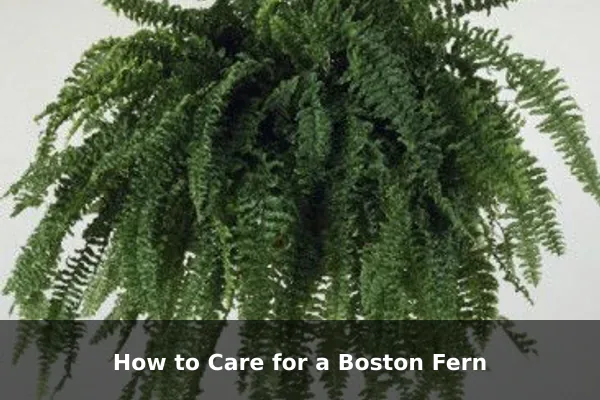
It does not flower. Like all ferns, it reproduces through spores and is grown purely for its foliage. Indoors it is most often displayed in hanging baskets, where the fronds can cascade freely, or in containers on raised stands. Mature plants can spread two to three feet wide under good conditions.

Key Benefits of Boston Fern Plants
The appeal of this fern goes beyond looks, though its decorative value is the headline benefit.
Decorative, Space-Softening Greenery
The dense, draping fronds soften hard architectural lines and add a relaxed, natural feel to rooms, entryways, and covered patios. They pair well with rustic and classic interiors alike.
Suited to Humid Spots
Many houseplants struggle in steamy bathrooms or shaded, humid corners. The Boston fern actually prefers these conditions, making it a practical choice for locations where other plants fail.
Non-Toxic to Cats and Dogs
The ASPCA lists the Boston fern as non-toxic to both cats and dogs, which makes it a reassuring option for pet households. As a general precaution, it is still wise to discourage pets from chewing any plant, since nibbling can cause mild stomach upset regardless of toxicity.
Beginner-Friendly Under the Right Conditions
When light and humidity needs are met, the Boston fern is forgiving and rewarding. The key qualifier is “the right conditions” — in a dry, dimly lit room it can be demanding.
Boston Fern and Indoor Air Quality Claims
You will often see the Boston fern promoted as an air-purifying plant. This idea traces back to a NASA study from the late 1980s that tested how certain plants removed specific pollutants inside small, sealed chambers.
That research was real, but its setup was very different from a normal home. More recent peer-reviewed analysis concludes that potted plants, in the volumes most people keep, do not meaningfully improve indoor air quality compared with simple ventilation. A balanced takeaway:
- Enjoy the Boston fern for its beauty, humidity tolerance, and pet-safe status.
- Do not rely on it as an air-cleaning device.
- For genuine air-quality improvements, prioritize ventilation and proper filtration.
Ideal Growing Conditions
Matching the plant’s preferences is the single biggest factor in keeping it lush.
Light
Provide bright, indirect light. An east-facing window or a spot near a bright window with filtered sun works well. Harsh, direct midday sun can scorch and pale the fronds.
Temperature and Humidity
Average indoor temperatures suit it, ideally in a comfortable room-temperature range without cold drafts. Humidity is critical — these ferns dislike dry indoor air, especially in heated winter rooms.
Soil and Container
Use a loose, well-draining potting mix rich in organic matter. The container must have drainage holes, since the plant likes consistent moisture but not waterlogged roots.
How to Care for a Boston Fern
Once placement is right, ongoing care is mostly about steady moisture and tidy grooming.
Watering
Keep the soil consistently and lightly moist, never bone dry and never soggy. Check the top of the soil regularly; water when it begins to feel slightly dry to the touch. Ferns are sensitive to drought stress.
Humidity Support
Boost humidity by grouping plants together, using a pebble-and-water tray, or placing the fern in a naturally humid room. Misting offers only brief, minor help.
Fertilizing
Feed lightly with a balanced houseplant fertilizer during the active growing season, following label rates. Ferns are easily over-fertilized, so err on the gentle side and pause feeding in winter.
Pruning and Repotting
Trim browned or dead fronds at the base to keep the plant attractive and encourage fresh growth. Repot when roots crowd the container, refreshing the soil at the same time.
Common Problems and Simple Fixes
Most issues are environmental rather than diseases.
- Browning frond tips: usually low humidity or dry soil — raise humidity and check watering.
- Yellowing fronds: often overwatering or poor drainage — confirm the pot drains freely.
- Dropping leaflets: common with dry air, drafts, or sudden environment changes.
- Pale, scorched growth: too much direct sun — move to brighter indirect light.
- Pests: inspect for scale, mealybugs, or spider mites, and treat early with gentle methods.
Shedding some older fronds is normal, especially after a move. Trim damaged growth and keep conditions stable.
Best Places to Display a Boston Fern
Choose spots that combine soft light with steady humidity:
- A bright bathroom where humidity stays naturally higher.
- A shaded, covered patio or porch in warm-season climates.
- Hanging baskets that let the fronds arch and cascade.
- Plant stands grouped with other humidity-loving plants.
Avoid placing it next to heating vents, frequently opened exterior doors, or in deep shade. In cold climates, move outdoor plants indoors before temperatures drop.
Is Boston Fern Right for You?
The Boston fern is an excellent match if you have a humid, brightly lit indirect-light spot and enjoy routine plant care. It rewards attention with full, graceful foliage and is reassuring for pet owners thanks to its non-toxic status.
It may feel demanding if your home is very dry, dimly lit, or if you prefer plants you can ignore for weeks. Before buying or propagating one, be honest about whether you can provide steady moisture and humidity.
Conclusion
The Boston fern earns its lasting popularity through timeless decorative appeal, comfort with humid conditions, and pet-safe status, rather than through air-purifying powers. Treat the air-quality claims with healthy skepticism and focus instead on what this fern truly offers: lush, calming greenery. Give it bright indirect light, consistent moisture, supportive humidity, and regular grooming, and a Boston fern can stay full and beautiful for many years.
Official references
- ASPCA Animal Poison Control: Boston Fern – Verifies Boston fern pet toxicity status for dogs and cats.
- University of Florida IFAS Extension: Nephrolepis exaltata Boston Fern, Sword Fern – Authoritative plant identification, growth habit, and horticultural care facts.
- University of Wisconsin Horticulture: Boston Fern – Extension reference for Boston fern origin, indoor culture, light, water, and maintenance.
- NASA Technical Reports Server: Interior Landscape Plants for Indoor Air Pollution Abatement – Primary source behind many houseplant air-purifying claims; useful for explaining limits of the original chamber-study context.
- PubMed: Potted plants do not improve indoor air quality – Peer-reviewed review that contextualizes and challenges practical indoor air-purification claims for potted plants.
