
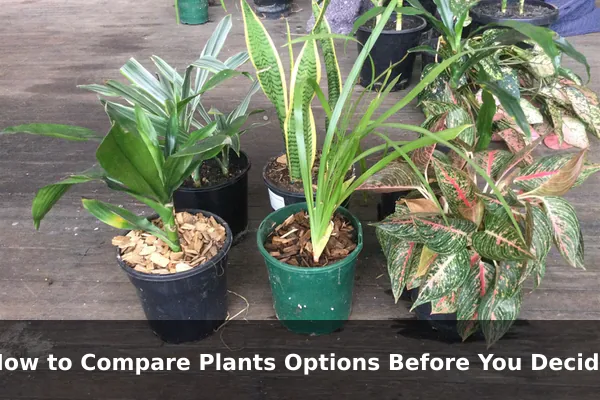
Buying a plant is easy. Choosing the right plant is harder. Many people make a decision based on color, leaf shape, or what looks good in a store display, then discover a few weeks later that the plant does not suit their space, schedule, or budget. A better approach is to compare plant options before you decide. That simple step reduces wasted money, avoids disappointment, and gives you a much better chance of long-term success.
The most useful plant is not always the trendiest one, the cheapest one, or even the prettiest one on the day you see it. The best choice is the plant that fits the job you want it to do and the conditions you can actually provide. A bright balcony, a dry office corner, a humid bathroom, and a shaded porch all ask for different plant qualities. The same is true for different owners. A busy beginner needs a different kind of plant than a careful hobbyist who enjoys pruning, feeding, and repotting.
This guide explains how to compare plant options in a practical, side-by-side way. Instead of asking which plant is best in general, you will learn how to compare plants by purpose, light, space, care level, cost, safety, growth habit, and long-term value. By the end, you should be able to narrow your options with confidence and choose a plant that works in real life, not just in theory.
Start With the Job You Want the Plant to Do
The first step is not choosing a species. The first step is defining the role the plant needs to play. When people skip this step, they compare the wrong options. A compact tabletop plant, a trailing basket plant, and a tall screening plant may all be attractive, but they are not solving the same problem.
Decorative impact and visual balance
If your main goal is style, think about the effect you want the plant to create. Do you want a bold focal point, a soft filler, a trailing accent, or a clean architectural shape? A large upright plant can anchor a room. A trailing vine can soften shelves. A compact plant can add green without taking over a desk. Comparing plants by visual role helps you avoid choosing a plant that looks appealing alone but feels awkward in the room.
Functional uses matter too
Some plants are chosen for more than appearance. You may want a low-maintenance indoor companion, a balcony herb you can harvest, a flowering option for seasonal color, or a plant that creates privacy near a window or fence. In that case, compare plants by function first. A plant meant for cooking, for example, should be judged by growth speed, harvest quality, and sunlight needs rather than only by leaf color. A plant meant to fill an empty corner should be judged by mature size and tolerance for indoor conditions.
Ask purpose-first questions
Before you compare individual options, answer these questions honestly:
- Where will the plant live most of the time?
- What job should it do there?
- Do you want foliage, flowers, fragrance, edible use, privacy, or texture?
- Is the plant meant to stay small, or do you want it to grow into a statement piece?
- Will you enjoy interacting with it often, or do you want something mostly independent?
Once the job is clear, many unsuitable options can be eliminated immediately. That makes every later comparison much easier.
Match Plant Choices to Your Growing Conditions
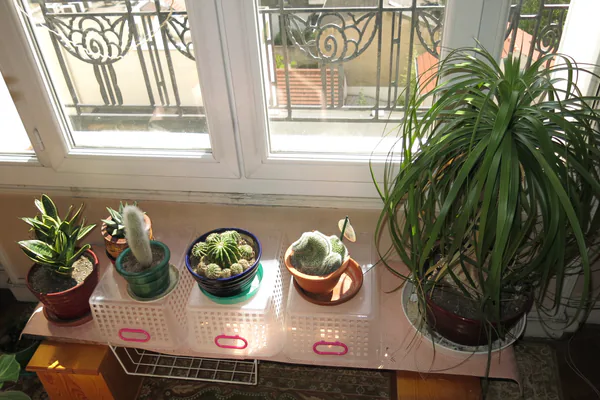
After purpose, the next filter is your environment. This is where smart plant comparisons become realistic. A plant that is perfect for one home can fail in another because the growing conditions are different. Instead of trying to change your home for a plant, it is usually wiser to choose a plant that matches your home.
Be honest about light, not hopeful about light
Light is one of the biggest decision factors. Many plant problems begin because people describe their space more generously than it really is. A room can feel bright to human eyes but still provide low light for plants. Compare options based on the exact location where the plant will sit. Check whether it gets direct sun, bright indirect light, gentle morning sun, or mostly shade. Also think about how that changes across seasons.
If you are deciding between several plants, ask which ones tolerate your actual light level, not your ideal light level. Plants that need consistent sun will struggle in dim corners. Plants that prefer filtered light may scorch in a harsh west-facing window. This single comparison can narrow your shortlist faster than any other factor.
Temperature, humidity, and airflow shape performance
Light gets most of the attention, but the surrounding climate matters too. Some plants handle dry indoor air well. Others prefer more humidity and may decline near air conditioning vents, heaters, or drafty doors. Outdoor choices also need to match wind exposure, heat intensity, and rainfall patterns. When comparing plant options, ask whether your conditions are stable or challenging. Tough conditions require tougher plants.
Airflow is often overlooked. A crowded, stale indoor corner can encourage disease and pests. An exposed balcony can dry containers quickly. A plant that seems suitable on paper may become a poor choice if your environment pushes it outside its comfort zone every day.
Space is more than floor space
Compare your options against both horizontal and vertical room. A plant may fit today but become cramped later. Consider ceiling height, distance from walls, walking paths, shelf depth, and room for leaves to spread. For outdoor plants, think about root space, nearby structures, and whether the plant will compete with existing plantings.
It also helps to compare container limits. If you only want a modest pot on a small table, a fast-growing plant that needs frequent upsizing may not be a good fit. If you are willing to repot over time, you can consider more vigorous growers.
- Check the exact placement before shopping.
- Measure the area instead of guessing.
- Compare plants by their mature light and space demands.
- Eliminate any option that would require constant environmental correction.
This stage is about realism. The right plant should work with your space, not fight it.
Compare Care Difficulty Before You Buy
One of the biggest mistakes buyers make is comparing plants as objects instead of living routines. Every plant brings a care pattern with it. If that pattern fits your habits, the plant feels easy. If it clashes with your habits, even a beautiful plant becomes stressful. Comparing care difficulty before you buy is one of the smartest ways to prevent regret.
Watering style is more important than watering frequency alone
Many shoppers ask, how often does it need water? That matters, but a better question is, how precisely must it be watered? Some plants tolerate missed waterings and bounce back well. Others dislike either drought or soggy soil and need more careful timing. Compare plant options by their margin for error. If you travel, forget sometimes, or tend to overwater, choose plants that are forgiving rather than plants that demand a perfect rhythm.
Also think about seasonality. Some plants stay fairly predictable year-round, while others change water demand significantly between warm and cool months. If you want a simple routine, compare options that keep care patterns relatively stable.
Pruning, grooming, and feeding create hidden work
Water is only one part of maintenance. Some plants drop spent blooms, stretch toward light, need staking, or require regular trimming to keep a neat shape. Others are slower and cleaner. Fertilizing needs also vary. A fast-growing plant may reward feeding but ask more from you. A slow grower may be easier to manage if you prefer a lighter routine.
When comparing plants, ask yourself whether you enjoy maintenance tasks. Some people like shaping, propagating, and repotting. Others want a plant that mostly sits there looking good. Neither preference is wrong, but your choice should match it.
Pest sensitivity and problem tolerance matter
Plants differ in how often they attract common issues such as spider mites, fungus gnats, scale, or leaf spotting. No plant is completely problem-proof, but some are clearly less troublesome in average home conditions. If you are a beginner or do not want to monitor leaves constantly, compare options by their overall toughness and recovery ability.
A useful rule is this: the easier a plant is to forgive, the better it is for uncertain routines. Plants that recover after a missed watering or a slightly dark week tend to be better long-term choices for most households than plants that decline quickly from small mistakes.
- List your real care habits, not your ideal habits.
- Compare how forgiving each plant is.
- Factor in pruning, feeding, cleaning, and pest monitoring.
- Choose the plant whose routine fits your life with the least strain.
Look at Size, Growth Habit, and Lifespan
A plant should not be judged only at the size it is sold. Nursery plants are often young, recently trimmed, and presented at their most attractive stage. A strong comparison looks ahead. You need to understand where the plant is going, not just what it looks like today.
Mature size changes the decision
A compact plant in a small pot can become surprisingly large over time. That may be a benefit if you want growth and presence, but it is a disadvantage if you have limited room. Compare the expected mature height and width of each option, especially indoors where space is fixed. A plant that eventually presses against curtains, blocks a path, or overpowers furniture may not be the right long-term choice.
On the other hand, some buyers want a full, established look quickly. In that case, a slow plant may disappoint even if it survives well. Comparing growth expectations helps align patience with outcome.
Growth habit affects placement and upkeep
Two plants can have the same mature height but behave very differently. One may grow upright. Another may trail, climb, spread, or form a dense mound. Growth habit influences how a plant uses space and how often it needs support or trimming. A climbing plant may need a pole or trellis. A trailing plant may be better for a shelf than a floor pot. A broad plant may need breathing room around it to look balanced.
This is one reason side-by-side comparison is so useful. If you are choosing for a narrow corner, compare upright forms. If you are styling a high shelf, compare trailing forms. Matching growth habit to placement often matters more than choosing the most famous plant.
Lifespan and seasonal behavior affect value
Some plants offer long-term structure and improve with age. Others shine during a particular season and then rest, slow down, or need renewal. Neither is better by default, but they create different ownership experiences. If you want continuity, compare plants that stay attractive over a long period. If you enjoy seasonal change, you can include options that flower dramatically or cycle more visibly through the year.
Thinking in years rather than days leads to better decisions. A plant that looks modest now but fits your space for years may be far better than a flashy plant that becomes unmanageable in six months.
Check Cost Beyond the Purchase Price
Price tags can be misleading. A cheap plant can become expensive if it needs frequent replacement, regular pest treatment, repeated repotting, or specialty supplies. A more expensive plant can be the better value if it lasts, grows well, and requires fewer corrections. To compare plant options properly, think in terms of total ownership cost.
Initial setup can change the real budget
The purchase price is only the starting point. You may also need a new container, saucer, soil mix, fertilizer, support stake, pruning tools, or drainage materials. If the plant is top-heavy, a sturdier pot may be necessary. If it needs a special soil blend, the ongoing cost rises. Compare options by what they require to perform well, not just by the label in the shop.
Replacement risk is part of the calculation
Some plants are affordable enough to replace, but repeated replacement still adds up. More importantly, replacing plants wastes time and discourages beginners. A slightly more expensive plant that is better suited to your conditions may save money over the long run because it survives and stays attractive. When comparing options, ask which plant gives you the best odds of success, not just the lowest starting cost.
Long-term value includes usefulness and satisfaction
Value is not only about survival. It is also about how much use and enjoyment you get from the plant. A kitchen herb that you harvest regularly may justify extra attention. A dramatic indoor plant that transforms a room may justify a higher budget if you truly have the right spot for it. Compare cost against contribution.
- Plant price
- Pot or container upgrade
- Soil or potting mix needs
- Fertilizer and routine care supplies
- Supports, trays, or protective materials
- Pest treatment risk
- Replacement probability
When buyers ignore these costs, they often choose the plant that looks cheapest today instead of the plant that is most economical over time.
Use a Simple Side-by-Side Comparison Method
Once you have a shortlist, do not rely on memory. Use a simple comparison method. This is the step that turns scattered impressions into a clear decision. You do not need a complicated spreadsheet, but you do need consistent criteria.
Keep the shortlist small
Start with two to four serious candidates. Too many options make comparison messy. Your shortlist should already fit the basic purpose and growing conditions. At this point, you are comparing good options against each other, not trying to evaluate every plant available.
Score what actually matters in your situation
Create a checklist and rate each plant on the factors that influence success in your home. You can use a simple scale such as 1 to 5. The most useful comparison categories include:
- Fit for available light
- Fit for humidity and temperature
- Watering forgiveness
- Maintenance level
- Mature size suitability
- Growth habit for the chosen spot
- Pet or child safety if relevant
- Total cost over time
- Visual fit with the room or garden
- Confidence level that you can keep it thriving
Not every category deserves the same weight. If you have pets, safety may be a deal-breaker. If you live in a very small apartment, size may matter more than fast growth. If you want something for a sunny kitchen, edible use and harvest quality may matter more than dramatic foliage.
Use elimination before preference
A practical method is to eliminate options that fail on non-negotiables before judging beauty. For example, remove any plant that does not suit your light, exceeds your space, or conflicts with your routine. Then compare the remaining choices by style and personal preference. This prevents emotional decisions from overpowering obvious red flags.
- Define the plant’s job.
- Measure the space and verify light.
- Remove plants that do not fit core conditions.
- Score the remaining options using the same checklist.
- Choose the plant with the best overall fit, not the best single trait.
Many buyers find that the winning plant is not the one they first expected. That is exactly why comparison works.
Common Mistakes When Comparing Plant Options
Even careful buyers can make weak comparisons if they focus on the wrong signals. Knowing the common mistakes helps you judge options more clearly.
Choosing only by appearance
Looks matter, but appearance alone is a poor decision tool. A plant can look perfect in a store because it has greenhouse conditions, fresh grooming, and ideal lighting. Once it enters your home, care demands matter more than showroom appeal. A strong comparison always includes environment and routine, not only visual attraction.
Ignoring mature size and growth speed
Small nursery plants create a false sense of fit. A compact purchase can become a large maintenance project. Fast growth is exciting when you have space and patience, but it becomes a burden in tight rooms or for owners who do not want frequent repotting and trimming. Always compare future size, not just present size.
Underestimating your real routine
People often buy for the person they hope to become. They imagine weekly feeding, regular leaf cleaning, and perfect watering discipline. Then work gets busy, travel happens, or attention shifts. Compare plants for the routine you already live, not the routine you imagine on a motivated day. This makes success far more likely.
Forgetting safety and household context
Pets, children, shared spaces, and allergies can all affect the right choice. A plant that is suitable in one home may be a poor fit in another. If there is any safety concern, treat it as a high-priority comparison factor rather than a small detail to check later.
- Do not compare under store conditions only.
- Do not assume all green plants are equally easy.
- Do not mistake a low price for low risk.
- Do not buy a large future plant for a small permanent spot.
- Do not skip the final fit check for household safety.
Good plant decisions are usually less emotional than people expect. The more systematic your comparison, the less likely you are to end up with the wrong plant for the right reasons.
Choose the Best Plant With Confidence
By the time you reach the final decision, the question should no longer be which plant is most popular. The real question is which plant matches your purpose, your space, your care habits, and your budget with the fewest compromises. That is what a good comparison process reveals.
Use a final decision framework
If you are stuck between two plant options, make the final choice with four questions:
- Which plant fits my actual light and space best?
- Which plant matches the amount of care I will realistically give?
- Which plant offers the best long-term value, not just the lowest price?
- Which plant still appeals to me after all practical filters are applied?
If one plant wins clearly on the first three questions, that is usually the right choice even if another option is slightly more fashionable. Good plant ownership starts with honest matching, not impulse buying.
It is fine to wait
Another useful lesson is that deciding later is sometimes better than buying now. If no option fits your conditions well, wait until you find one that does. A delayed purchase is cheaper than a failed purchase. Comparing plants properly gives you permission to be selective, and that selectiveness often leads to better results.
Learning how to compare plants options before you decide is really about making smarter, calmer choices. When you define the plant’s job, match it to your growing conditions, compare care difficulty, consider mature size, and evaluate total cost, you stop shopping on impulse and start choosing with intent. That makes the plant more likely to stay healthy, the space more likely to look balanced, and the money you spend more likely to feel worthwhile. In the end, the best plant is the one that can thrive where you live and within the way you actually care for it.
