
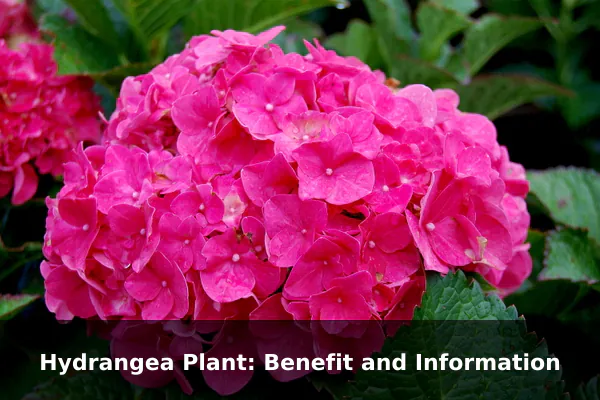
Few flowering plants capture attention quite like the hydrangea. With its large, globe-shaped flower heads and rich palette of colors — from soft pink and lavender to deep blue and crisp white — the hydrangea has earned a permanent place in gardens, patios, and floral arrangements around the world. Whether you are planning a new garden bed, looking for a statement plant for your yard, or simply curious about what makes this species so beloved, this guide covers everything you need to know.
From its botanical basics and key characteristics to its many benefits and practical care tips, this article serves as a beginner-friendly reference for anyone interested in growing or learning about the hydrangea plant.
What Is a Hydrangea Plant?
Hydrangea is a genus of flowering shrubs and small trees in the family Hydrangeaceae. Native primarily to Asia — especially Japan, China, and Korea — as well as parts of North and South America, hydrangeas have been cultivated for centuries for their ornamental value. The name comes from the Greek words for “water” (hydro) and “vessel” (angos), a reference to the cup-shaped seed capsules the plant produces.
Today, hydrangeas are among the most popular flowering shrubs used in home landscaping, formal garden design, and the cut-flower trade. They are recognized for their lush, full blooms that can last from late spring through early autumn, making them a seasonal highlight in any garden setting.
Main Characteristics of Hydrangea
Understanding the physical traits of hydrangea helps gardeners recognize the plant and choose the right variety for their space.
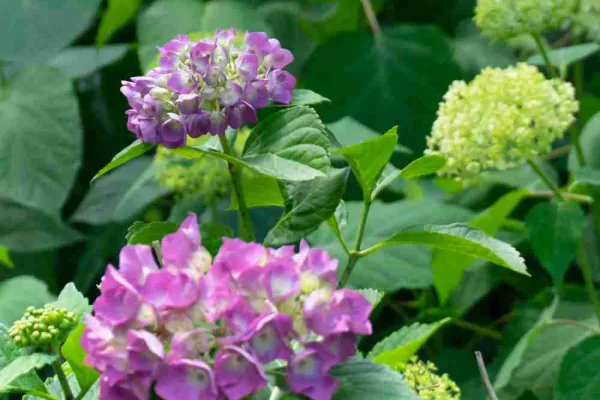
- Flowers: The most distinctive feature is the large, rounded flower cluster, known as a mophead, or the flatter lacecap style. Blooms appear in shades of white, pink, red, blue, and purple.
- Leaves: Leaves are broad, ovate, and typically dark green with a slightly rough or glossy texture depending on the variety.
- Size: Most garden hydrangeas grow between 1 and 3 meters tall, though dwarf cultivars are available for smaller spaces.
- Growth habit: Hydrangeas are deciduous shrubs, meaning they shed their leaves in winter and regrow fresh foliage each spring.
- Color change: A remarkable trait of certain varieties — particularly Hydrangea macrophylla — is the ability to shift flower color based on soil pH. Acidic soil promotes blue blooms, while alkaline soil encourages pink flowers.
Benefits of Growing Hydrangea
Beyond its obvious visual appeal, the hydrangea plant offers several practical and aesthetic advantages for home gardeners and landscape designers alike.
Ornamental and Landscape Value
Hydrangeas are prized for their ability to fill garden spaces with color and volume. A single mature shrub can produce dozens of flower heads per season, creating a dramatic focal point in any yard. Their long blooming period — often from early summer through early fall — provides months of visual interest without requiring constant replanting.
Cut Flower Use
The large flower clusters make hydrangeas excellent for cut flower arrangements. Fresh blooms last well in a vase with proper conditioning, and dried hydrangea flowers retain their shape and color for use in home décor and seasonal crafts.
Shade Garden Performance
Unlike many flowering plants that demand full sun, hydrangeas — particularly Hydrangea quercifolia and Hydrangea arborescens — perform well in partial to full shade. This makes them ideal for filling shady spots where other flowering plants struggle to thrive.
Pollinator Attraction
Lacecap varieties of hydrangea, with their flat clusters of tiny fertile flowers surrounded by larger sterile florets, attract bees, butterflies, and other beneficial pollinators, supporting garden biodiversity throughout the growing season.
Popular Hydrangea Types to Know
There are several well-known species and cultivars of hydrangea, each with distinct growth habits and ornamental qualities worth considering before you plant.
- Bigleaf Hydrangea (H. macrophylla): The most common garden type, available in mophead and lacecap forms. Known for its ability to change color based on soil pH.
- Panicle Hydrangea (H. paniculata): Produces elongated, cone-shaped flower clusters. Very hardy and tolerates more sun than other types, making it a versatile landscape choice.
- Smooth Hydrangea (H. arborescens): Native to North America and extremely cold-hardy, this species produces large white flower clusters. The cultivar ‘Annabelle’ is widely grown.
- Oakleaf Hydrangea (H. quercifolia): Named for its distinctive oak-shaped leaves, which turn red or orange in autumn. Thrives in shade and provides multi-season interest.
- Climbing Hydrangea (H. anomala petiolaris): A woody vine that attaches to walls, trellises, or trees — excellent for vertical garden structures and adding height.
Ideal Growing Conditions for Hydrangea
Choosing the right environment is essential to getting the most out of your hydrangea plant. Matching the plant’s natural preferences from the start will reduce maintenance and promote stronger blooms.
- Light: Most hydrangeas prefer morning sun with afternoon shade. In hot climates, too much direct afternoon sun can cause wilting and bloom fading.
- Soil: Rich, well-draining soil with good organic content is best. Soil pH directly affects flower color in bigleaf varieties — pH below 6 tends to produce blue flowers, while pH above 7 produces pink.
- Moisture: Hydrangeas prefer consistently moist soil. Regular watering is essential, especially during dry summer periods.
- Temperature: Most varieties are hardy across a wide range of climates depending on species. Protect tender new growth from late spring frosts.
How to Care for a Hydrangea Plant
Watering
Water hydrangeas deeply and consistently, aiming for at least two to three times per week during summer. Wilting during hot afternoon hours is normal, but persistent morning wilting signals a need to increase frequency. Mulching around the base helps retain soil moisture and regulate root temperature.
Fertilizing
Apply a slow-release balanced fertilizer in early spring as new growth begins. Avoid over-fertilizing with high-nitrogen products, which promote lush foliage at the expense of flowers. A light second application in midsummer can support continued bloom production.
Pruning
Pruning timing is critical and depends on the variety. Bigleaf hydrangeas bloom on old wood — prune only immediately after flowering ends. Panicle and smooth hydrangeas bloom on new wood and can be pruned safely in late winter or early spring without sacrificing the season’s blooms.
Common Problems and How to Prevent Them
Even a well-tended hydrangea can encounter difficulties. Being able to recognize common issues early makes them much easier to resolve.
- Wilting and drooping: Usually caused by insufficient water or excessive afternoon sun. Increase watering frequency and consider providing afternoon shade.
- No flowers: Often results from incorrect pruning timing — cutting off the buds that carry next year’s blooms — or from late frost damage. Always know your variety before pruning.
- Yellowing leaves: May indicate overwatering, poor drainage, or nutrient deficiency. Adjust watering habits and check that the pot or planting site drains freely.
- Powdery mildew: A fungal issue that appears as a white coating on leaves, often in humid or poorly ventilated conditions. Improve air circulation and apply a suitable fungicide if needed.
- Aphids and spider mites: Use insecticidal soap or a firm water spray to remove these common pests from leaves before infestations grow.
Can Hydrangea Grow in Pots or Small Gardens?
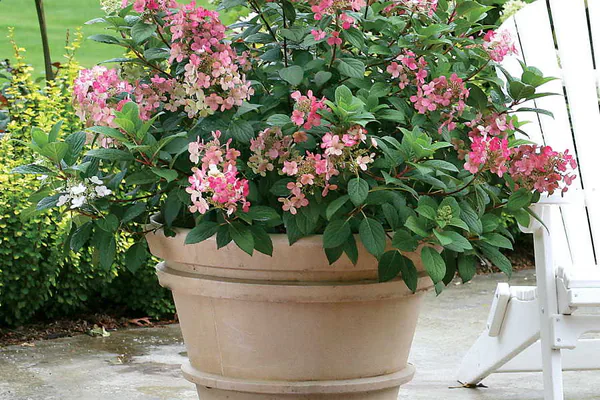
Yes — hydrangeas can be successfully grown in containers, making them suitable for balconies, patios, and compact outdoor spaces. Choose a pot at least 30 to 45 cm wide and deep with good drainage holes. Use a high-quality potting mix enriched with compost to support moisture retention and root health.
Compact cultivars such as ‘Little Lime,’ ‘Tiny Tuff Stuff,’ and ‘Incrediball Blush’ are specifically bred for container gardening and small spaces. Potted hydrangeas will need more frequent watering than ground-planted specimens and benefit from fertilizing every four to six weeks during the growing season.
Key Facts Before Planting Hydrangea
Before you buy or plant a hydrangea, keep these practical points in mind to set your plant up for long-term success.
- Know your variety — different hydrangea species have different pruning rules, light requirements, and cold hardiness levels.
- Test your soil pH if you want to influence flower color in bigleaf hydrangea varieties.
- Plant in spring or autumn for the easiest establishment with less heat stress.
- Provide consistent moisture, especially in the first year after planting while roots establish.
- All parts of the hydrangea plant are mildly toxic if ingested — keep away from pets and small children.
- Expect the plant to take one to two seasons to establish before producing its most impressive blooms.
With its striking flower clusters, adaptable nature, and multi-season appeal, the hydrangea plant is one of the most rewarding choices for gardeners of all experience levels. Whether planted in a sunny border, a shaded garden corner, or a container on your porch, a well-chosen hydrangea can transform your outdoor space and deliver years of beautiful blooms with the right care and conditions.
