
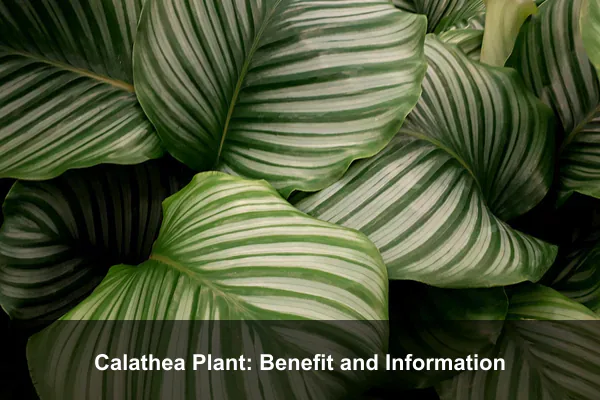
The Calathea plant has become one of the most beloved tropical houseplants for its bold, patterned foliage and graceful character. With leaves that resemble hand-painted artwork, Calathea brings a touch of the rainforest into any room, making it a favorite among collectors, decorators, and beginner plant parents alike.
Beyond its beauty, Calathea is famous for its nyctinastic movement, where leaves rise and fold gently at night as if in prayer. This natural rhythm, combined with its lush appearance and calming presence, makes it a uniquely engaging houseplant worth understanding before you bring one home.
What Is a Calathea Plant?
Calathea is a genus of tropical perennials native to the Americas, particularly the Amazon rainforest. It belongs to the Marantaceae family, often called the prayer plant family, due to the way the leaves move with the day-night cycle. The plant is grown almost exclusively for its striking foliage rather than its flowers, which are usually modest indoors.
Distinctive Foliage and Movement
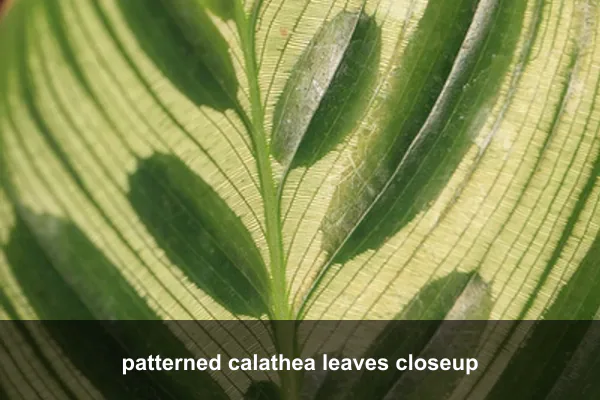
Calathea leaves come in a remarkable range of patterns, stripes, brushstrokes, and color contrasts of green, cream, pink, and deep purple undersides. This unique combination of decorative leaves and gentle motion gives the plant a living, breathing personality that few other houseplants can match.
Key Benefits of Growing Calathea Indoors
Calathea is more than a pretty face. It offers several practical and emotional benefits that make it a worthy addition to your indoor space.
- Aesthetic appeal: Its patterned leaves act as a natural piece of art, instantly elevating shelves, desks, and corners.
- Calming atmosphere: Caring for Calathea encourages mindfulness, and its lush greenery creates a relaxing environment.
- Pet-friendly: Calathea is generally considered non-toxic to cats and dogs, a major plus for animal lovers.
- Humidity companion: It thrives in humid setups, pairing nicely with ferns and other tropical plants for a mini indoor jungle.
- Fresh, tropical decor: It makes a room feel more vibrant and connected to nature without dominating the space.
Popular Calathea Varieties to Know
The Calathea genus includes dozens of cultivars, each with its own visual signature. Knowing a few favorites helps you choose the right look for your space.
Calathea ornata (Pinstripe Calathea)
Dark green leaves brushed with delicate pink or white stripes that look almost painted on by hand.
Calathea roseopicta (Medallion)
Large, rounded leaves with feather-like silver patterns and deep purple undersides, perfect as a statement plant.
Calathea makoyana (Peacock Plant)
Translucent leaves featuring intricate dark-green markings that resemble peacock feathers.
Calathea lancifolia (Rattlesnake Plant)
Long, wavy leaves with alternating dark-green spots, one of the easier varieties for beginners.
Ideal Growing Conditions for Calathea
To enjoy a thriving Calathea, you need to recreate a slice of its rainforest home. Fortunately, that is easier than it sounds.
- Light: Bright, indirect light is ideal. Avoid direct sun, which scorches the leaves and fades patterns.
- Temperature: Keep it between 18-27°C (65-80°F). Cold drafts and sudden temperature drops cause stress.
- Humidity: Aim for 50-60% or higher. A humidifier, pebble tray, or grouping with other plants helps.
- Soil: A well-draining mix with peat or coco coir and perlite keeps roots happy.
How to Care for a Calathea Plant
Calathea has a reputation for being a little dramatic, but consistent care turns it into a rewarding companion.
Watering
Keep the soil lightly moist, never soggy or bone dry. Water when the top 2-3 cm feels dry. Use filtered, distilled, or rainwater, because Calathea is sensitive to chlorine, fluoride, and hard tap water that cause crispy leaf edges.
Humidity and Leaf Care
Mist with caution, as standing droplets can invite fungal spots. A humidifier is the safer choice. Wipe the leaves gently with a damp cloth every few weeks to remove dust and keep them photosynthesizing efficiently.
Fertilizing and Repotting
Feed lightly with a balanced liquid fertilizer at half strength once a month during spring and summer. Repot every 1-2 years in spring, using a slightly larger pot only when roots fill the current one.
Placement Tips
- Place near an east-facing window for soft morning light.
- Keep away from heating vents, air conditioners, and cold windowsills.
- Bathrooms with windows are excellent due to natural humidity.
Common Calathea Problems and Simple Fixes
Most Calathea issues are signs of environmental imbalance rather than disease. Reading the leaves carefully helps you respond quickly.
- Curled leaves: Usually underwatering or low humidity. Check the soil and boost moisture in the air.
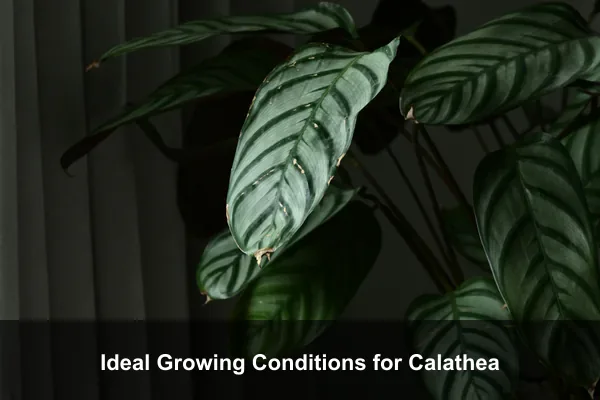
- Brown crispy edges: Often caused by tap water minerals or dry air. Switch to filtered water and raise humidity.
- Yellowing leaves: Commonly overwatering. Let the topsoil dry slightly and ensure the pot drains well.
- Faded patterns: Too much direct sunlight. Move the plant to a shadier spot.
- Pests: Spider mites and thrips can appear in dry conditions. Wipe leaves and treat with insecticidal soap or neem oil.
- Root rot: Caused by soggy soil. Trim mushy roots, refresh the soil, and adjust your watering schedule.
Is Calathea the Right Plant for You?
Calathea suits plant lovers who enjoy a bit of routine and want decorative foliage that responds visibly to good care. It is an excellent choice if you have:
- A spot with bright, filtered light away from harsh sun.
- A naturally humid home or willingness to use a humidifier.
- Pets in the house, since Calathea is considered non-toxic.
- Patience to learn the plant’s signals through its leaves.
If your home is extremely dry, dim, or you travel often, a more forgiving plant might serve you better. But for those willing to engage, Calathea rewards consistency with stunning, ever-changing beauty.
Final Thoughts on Calathea Plant Benefits and Care
The Calathea plant stands out as one of the most decorative and personality-filled houseplants you can grow. Its patterned leaves bring artistry into your home, its nightly movement adds a sense of wonder, and its pet-friendly nature makes it a welcoming choice for almost any household.
By offering bright indirect light, consistent humidity, clean water, and attentive watering, you can enjoy a healthy Calathea that thrives for years. Treat it as a living decoration that communicates through its leaves, and you will find it to be one of the most rewarding plants in your collection.
