
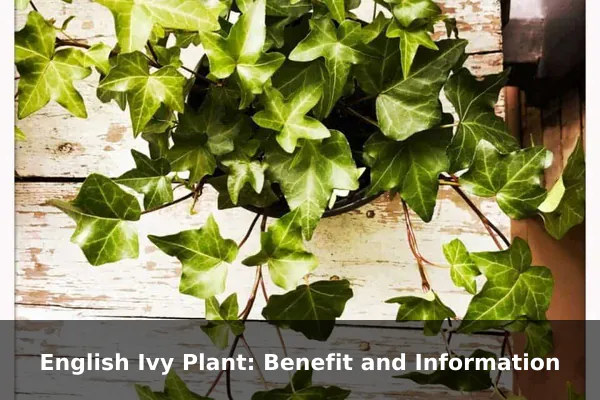
English ivy (Hedera helix) is one of the most recognizable evergreen climbers in the world, draping garden walls, covering forest floors, and trailing gracefully from indoor pots. Its glossy, lobed leaves and easy-going nature have made it a classic ornamental for centuries, while modern research has also examined its potential role in improving indoor air quality.
Yet behind the romantic, storybook appearance lies a more complex plant. English ivy is mildly toxic to people and pets, can irritate the skin, and is considered invasive in several regions. This guide brings together verified botanical facts, honest benefits, and practical care basics so you can decide whether Hedera helix belongs in your home or garden.
What Is English Ivy (Hedera helix)?
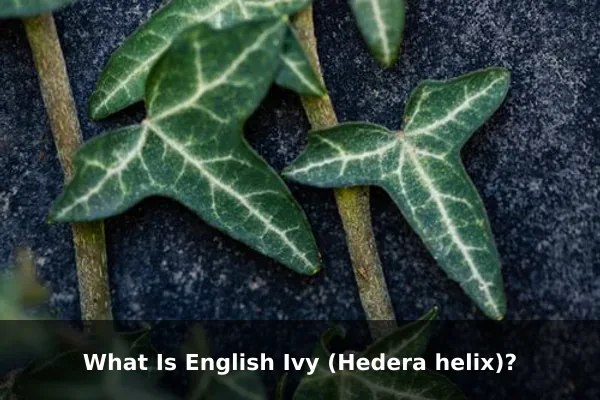
English ivy is a woody evergreen vine in the family Araliaceae, native to most of Europe and western Asia. According to the Royal Horticultural Society and the Missouri Botanical Garden, it climbs by means of small aerial rootlets that cling to bark, stone, brick, and trellises, and it can also spread horizontally as a dense ground cover.
Juvenile and Mature Forms
One of the more interesting features of Hedera helix is that it produces two distinct leaf forms. Juvenile vines carry the familiar three- to five-lobed leaves and rarely flower. Once the plant reaches a sunny, vertical position and matures, it shifts to unlobed, oval leaves and produces small greenish-yellow flowers in autumn, followed by dark berries.
Classification and Distribution
The USDA PLANTS Database lists Hedera helix as introduced and naturalized across large parts of the United States. It is generally hardy in USDA zones 4 to 9, though specific tolerance varies by cultivar.
Key Benefits of Growing English Ivy
English ivy has earned its long-standing popularity through a mix of ornamental, functional, and ecological qualities. Many of the benefits below are well documented, while others should be read with reasonable caution.
Ornamental and Architectural Value
- Evergreen coverage: Provides year-round green color on walls, fences, and containers.
- Versatile habit: Works as a climber, trailer, topiary subject, or hanging basket plant.
- Cultivar variety: Variegated forms like ‘Glacier’ and small-leaved types like ‘Needlepoint’ suit different design styles.
Ground Cover and Erosion Control
In shaded landscape areas where lawns struggle, English ivy can form a dense mat that suppresses weeds and helps stabilize soil on slopes. The RHS notes its usefulness for difficult, shady spots, though responsible placement is essential because of its vigor.
Indoor Air-Quality Research Context
English ivy was among the species tested in the NASA Clean Air Study, which examined the ability of common houseplants to remove volatile organic compounds such as formaldehyde and benzene in sealed laboratory chambers. While the findings popularized ivy as an “air-purifying plant,” later reviews suggest that the real-world impact of a few potted plants in a typical ventilated room is modest. A reasonable takeaway is that ivy can be a pleasant addition to a healthy indoor environment, but it should not replace proper ventilation.
How to Grow and Care for English Ivy
One of the reasons gardeners keep returning to Hedera helix is its forgiving nature. With the right light and watering rhythm, it will reward minimal attention with steady growth.
Light and Placement
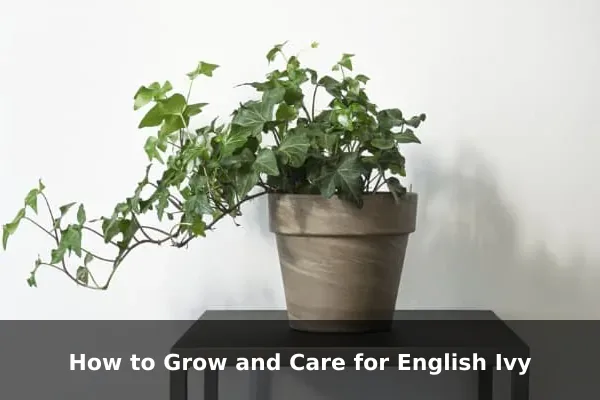
English ivy tolerates a wide light range. Outdoors, it prefers partial to full shade, while indoors it thrives in bright, indirect light. Variegated cultivars usually need more light to keep their patterns crisp; plain green types are more shade tolerant.
Soil, Watering, and Humidity
- Soil: Well-drained, moderately fertile mix; loam or a quality houseplant blend works well.
- Watering: Keep soil lightly moist in the growing season and let the top inch dry between waterings indoors. Avoid waterlogging, which causes root rot.
- Humidity: Average household humidity is acceptable, but ivy looks its best with occasional misting or grouped placement.
- Temperature: Cool to moderate temperatures (around 50–70°F / 10–21°C) suit it best; very hot, dry air invites pests.
Pruning and Training
Regular trimming keeps indoor ivy bushy and prevents bare, leggy stems. Outdoors, prune at least once a year to control spread, remove dead growth, and keep the plant away from roofs, gutters, and tree trunks.
Common Problems and Pests
While generally robust, English ivy is prone to a few recurring issues, particularly indoors and during dry indoor winters.
- Spider mites: The most common indoor pest; show up as fine webbing and stippled leaves in dry air.
- Aphids and scale: Cluster on new growth and stems; wipe off with insecticidal soap.
- Leaf spot and powdery mildew: Often linked to poor airflow or wet foliage.
- Brown, crispy leaf tips: Usually caused by low humidity, underwatering, or excess fertilizer salts.
If an indoor ivy declines despite care, moving it to a cooler, brighter spot and rinsing the foliage often helps it recover.
Toxicity and Safety: Pets, Children, and Skin
This is where English ivy moves from charming to genuinely cautionary. The ASPCA lists Hedera helix as toxic to dogs, cats, and horses. Ingestion can cause symptoms such as drooling, vomiting, abdominal pain, and diarrhea due to triterpenoid saponins in the leaves and stems.
Skin Irritation in People
Sap from English ivy can cause contact dermatitis in sensitive individuals, with redness, itching, or blistering. Wearing gloves and long sleeves when pruning is a sensible precaution.
Safer Placement Tips
- Hang ivy out of reach of pets and small children.
- Sweep up any fallen leaves promptly.
- If ingestion is suspected, contact a veterinarian or poison control center immediately.
For households with curious pets, low-toxicity alternatives such as Boston fern or spider plant may be a better fit.
Invasive Concerns and Responsible Use Outdoors
Outside of its native range, English ivy can be aggressively invasive. In parts of the United States, particularly the Pacific Northwest and Mid-Atlantic, it is listed as a problem species. Vigorous growth can smother shrubs, blanket native ground cover, and climb high into trees, where the added weight and wind load may damage limbs.
Responsible Practices
- Check your state or regional invasive species lists before planting outdoors.
- Keep ivy away from mature trees and natural woodland edges.
- Cut climbing stems at the base of tree trunks to release the canopy.
- Consider native or non-invasive alternatives such as Pachysandra procumbens, native sedges, or regional evergreen ground covers.
Quick Facts and Buying Tips
Use this short summary as a checklist before bringing English ivy home.
- Botanical name: Hedera helix
- Family: Araliaceae
- Habit: Evergreen climbing or trailing vine
- Hardiness: Generally USDA zones 4–9 (varies by cultivar)
- Light: Bright indirect indoors; partial to full shade outdoors
- Popular cultivars: ‘Glacier’, ‘Needlepoint’, ‘Goldchild’, ‘Buttercup’
- Toxicity: Toxic to dogs, cats, and horses (ASPCA)
What to Check Before Buying
- Inspect leaves for webbing, sticky residue, or mottling that suggest pests.
- Choose a plant with full growth from the base, not just long bare stems.
- Ask whether the cultivar is suitable for indoor culture or only landscape use.
- Confirm regional regulations if you intend to plant outdoors.
Conclusion
English ivy is a plant of contrasts: classic and dependable, yet quietly demanding of respect. Its evergreen foliage, easy propagation, and long history in horticulture make it a worthy choice for shaded gardens, balconies, and bright indoor corners. At the same time, its toxicity to pets and its invasive potential outdoors mean that thoughtful placement is essential.
Approached with care, Hedera helix can be a beautiful, low-effort companion that softens architecture and adds living texture to a room. Lean on trusted sources such as the RHS, Missouri Botanical Garden, USDA, and ASPCA for ongoing guidance, and your English ivy can thrive for many years without becoming a problem for your household or your local ecosystem.
Official references
- NASA Clean Air Study (ntrs.nasa.gov) – NASA's foundational research on houseplants (including English ivy) and indoor air quality / VOC removal
- Royal Horticultural Society – Hedera helix – Authoritative horticultural reference for English ivy cultivation, care, and identification
- Missouri Botanical Garden – Hedera helix – Trusted botanical reference for Hedera helix taxonomy, growing conditions, and characteristics
- USDA PLANTS Database – Hedera helix – Official US government plant profile including distribution, classification, and invasive status
- ASPCA – Toxic and Non-Toxic Plants: English Ivy – Authoritative reference on English ivy toxicity to pets (dogs, cats, horses)
