
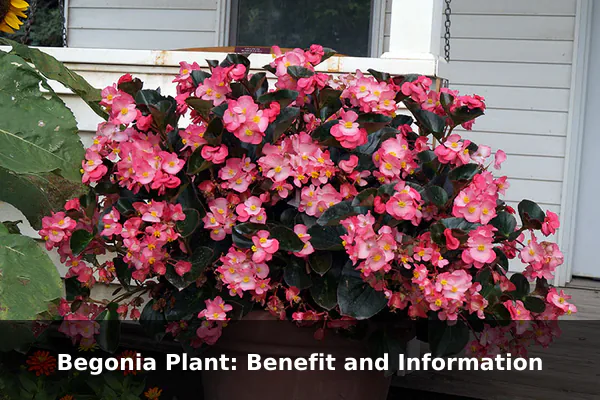
Begonia is one of the most beloved ornamental plants in the world, celebrated for its vibrant flowers, striking foliage, and remarkable adaptability. Whether you are decorating a living room, brightening a shaded garden corner, or filling a balcony container, begonias offer a rich variety of colors and forms to match nearly any setting. With over 2,000 known species, the begonia genus is one of the largest in the entire plant kingdom.
What makes begonias especially appealing to both gardeners and plant enthusiasts is the combination of beauty and relative ease of care. Unlike many flowering plants that demand very specific conditions to thrive, begonias are forgiving, flexible, and available in sizes ranging from compact desk plants to sprawling garden specimens. This guide covers what begonias are, their main benefits, popular types, essential care information, and troubleshooting tips to help you grow them successfully.
What Is a Begonia Plant?
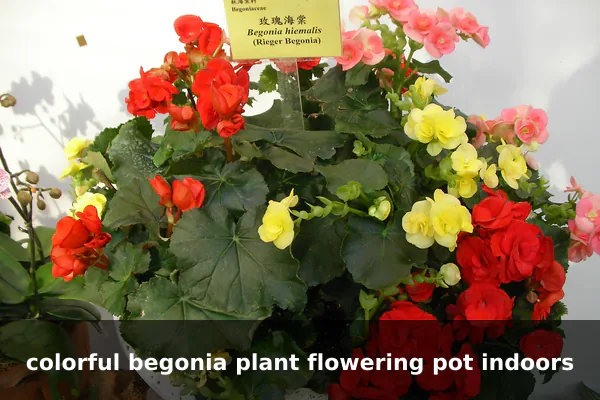
Begonias (genus Begonia) are flowering plants native to tropical and subtropical regions across South America, Africa, and Asia. They belong to the family Begoniaceae and are characterized by their asymmetrical leaves, fleshy stems, and showy blooms in shades of red, pink, white, orange, and yellow. Their foliage is equally varied — some species display deep jewel-toned leaves with metallic sheens, while others feature bold patterns of silver and green.
Begonias are classified as annuals, perennials, or tender perennials depending on the climate. In frost-free zones they often grow as perennials, while in cooler regions they are treated as seasonal annuals or brought indoors during winter. They are successfully grown in gardens, containers, hanging baskets, and as houseplants worldwide.
Main Benefits of Begonia Plants
Decorative Appeal
Begonias offer year-round visual interest through their colorful flowers and ornamental foliage. They are popular for adding warmth and color to indoor spaces, patios, and shaded garden beds where few flowering plants thrive as reliably. Their wide range of bloom colors and leaf patterns means they complement virtually any interior or exterior design style.
Versatility for Indoors and Outdoors
Few plants adapt as seamlessly across environments as begonias. They perform well on windowsills, in containers on shaded decks, and as ground cover in garden beds with indirect sunlight. This versatility makes them ideal for urban gardeners working with limited space, as well as those with larger garden areas seeking reliable seasonal color.
Mood and Well-Being
Like most flowering houseplants, begonias contribute to a more pleasant living environment. Their bright colors stimulate a positive mood, and the routine of caring for them provides a calming, mindful activity — a widely recognized benefit of indoor gardening in general.
Beginner-Friendly Choice
Begonias are forgiving plants that tolerate minor care mistakes such as inconsistent watering or brief temperature fluctuations. This makes them an excellent choice for beginner gardeners building confidence, as well as experienced growers looking for low-effort color in shady spots.
Popular Types of Begonia to Know
- Wax Begonias (Begonia semperflorens): The most common garden variety. Compact, bushy, and prolific bloomers with glossy leaves. Excellent for borders, bedding, and containers throughout the warm season.
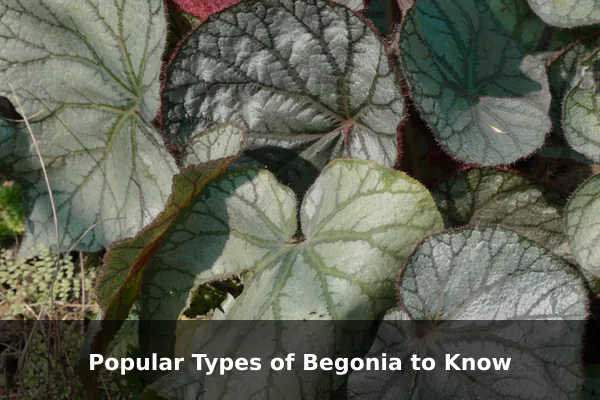
- Rex Begonias: Prized for their dramatic, patterned foliage in colors ranging from burgundy to silver and deep purple. Primarily grown as houseplants for their leaves rather than their small flowers.
- Tuberous Begonias: Produce large, showy blooms and are especially popular for hanging baskets and summer container gardens. They grow from tubers and go dormant in winter.
- Cane Begonias (Angel Wing Begonias): Tall plants with bamboo-like stems and wing-shaped leaves. They produce pendulous clusters of flowers and grow well indoors with bright indirect light.
- Rhizomatous Begonias: Grown primarily for their textured and patterned leaves. They spread via horizontal rhizomes and prefer shallow, wide containers with good drainage.
Ideal Growing Conditions for Begonias
Light Requirements
Most begonias prefer bright, indirect light. Direct afternoon sun can scorch their leaves, while too little light reduces flowering and causes leggy, weak growth. East- or north-facing windowsills are ideal indoors. Outdoors, begonias thrive in dappled shade or sheltered spots with gentle morning sun.
Temperature and Humidity
Begonias prefer temperatures between 60–75°F (15–24°C). They are frost-sensitive and should be brought indoors before temperatures drop below 50°F (10°C). They appreciate moderate to high humidity — placing a tray of pebbles filled with water near the pot or misting the surrounding air (not the leaves) helps in dry indoor environments.
Soil and Potting
Use a light, well-draining potting mix rich in organic matter. A blend of standard potting soil with added perlite works well to prevent waterlogging. Begonias dislike sitting in wet soil, so pots with drainage holes are essential for healthy root development.
How to Care for a Begonia Plant
Watering
Water when the top inch of soil feels dry to the touch. Avoid overwatering — begonias are susceptible to root rot, which is one of the most common causes of plant failure. In winter, reduce watering frequency as the plant’s growth slows significantly.
Fertilizing
Feed with a balanced, water-soluble fertilizer every two weeks during the growing season (spring and summer). A fertilizer with a higher phosphorus content encourages more prolific flowering. Reduce or stop feeding in autumn and winter when growth is minimal.
Pruning and Deadheading
Pinch back leggy stems to encourage bushier, more compact growth and additional blooms. Remove spent flowers and yellowing leaves regularly to keep the plant healthy, tidy, and to redirect energy toward new growth.
Repotting
Repot every one to two years, or when roots begin circling the base of the pot. Choose a container only slightly larger than the current one, as begonias prefer slightly snug root conditions rather than oversized pots that retain excess moisture.
Common Begonia Problems and How to Fix Them
- Yellow leaves: Often caused by overwatering or poor drainage. Allow the soil to dry slightly between waterings and ensure the pot drains freely after each watering session.
- Leggy, weak growth: A result of insufficient light. Move the plant closer to a bright window or supplement natural light with a grow light during darker months.
- Powdery mildew: A fungal issue common in humid, low-airflow conditions. Improve air circulation around the plant and avoid wetting the leaves when watering.
- Mealybugs and spider mites: Treat affected plants with insecticidal soap or diluted neem oil. Inspect plants regularly, especially on the undersides of leaves where pests prefer to hide.
- Leaf drop: Usually triggered by sudden temperature changes or cold drafts. Keep begonias away from air conditioning vents, heating units, and cold windowpanes in winter.
How to Propagate Begonia Plants
Begonias are among the easiest plants to propagate, making them ideal for expanding a collection or sharing with other gardening enthusiasts. The best method depends on the variety you are growing.
- Stem cuttings: Cut a 3–4 inch stem just below a leaf node, remove the lower leaves, and place it in water or moist potting mix. Roots typically develop within two to four weeks under warm, bright conditions.
- Leaf cuttings: Best suited for rex and rhizomatous varieties. Place a healthy leaf with its stalk inserted into moist soil. New plantlets will emerge from the base of the stalk over several weeks.
- Division: Suitable for clumping types with established root systems. Carefully separate root clumps during repotting and pot each division individually in fresh potting mix.
Begonia Plant Quick Facts Before You Buy
- Maintenance level: Low to moderate
- Light: Bright indirect light preferred; tolerates partial shade
- Watering: Moderate — allow the top inch of soil to dry between waterings
- Growth habit: Compact to medium depending on variety
- Flowering season: Most types bloom from spring through autumn
- Toxicity: Mildly toxic to cats and dogs — keep out of reach of pets
- Best suited for: Containers, shaded garden beds, indoor windowsills, and hanging baskets
Begonias are a rewarding addition to any plant collection. Their combination of ornamental beauty, manageable care requirements, and wide variety of forms means there is a begonia suited to nearly every grower and every space. Whether you are drawn to the bold foliage of rex begonias or the cheerful blooms of wax begonias, starting with one plant often leads to a growing collection. With the right light, well-draining soil, and careful watering, your begonia will reward you with lasting color and vitality throughout the growing season.
