
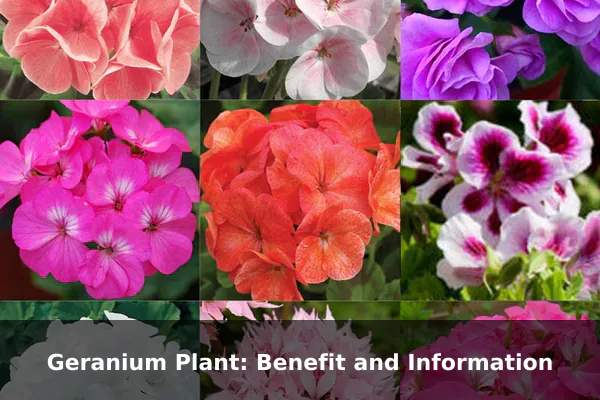
Geranium plants are among the most beloved flowering plants in home gardens and patios around the world. With their cheerful clusters of blooms, rich variety of colors, and surprisingly easy-going nature, they have earned a permanent place in both beginner and experienced gardeners’ collections. Whether grown in hanging baskets, window boxes, or garden beds, geraniums add lasting color and charm through much of the growing season.
Despite their popularity, many gardeners are not fully aware of everything the geranium plant offers. Beyond its ornamental appeal, this plant supports pollinators, tolerates some neglect, and suits a wide range of garden styles. This guide covers the key benefits of growing geraniums, what to expect from them, and how to keep them healthy and blooming.
What Is a Geranium Plant?
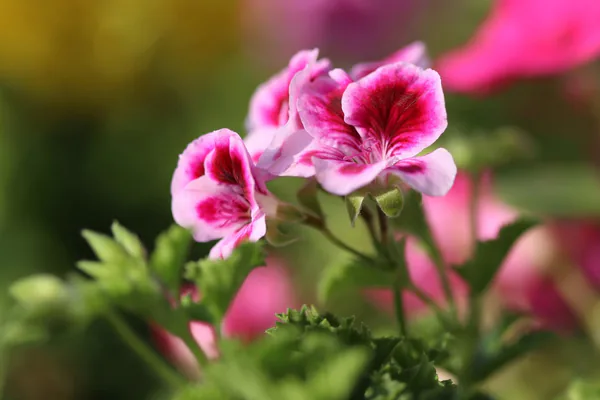
When most people say geranium, they are referring to Pelargonium — a genus of flowering plants originally from South Africa that became widely popular as ornamental plants in Europe and North America. True geraniums (Geranium genus, also called cranesbills) are a separate group, though both are closely related and share some similar traits.
Common types of geraniums grown at home include:
- Zonal geraniums (Pelargonium x hortorum) — the classic garden type with round, colorful flower clusters
- Ivy-leaf geraniums (Pelargonium peltatum) — trailing stems ideal for hanging baskets
- Scented geraniums (Pelargonium graveolens and others) — grown mainly for their fragrant leaves
- Regal geraniums (Pelargonium x domesticum) — larger, showier flowers often kept as indoor plants
For most home gardeners, the term geranium means the reliable, colorful zonal type that thrives in containers and garden borders. Understanding which type you have helps you give it the best possible care.
Main Benefits of Geranium Plants
Geranium plants offer several practical and aesthetic benefits that make them worth growing, whether you have a large garden or a single balcony pot.
Long Blooming Season
One of the biggest advantages of geraniums is how long they flower. Under good conditions, they can bloom from spring through fall — sometimes nearly continuously — giving gardens months of color without constant replanting or replacing spent plants.
Wide Range of Colors
From bright red and deep pink to white, salmon, and lavender, geraniums come in enough color options to suit nearly any garden palette. This variety allows them to be mixed with other plants or used as bold standalone specimens in beds and containers.
Pollinator Support
Geranium flowers attract bees and butterflies, making them a useful addition to any pollinator-friendly garden. Regular blooming means a steady food source throughout the season, supporting local insect populations without extra effort on the gardener’s part.
Fragrance Value
Scented-leaf geraniums are especially prized for their aromatic foliage, which can smell like roses, lemon, mint, or even chocolate depending on the variety. Their fragrance makes them popular in herb gardens and as natural air fresheners on patios and balconies.
Container Friendly
Geraniums adapt well to pots, hanging baskets, and window boxes. Their compact size and tolerance for occasional dryness make them ideal for small spaces, apartment balconies, or any setting where in-ground planting is not possible.
Geranium Plant Characteristics
Understanding what geraniums look like and how they grow helps in choosing the right spot and style for them in your garden or home.
- Height: Most zonal geraniums reach 30–60 cm (12–24 inches)
- Flowers: Rounded clusters of five-petaled flowers in many colors
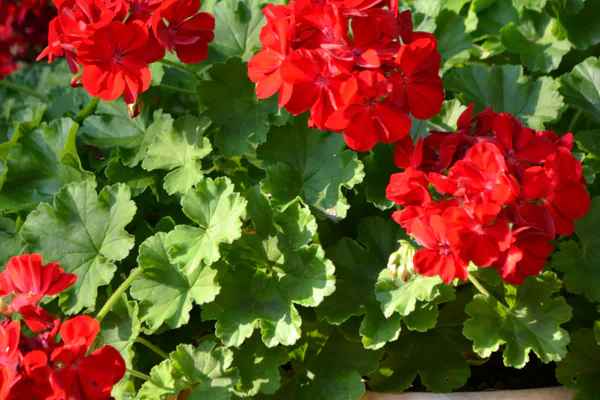
- Leaves: Rounded, often with a darker ring or zone pattern in zonal types; aromatic in scented types
- Growth habit: Upright (zonal), trailing (ivy-leaf), or spreading (true geranium)
- Season: Typically grown as annuals in temperate climates; perennials in warm zones
The distinct leaf markings on zonal geraniums add visual interest even when the plant is not in bloom, making them a multi-season ornamental choice suitable for mixed borders and container displays alike.
Best Growing Conditions for Geraniums
Giving geraniums the right environment makes a significant difference in how well they bloom and how long they stay healthy through the season.
Sunlight
Geraniums prefer full sun to partial shade. At least six hours of direct sunlight daily produces the best and most abundant flowers. In very hot climates, afternoon shade can prevent heat stress and prolong the flowering period.
Temperature
They grow best between 15–25°C (60–80°F). Geraniums are frost-sensitive and should be brought indoors or treated as annuals in regions with cold winters. In warm climates they can survive year-round outdoors.
Soil and Watering
Well-draining, slightly fertile soil is ideal. Geraniums do not like waterlogged roots, so a mix of regular potting soil with added perlite works well in containers. Overwatering is the most common mistake with geraniums — allow the top layer of soil to dry out slightly between waterings to avoid root rot.
How to Care for a Geranium Plant
Routine care keeps geraniums healthy and encourages continuous flowering throughout the growing season.
Watering and Fertilizing
Water thoroughly, then let the soil dry slightly before watering again. Feed with a balanced liquid fertilizer every two to four weeks during the growing season. Reduce feeding in winter if the plant is kept indoors and growth slows down.
Deadheading and Pruning
Removing spent flower heads — known as deadheading — is one of the most effective ways to keep geraniums blooming. Pinch or cut off faded blooms just below the flower cluster to encourage new growth. Leggy or overgrown plants also respond well to light pruning; cut stems back by about one-third in late summer or early spring to maintain a compact, bushy shape.
Repotting
Container geraniums may need repotting every one to two years when roots fill the pot. Move them into a container one size larger using fresh potting mix to give roots room to expand and improve overall plant health.
Common Problems and How to Prevent Them
Geraniums are generally resilient, but a few common issues can affect their health and appearance if not addressed early.
Overwatering and Yellow Leaves
Yellow, mushy stems near the base are usually signs of overwatering. Always use well-draining soil and pots with drainage holes. Yellow leaves without soft stems may instead indicate underfeeding or too little light — check all conditions systematically before assuming a single cause.
Pests
Common pests that affect geraniums include:
- Aphids — treat with a mild soap spray applied directly to affected areas
- Whiteflies — use sticky traps or insecticidal soap to reduce populations
- Spider mites — increase humidity and apply neem oil if needed
Poor Flowering
If blooms are sparse, the plant likely needs more sunlight or a phosphorus-rich fertilizer to boost flower production. Moving a pot-grown geranium to a sunnier position is often the simplest fix.
How to Grow Geraniums in Pots or Garden Beds
Both container planting and in-ground growing suit geraniums well, and the best method depends on your space and goals.
For containers, choose a pot at least 20–25 cm (8–10 inches) wide with drainage holes. Fill with well-draining potting mix, plant at the same depth as the nursery pot, and water thoroughly. Container plants may need watering more frequently than in-ground ones, especially in hot weather, as pots dry out faster.
For garden beds, space geraniums 25–35 cm (10–14 inches) apart in a spot with full sun and good drainage. Amend heavy clay soils with compost to improve drainage before planting. Garden bed geraniums tend to need less frequent watering than those in containers and can spread to form attractive, colorful drifts over a season.
Containers are best for those with limited space or who want to move plants indoors for winter. Garden beds allow for larger, more dramatic displays and generally require less daily maintenance once established.
Is the Geranium Plant a Good Choice for Beginners?
Yes — geraniums are widely considered one of the best plants for beginner gardeners. They tolerate a range of conditions, forgive occasional neglect, and reward basic care with abundant blooms over a long season. Their adaptability to both containers and garden beds makes them flexible for many living situations, and their wide color range means there is a variety to suit nearly any taste or garden style.
Whether you want color on a balcony, a cheerful border plant, or a fragrant addition to a patio, the geranium plant delivers reliably. For anyone looking to start a flowering garden with a plant that is attractive, manageable, and genuinely rewarding, geraniums remain one of the most practical and satisfying choices available.
