
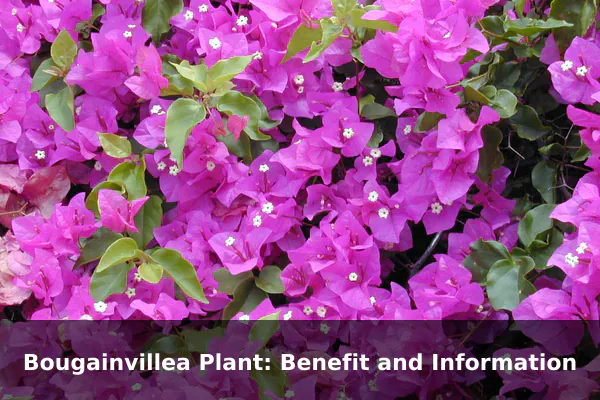
Bougainvillea is one of the most visually striking ornamental plants you can grow in a warm, sunny garden. Known for its vivid cascades of color — ranging from deep magenta and fiery orange to soft white and pale yellow — this tropical climber draws attention wherever it grows. Whether you train it along a fence, drape it over a pergola, or grow it as a compact potted shrub, bougainvillea delivers spectacular visual impact with relatively low demands once it is well established.
Originally native to South America, particularly Brazil, Peru, and Argentina, bougainvillea has spread across warm climates worldwide. Gardeners in tropical, subtropical, and Mediterranean regions have adopted it as a garden staple precisely because it tolerates heat, full sun, and periods of drought far better than many ornamental alternatives. For anyone wanting reliable color throughout a long growing season, bougainvillea is a plant worth considering seriously.
What Is a Bougainvillea Plant?
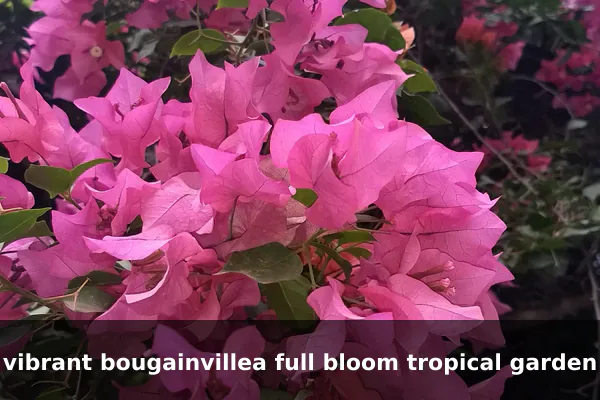
Bougainvillea belongs to the family Nyctaginaceae and was named after the French explorer Louis Antoine de Bougainville. One of the first things gardeners notice is that the most colorful parts of the plant are not actually true flowers. The bright pink, red, orange, yellow, or white "petals" are bracts — modified leaves that surround the small, tubular, white true flowers at their center. This distinction matters because the bracts are remarkably long-lasting, giving the plant its extended season of color that few flowering species can match.
In its natural growth habit, bougainvillea is a woody vine that can climb aggressively, reaching heights of six meters or more when given a suitable support structure. Selective breeding has also produced compact and semi-dwarf varieties that work well as ground covers, container plants, or informal hedges.
Main Benefits of Bougainvillea
Bougainvillea offers a combination of practical and aesthetic benefits that make it a versatile choice across different garden situations.
- Ornamental value: Long-lasting bracts create months of continuous color that few other plants can match in intensity or duration.
- Natural screening: Thorny stems and dense growth make bougainvillea an effective natural privacy screen or security barrier when trained along a fence or wall.
- Drought tolerance: Once established, it handles dry spells well, significantly reducing the need for frequent irrigation.
- Long blooming season: In frost-free climates, bougainvillea can bloom almost year-round, especially with proper pruning and occasional stress watering techniques.
- Versatile use: It adapts beautifully to gardens, courtyards, pergolas, slopes, containers, and even bonsai styling.
- Low fertilizer dependency: Compared to many flowering plants, bougainvillea does not require heavy feeding to perform well.
Key Characteristics and Varieties
Physical Features
Bougainvillea stems are woody and armed with sharp, curved thorns. Leaves are broadly oval, typically mid-green, and slightly waxy to the touch. The plant grows vigorously in warm conditions, sometimes producing several meters of new growth in a single season. The root system is relatively fragile, which is important to remember at planting time.
Popular Varieties
Dozens of cultivars are available, varying in bract color, plant size, and thorniness. Some widely grown options include:
- Barbara Karst: Bright red-magenta bracts, vigorous climber, very popular in tropical gardens.
- Gold Rush: Golden-yellow bracts with slightly more compact growth than standard climbing types.
- Torch Glow: An upright shrub form with rose-pink bracts, suitable for smaller garden spaces.
- Singapore White: Soft white bracts with a delicate pink edge and compact, manageable growth.
Ideal Growing Conditions
Sunlight
Bougainvillea needs a minimum of six hours of direct sun daily. Plants grown in partial shade will survive but produce noticeably fewer bracts. Full sun exposure throughout most of the day is strongly preferred for peak flowering performance.
Temperature and Climate
This plant performs best in warm, frost-free climates (USDA zones 9–11). It tolerates temperatures down to around 0°C briefly, but sustained cold causes significant damage or death. In cooler regions, container growing allows gardeners to bring plants indoors during winter months, extending the plant’s practical range.
Soil
Well-draining, slightly acidic to neutral soil with a pH between 5.5 and 6.5 is ideal. Bougainvillea is highly sensitive to waterlogged roots, so heavy clay soils must be amended with coarse sand or perlite before planting to ensure adequate drainage.
How to Plant Bougainvillea Correctly
Getting the planting stage right makes a significant difference to long-term performance. Follow these steps for the best results:
- Choose a location that receives full sun for most of the day and is sheltered from strong cold winds.
- Prepare a planting hole twice as wide as the root ball, mixing grit or perlite into heavy soils to improve drainage.
- Handle the root ball with care — bougainvillea roots are fragile and dislike disturbance during transplanting.
- Plant at exactly the same depth as the nursery container and water thoroughly once immediately after planting.
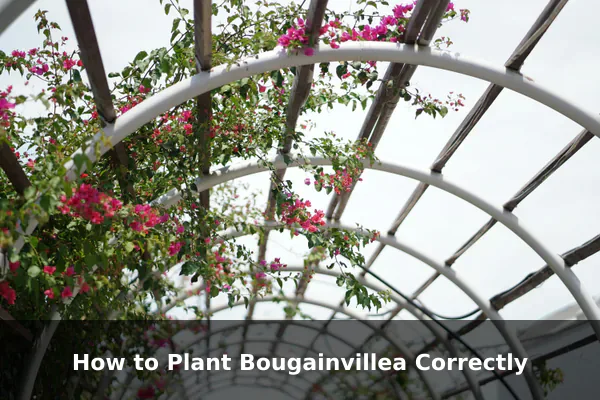
- Install a support structure immediately if you are growing a climbing variety, as young vines need early direction.
Watering, Feeding, and Pruning Tips
Watering
Overwatering is the single most common mistake made with bougainvillea. Water deeply but infrequently, allowing the top few centimeters of soil to dry out between sessions. Slightly dry conditions actually encourage more prolific blooming by triggering the plant’s stress response, which promotes bract production.
Feeding
Apply a balanced slow-release fertilizer in spring to support healthy early-season growth. From mid-season onward, switch to a low-nitrogen, high-phosphorus fertilizer to direct the plant’s energy toward bract production rather than excessive foliage growth.
Pruning
Prune lightly after each flowering flush to keep the plant compact and encourage the next bloom cycle. Remove dead, crossing, or overly long branches. Heavy pruning in early spring helps reshape established plants and rejuvenates older wood. Avoid pruning during periods of active bract display to preserve the current flowering flush.
Common Problems and How to Prevent Them
- Poor flowering: Usually caused by too much shade, excess nitrogen fertilizer, or overwatering. Reduce irrigation frequency and switch to a phosphorus-rich bloom fertilizer.
- Root rot: Results directly from waterlogged soil. Improve drainage and reduce watering immediately if you notice wilting despite wet soil.
- Aphids and mealybugs: These pests cluster on new growth. A strong water spray or diluted neem oil application controls infestations without resorting to harsh chemicals.
- Leaf drop: Often triggered by sudden temperature changes, drought stress, or overwatering. Identify and correct the environmental cause rather than increasing watering as a default response.
Can Bougainvillea Be Grown in Pots?
Yes, and container growing is a popular and practical choice for gardeners in cooler climates or limited outdoor spaces. Use a pot at least 30–40 cm in diameter with generous drainage holes at the base. Terracotta pots are ideal because they allow excess moisture to evaporate gradually through the walls, reducing the risk of root rot. Container plants dry out faster than in-ground specimens, so check moisture levels more frequently — but still allow periods of mild dryness between waterings to promote flowering. Repot every two to three years as the plant becomes root-bound.
Is Bougainvillea the Right Plant for Your Garden?
Bougainvillea suits gardeners who have full sun, warm temperatures, and space for an energetic, vigorous grower. It rewards those willing to plant it carefully, prune it regularly, and resist the very common urge to overwater. If you live in a frost-prone area, container growing significantly extends your options by allowing the plant to overwinter indoors. Those with limited sun exposure, persistently heavy soil, or consistently cold winters may find other flowering plants more suitable for their conditions.
For anyone gardening in the right climate, bougainvillea is one of the most rewarding ornamental plants available — offering months of vivid color, structural interest as a climber or hedge, and genuine ease of maintenance once it finds its footing in your garden. With the right planting position and a restrained approach to watering, this remarkable plant will repay your effort with season after season of brilliant color.
