
Succulent plants have earned a permanent spot on windowsills, desks, and balcony gardens around the world. Their plump leaves, sculpted shapes, and remarkable ability to thrive on minimal water make them ideal companions for busy people, beginners, and design-conscious growers alike.
This guide explains what succulents are, why they are so popular, the benefits they bring to indoor and outdoor spaces, and the simple care routine that keeps them looking their best for years.
What Is a Succulent Plant?
A succulent is any plant that stores water inside thickened leaves, stems, or roots. This adaptation lets them survive long dry periods that would quickly kill most ordinary houseplants. The word itself comes from the Latin sucus, meaning juice or sap, a fitting name for these moisture-rich species.
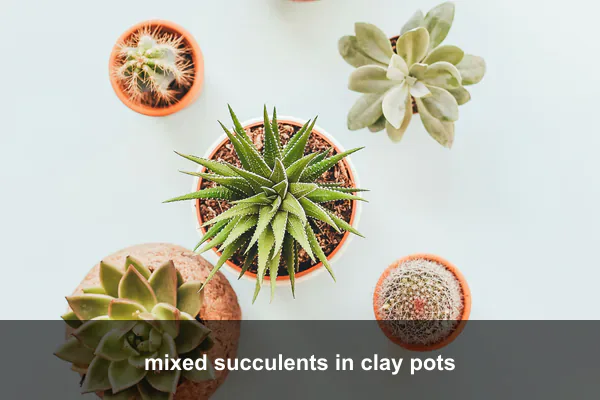
Succulents belong to many different botanical families, which is why they vary so much in shape and color. Common examples include aloe vera, echeveria, jade plant, haworthia, sedum, sempervivum, and the entire cactus family. While all cacti are succulents, not every succulent is a cactus.
Main Benefits of Succulent Plants
Succulents offer a unique mix of beauty, convenience, and wellness value. Their benefits go beyond simple decoration and explain why their popularity keeps growing year after year.
- Low maintenance: They tolerate forgetful watering and irregular care without losing their charm.
- Decorative versatility: Rosettes, trailing stems, and bold geometric shapes complement nearly any interior style.
- Space efficiency: Most varieties stay compact, making them perfect for desks, shelves, and small apartments.
- Air quality support: Like other living plants, they contribute to a fresher indoor atmosphere.
- Stress relief: Caring for small green plants is linked to calmer moods and better focus.
- Beginner-friendly: Their forgiving nature builds confidence for first-time plant owners.
Popular Types of Succulents for Home Growing
Choosing the right variety makes growing succulents far easier. Some species are practically indestructible, while others reward more attentive care with stunning colors and blooms.
Echeveria
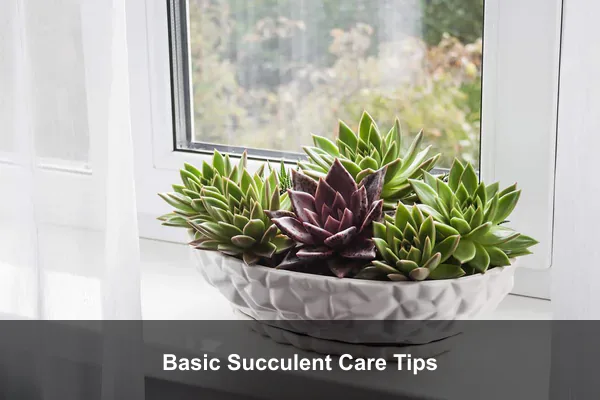
Known for its rose-shaped rosettes in shades of blue, green, pink, and purple, echeveria is a favorite for centerpieces and table arrangements.
Jade Plant
The jade plant (Crassula ovata) develops a small tree-like trunk and glossy oval leaves, often associated with prosperity in many cultures.
Haworthia
Compact and patterned with white stripes or translucent windows, haworthia thrives in lower light than most succulents, making it ideal for offices.
Sedum and Sempervivum
These hardy ground-covers handle temperature swings well and look beautiful spilling over the edges of pots or rock gardens.
Aloe Vera
Beyond its decorative spikes, aloe vera offers soothing gel that has been used for skin care for centuries.
How Succulents Adapt to Dry Conditions
Understanding how succulents survive in nature helps explain why their care routine is so different from leafy houseplants. They evolved in deserts, rocky slopes, and exposed coastal zones where rain is unpredictable.
- Water-storing tissue: Thick leaves act as internal reservoirs that release moisture slowly.
- Waxy coatings: A protective surface called the cuticle reduces evaporation.
- Shallow root systems: Wide, shallow roots capture even light rainfall before it dries away.
- CAM photosynthesis: Many succulents open their pores at night to conserve water during hot days.
These traits mean that overwatering, not neglect, is the most common cause of succulent failure.
Basic Succulent Care Tips
A small adjustment in routine is usually enough to grow healthy, vibrant succulents. The goal is to mimic the bright, dry, well-drained conditions of their natural habitat.
Light
Most succulents need at least four to six hours of bright light daily. A south- or east-facing window is ideal indoors. Insufficient light causes stretched, pale stems known as etiolation.
Watering
Follow the soak and dry method: water deeply, then wait until the soil is completely dry before watering again. In most homes this means watering every 10 to 14 days, less often in winter.
Soil and Pots
Use a gritty, fast-draining mix made for cacti and succulents, or add perlite and coarse sand to regular potting soil. Pots must have drainage holes to prevent water from sitting around the roots.
Temperature
Succulents thrive between 18 °C and 27 °C (65–80 °F). Most varieties dislike frost, so move outdoor pots indoors before cold nights arrive.
Common Mistakes When Growing Succulents
Even hardy plants struggle when basic needs are ignored. Avoiding these frequent errors will keep your collection thriving.
- Overwatering: Mushy, translucent leaves usually signal root rot from too much moisture.
- Poor drainage: Decorative pots without holes trap water and damage roots quickly.
- Low light: Stretched stems and faded color mean the plant is reaching for more sun.
- Wrong soil: Dense potting mixes hold moisture far longer than succulents can tolerate.
- Ignoring early warning signs: Black spots, soft bases, or dropping leaves need quick attention.
Are Succulents Good for Indoor Spaces?
Succulents are excellent indoor companions when placed thoughtfully. Their compact size and tolerance for dry indoor air suit modern homes that often lack humidity. However, low-light corners are not their friend. Place them within a meter of a bright window or supplement with a small grow light during darker months.
For offices and study areas, choose forgiving varieties such as haworthia, zebra plant, or jade. They tolerate occasional missed watering and the dry air from heating or air conditioning systems.
Simple Ways to Use Succulents in Decoration
Beyond solo pots, succulents shine in creative arrangements that turn a small plant collection into a design feature.
- Mini desk gardens: Group three or four small succulents in a shallow ceramic bowl for an instant centerpiece.
- Open terrariums: Glass containers with sand, gravel, and a few rosettes mimic miniature desert landscapes.
- Windowsill rows: Line matching pots along a bright sill to add color without taking floor space.
- Vertical wall planters: Living walls made from sedum and echeveria add greenery to small apartments.
- Wedding and event décor: Long-lasting cuttings double as table accents and meaningful party favors.
Final Thoughts on Succulent Plants
Succulent plants combine beauty, resilience, and ease of care in a way few other species can match. Whether you want a single statement piece for your desk or a full collection for your balcony, there is a succulent variety to fit your space, light, and lifestyle.
Start with one or two beginner-friendly types, give them bright light and well-drained soil, and resist the urge to overwater. With those simple habits in place, succulents will reward you with years of sculptural beauty and quiet, low-effort companionship.
