

The marigold plant is one of the most recognizable garden flowers in the world, prized for its bright orange, yellow, and golden blooms that bring warmth to borders, containers, and vegetable beds. Although the name “marigold” is used loosely for several flowers, in horticulture it usually refers to species in the genus Tagetes, especially Tagetes erecta, the African or American marigold. These plants are valued for their easy care, long flowering season, and the way they fit into many garden styles.
This guide focuses on what marigolds actually are, what they reliably offer, and how to grow them well. Some popular claims about marigolds, such as universal pest control, are more nuanced than gardeners often hear, so this article anchors information to botanical and extension sources where possible.
What Is a Marigold Plant?
According to the Royal Botanic Gardens, Kew (Plants of the World Online) and World Flora Online, Tagetes erecta L. is an accepted species native to parts of Mexico and Central America, now widely cultivated and naturalized in many warm regions. The USDA PLANTS Database also lists it as a recorded species in the United States.
Common cultivated marigolds include:
- Tagetes erecta – African or American marigold, taller with large pom-pom blooms.
- Tagetes patula – French marigold, smaller and bushier with bicolor flowers.
- Tagetes tenuifolia – Signet marigold, with delicate, edible-looking single flowers.
Despite the shared common name, “pot marigold” (Calendula officinalis) is a different genus and should not be confused with Tagetes.
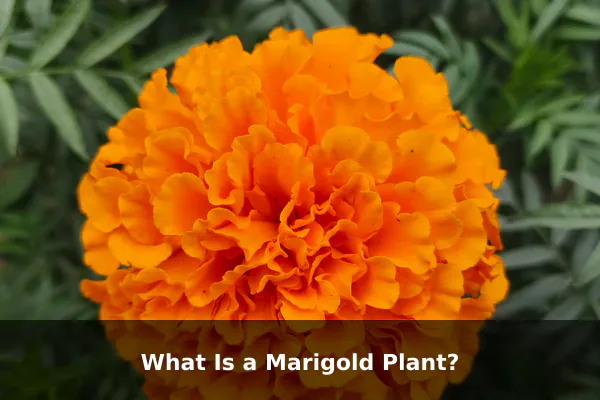
Key Characteristics of Marigolds
Marigolds are warm-season annuals in most climates, though they can behave as short-lived perennials in frost-free regions. Their main features include:
- Flowers: dense, daisy-like or pom-pom blooms in yellow, orange, gold, cream, and red tones.
- Foliage: finely divided, deep green leaves with a distinctive aromatic scent.
- Habit: compact and bushy, ranging from about 15 cm to nearly 90 cm tall depending on the species and cultivar.
- Bloom season: generally from late spring through the first frost when grown in suitable conditions.
Why Gardeners Recognize the Scent
The strong, slightly pungent fragrance of marigold foliage is one reason the plant is so often used in mixed borders. While the smell is sometimes credited with repelling insects, this effect is not as broad or guaranteed as folklore suggests.
Main Benefits of Growing Marigolds
Marigolds offer several practical, well-supported benefits for home gardens:
- Long-lasting color: few annuals match marigolds for continuous flowering from early summer to autumn.
- Low maintenance: they tolerate heat, average soils, and short dry spells once established.
- Container friendly: compact French and signet types thrive in pots, balcony planters, and small spaces.
- Pollinator interest: open-flowered and single-petaled varieties can attract bees, hoverflies, and butterflies.
- Cut and craft use: the sturdy blooms hold up well in arrangements and are used in cultural and decorative traditions.
It is fair to describe marigolds as dependable garden performers rather than miracle plants. Their real strength is consistent color with minimal effort.
Marigolds and Pest or Nematode Management
Marigolds are often promoted as natural pest repellents. The most evidence-based use is for plant-parasitic nematodes in the soil. University of Florida IFAS Extension explains that certain Tagetes species, particularly some cultivars of T. patula and T. erecta, can suppress specific nematode species when grown as a dense cover crop and then incorporated into the soil.
However, IFAS and other extension sources note important limits:
- Effects depend on the marigold cultivar and the nematode species present.
- Simply planting a few marigolds beside tomatoes is unlikely to provide meaningful nematode control.
- Above-ground insect pest repellence by marigolds is not strongly supported by research.
In short, marigolds can be a useful tool in integrated soil management, but they should not replace good garden hygiene, crop rotation, or proper pest identification.
Edibility, Safety, and Cautions
Some marigold petals, particularly from signet types, are recorded as edible garnishes in certain cuisines, and extracts from Tagetes erecta are used as a source of natural pigments in animal feed. Still, the North Carolina Extension Gardener Plant Toolbox notes that Tagetes species can cause skin irritation in sensitive people and mild issues if ingested in quantity, especially by pets.
Practical safety guidance:
- Do not assume any marigold-named plant is edible; identify the species first.
- Wear gloves if you have sensitive skin and handle plants frequently.
- Keep pets from chewing large amounts of foliage or flowers.
- For medicinal or culinary uses, rely on qualified sources rather than general gardening folklore.
How to Grow and Care for Marigolds
Marigolds are an excellent choice for beginner gardeners because their care needs are straightforward.
Light and Location
Plant marigolds in full sun, ideally with at least 6 hours of direct light per day. In very hot climates, light afternoon shade can extend bloom quality.
Soil and Watering
They prefer well-drained, moderately fertile soil. Heavy, soggy soils encourage root and stem rot. Water at the base of the plant rather than overhead, and let the surface dry slightly between waterings.
Spacing and Deadheading
- Space plants according to their mature size, generally 20–45 cm apart.
- Remove spent flowers regularly to encourage continuous blooming.
- Pinch young plants once to promote bushier growth.
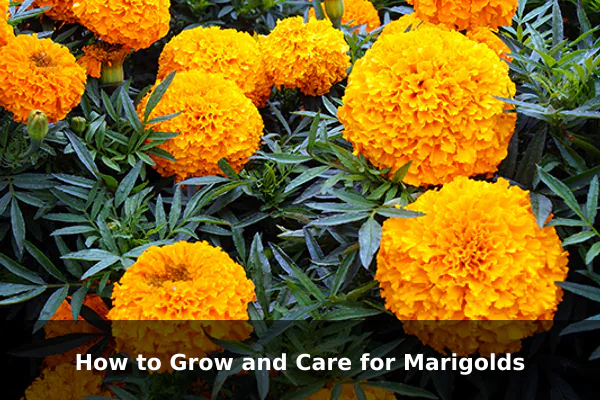
Best Garden Uses for Marigolds
Marigolds adapt to many design roles:
- Vegetable garden edging: they add color along bed edges and complement crops like tomatoes and peppers.
- Mixed flower borders: they fill gaps with bold warm tones.
- Containers and window boxes: compact varieties suit small spaces and balconies.
- Seasonal displays: they shine in late summer and autumn color schemes.
Common Problems and Simple Fixes
Although marigolds are tough, a few issues do come up:
- Few flowers: usually caused by too little sun or excess nitrogen fertilizer.
- Leggy growth: often a result of crowded planting or low light.
- Powdery mildew or leaf spot: linked to poor airflow and wet foliage.
- Aphids or spider mites: rinse with water or treat with insecticidal soap if needed.
- Slugs and snails on young plants: protect seedlings with traps or barriers.
Choosing the Right Marigold for Your Garden
Instead of focusing on unsupported cultivar claims, choose marigolds based on practical needs:
- Height: tall T. erecta for the back of borders; compact T. patula or signet types for edges and pots.
- Flower style: large pom-poms for bold display, or single flowers if you want better pollinator access.
- Climate fit: all marigolds enjoy warmth, but some cultivars tolerate humidity and heat better than others.
- Purpose: ornamental color, cut flowers, container interest, or trial use as a cover crop for soil management.
Final Takeaway
The marigold plant earns its long-standing place in gardens through bright, dependable blooms, easy care, and genuine but specific horticultural benefits. It is most accurate to describe marigolds as reliable ornamental performers with some evidence-based uses in soil and pollinator-friendly planting, rather than as all-purpose pest repellents or guaranteed companion plants.
By matching your expectations to what research and extension sources actually support, you can enjoy the best of what marigolds offer: a generous, sunny presence in your garden and a low-effort source of seasonal color for years to come.
Official references
- Royal Botanic Gardens, Kew – Plants of the World Online: Tagetes erecta L. – Authoritative botanical taxonomy, accepted name, native range, distribution, synonyms, classification, and recorded uses for the main ornamental marigold species.
- World Flora Online – Tagetes erecta L. – Global plant taxonomy reference with morphology, classification, synonymy, and source-backed botanical descriptions useful for species-specific facts.
- USDA NRCS PLANTS Database – Tagetes erecta – Official U.S. plant profile reference for scientific name, plant symbol, distribution, and basic taxonomy.
- North Carolina Extension Gardener Plant Toolbox – Tagetes – University extension source for garden marigold characteristics, uses, edibility cautions, toxicity notes, and practical plant facts.
- University of Florida IFAS Extension – Marigolds (Tagetes spp.) for Nematode Management – Evidence-based extension publication for horticultural benefit claims, especially nematode suppression and limits of companion-planting claims.
