
Plants can make daily life calmer, fresher, and more connected to nature, but safer use starts with respect for what plants are and what they can do. A leaf on a windowsill, a cutting in a vase, a herb in the kitchen, or a vine in the yard may look harmless, yet the way it is handled, tasted, brewed, burned, stored, or placed around children and pets can change the level of risk. Effective Plants Tips for Safer Daily Use is about building practical habits that let you enjoy plants without treating them casually.
This guide takes a safety-first angle that is different from choosing plants for beauty or listing their benefits. It focuses on daily decisions: identifying plants before use, protecting skin during outdoor work, keeping risky species out of reach, using edible and herbal plants carefully, and knowing what to do after exposure or ingestion. The advice is intentionally cautious because plant reactions can vary by species, plant part, dose, person, pet, and situation.
Official guidance from CDC NIOSH, Poison Control, the FDA, NIH NCCIH, and ASPCA Poison Control points to one clear message: do not guess when plant safety is involved. Accurate identification, clean handling, careful placement, and fast expert help are often more useful than home remedies or assumptions. Use the tips below as a daily routine for safer plant care, home gardening, and plant-based products.
Know the Plant Before You Touch, Taste, or Use It

The first rule of safer daily plant use is simple: identify the plant before doing anything with it. Identification matters because common names are often confusing. One name can refer to several different species, and one species may have different local names. Even a familiar-looking plant can have lookalikes with very different safety profiles. This is especially important before eating leaves, making tea, applying sap to skin, burning plant material, or bringing cuttings indoors.
Poison Control notes that some plants are poisonous when eaten, some can injure skin, and some have harmful parts while other parts may be less concerning. That means a broad statement such as “this plant is safe” is often too vague. The safer question is: safe for whom, in what amount, prepared how, and in which part of the plant? A berry, bulb, seed, sap, root, or mature leaf may not carry the same risk.
Use More Than One Identification Clue
Do not rely only on a plant app, a social media comment, or a single photo. Use multiple clues such as leaf arrangement, flower shape, fruit, stem texture, growth habit, season, and where the plant is growing. When possible, compare the plant with a local extension service, botanical garden resource, nursery professional, or official plant database. If you still cannot identify it confidently, treat it as unknown.
For daily home use, a written plant list is one of the most effective plant safety tools. Keep the common name, scientific name, purchase source, and known concerns in a note on your phone or a small card near your plant area. This helps babysitters, guests, house cleaners, and pet sitters understand what is in the home. It also helps poison specialists or veterinarians if an exposure occurs.
Avoid Unsafe Experiments
Many plant accidents begin with experimentation. A person tastes an unknown berry, rubs a leaf on irritated skin, brews a strong herbal tea from a garden plant, or burns weeds without knowing what they are. These choices are risky because plants can contain irritating oils, alkaloids, oxalates, glycosides, or other naturally occurring compounds. Natural does not automatically mean gentle.
- Do not eat wild plants unless they have been identified by a qualified source and are known to be edible in that form.
- Do not use plant sap, crushed leaves, or homemade extracts on skin without reliable safety information.
- Do not burn unknown vines, leaves, or brush piles, especially if poison ivy, poison oak, or poison sumac may be present.
- Do not assume a plant is safe for children or pets because it is sold as a houseplant.
- Do not confuse culinary use with medicinal use; a pinch of herb in food is not the same as a concentrated supplement.
Handle Garden and Outdoor Plants With Basic Protection
Outdoor plant safety begins before symptoms appear. CDC NIOSH warns that poisonous plants can cause problems through skin contact, ingestion, or inhalation of smoke from burning plant material. The most common outdoor risks include poison ivy, poison oak, and poison sumac, which release urushiol oil when damaged. This oil can transfer from plants to skin, clothing, gloves, tools, shoes, and even pet fur.
Effective plants tips for safer daily use in the garden are not complicated, but they need to be consistent. Wear long sleeves, long pants, closed shoes or boots, and gloves when trimming, weeding, clearing brush, or working in areas where you cannot see every stem clearly. If you are highly sensitive or working in dense vegetation, consider eye protection and disposable gloves under heavier work gloves.
Recognize High-Risk Outdoor Exposure
The FDA and CDC both emphasize learning what poison ivy, poison oak, and poison sumac look like. The phrase “leaves of three” can help with poison ivy and poison oak, but it is not complete. CDC NIOSH notes that poison sumac usually has clusters of seven to thirteen leaves, and plant appearance can change by species, location, and season. Do not use one rule as your only safety check.
Risk increases when plants are cut, crushed, mowed, pulled, or burned. Damaged plant parts can release oils or particles more readily. Tools used on contaminated vines or shrubs can carry residue. Clothing can transfer plant oils to your hands later. This is why post-garden cleanup is part of safe use, not an optional extra.
Clean Skin, Clothing, and Tools Promptly
After outdoor work, wash exposed skin with soap and water as soon as practical. CDC NIOSH recommends rinsing skin immediately after contact with poisonous plants and cleaning under fingernails. The FDA also advises washing skin with soap and cool water as soon as possible after contact. Prompt washing may help remove plant oil before it spreads further.
- Remove gloves carefully so the outside surface does not touch bare skin.
- Wash hands, wrists, forearms, and any exposed skin.
- Launder clothing that may have contacted irritating plants separately.
- Clean tools with soap and plenty of water or other appropriate cleaning methods.
- Wash pets if they may have brushed against poison ivy, oak, or sumac, while wearing gloves.
Avoid burning plants that may include poison ivy, poison oak, or poison sumac. CDC NIOSH warns that inhaling smoke from burning poisonous plants can cause severe respiratory problems. This risk is not limited to the person who lights the fire; smoke can affect nearby people. When plant identity is uncertain, disposal through local yard-waste guidance is safer than burning.
Keep Risky Plants Away From Children and Pets
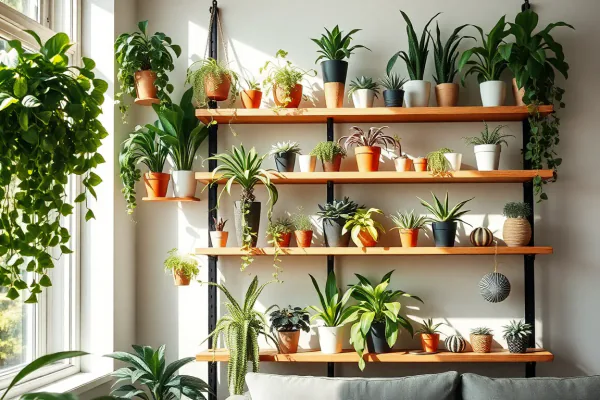
Indoor plant safety is mostly about placement, supervision, and realistic expectations. Children explore with their hands and mouths. Pets chew leaves, dig in soil, drink from saucers, and knock over pots. A plant that is manageable for an informed adult can still be a poor choice for a home with toddlers, curious cats, puppies, or animals with chewing habits.
The ASPCA maintains a large toxic and non-toxic plant database for dogs, cats, and horses and explains that its list is not all-inclusive. It also notes that consumption of any plant material may cause vomiting or gastrointestinal upset in dogs and cats. That is an important point: “non-toxic” does not always mean “fine to chew freely.” Safer daily use means reducing access, not inviting exposure.
Place Plants Based on Behavior, Not Decoration Alone
Beautiful placement is not always safe placement. Low plant stands, coffee tables, bedroom floors, and sunny windowsills may be easy for children or pets to reach. Hanging planters can still drop leaves. Tall pots can be pulled over. Decorative berries, colorful leaves, and trailing vines may attract attention. Use stable shelves, closed rooms, wall-mounted planters, or plant cabinets when risk is higher.
For households with pets, check a plant’s scientific name before purchase and compare it with a pet toxicity resource such as ASPCA Poison Control. If you cannot confirm the plant, postpone buying it. If you already own it, move it out of reach until you can verify its risk. This is especially important for lilies around cats, sago palm around dogs, and other plants known to cause serious problems in animals.
Reduce Temptation and Confusion
Children should be taught a simple rule: plants are not food unless a trusted adult gives permission. This rule should apply to houseplants, garden plants, flowers, seeds, berries, and mushrooms. Do not tell children that a plant is “medicine” or “candy-like,” even when discussing herbs, because that can encourage tasting without supervision.
- Remove fallen leaves, petals, berries, and seed pods quickly.
- Keep plant labels in pots when they do not create a choking or chewing hazard.
- Avoid placing toxic plants near play areas, pet beds, food bowls, or litter boxes.
- Use heavy pots or secured planters where tipping is likely.
- Store fertilizers, pesticides, rooting hormones, and essential oils away from children and pets.
If a child or pet eats part of a plant, do not wait for symptoms to become severe before seeking advice. For people, Poison Control recommends getting expert help instead of guessing. For animals, contact your veterinarian or ASPCA Poison Control, especially if the plant is unknown or symptoms appear.
Use Edible and Herbal Plants With Caution
Edible and herbal plants deserve their own safety section because they often feel familiar. Basil in pasta, mint in water, rosemary on roasted vegetables, or chamomile in tea may be part of ordinary routines. The risk rises when culinary herbs are used in large amounts, concentrated extracts, essential oils, tinctures, capsules, or homemade remedies. The body responds differently to a small food amount than to a strong plant-derived product.
NIH NCCIH advises considering safety before using complementary health products and practices. It notes that herbal medicines and botanicals are often sold as dietary supplements, but there is still a lot unknown about the safety of many products. NCCIH highlights two major concerns: drug interactions and product contamination. That guidance is especially relevant when a plant product is used for health goals rather than flavor.
Culinary Use Is Not the Same as Medicinal Use
A common mistake is assuming that if a plant is edible, higher doses must be more beneficial. That is not a safe assumption. Some herbs can interact with medications, affect blood thinning, influence blood sugar, increase sedation, irritate the stomach, or be inappropriate during pregnancy, breastfeeding, surgery preparation, or chronic illness. St. John’s wort is a well-known example of an herb with important drug interaction concerns, but it is not the only plant-derived product that needs caution.
Before using an herbal supplement, ask practical questions. What is the exact ingredient? What part of the plant is used? How concentrated is it? Is the dose clear? Is there third-party testing? Could it interact with prescriptions, over-the-counter medicines, or other supplements? Has a clinician reviewed it for your age, health status, and goals?
Be Careful With Essential Oils and Concentrates
Essential oils are highly concentrated plant products. They should not be treated like mild herbal teas or fresh leaves. Some oils can irritate skin, trigger respiratory symptoms, harm pets, or be unsafe if swallowed. Diffusing oils in enclosed rooms can affect children, older adults, pregnant people, people with asthma, and animals differently. Cats and birds may be especially sensitive to certain airborne substances.
Use plant-derived products with restraint. Follow label directions, avoid applying undiluted essential oils to skin, keep oils away from eyes and mucous membranes, and store them like other potentially hazardous household products. Do not add essential oils to food or drinks unless a qualified professional has confirmed that the exact product is intended and safe for that use.
Choose Food Plants From Reliable Sources
For daily edible plant use, source matters. Plants grown near roads, treated lawns, industrial areas, or unknown pesticide applications may carry contaminants. Wild-harvested plants can be misidentified. Homegrown herbs should be washed before use, and any plant with mold, chemical smell, pest residue, or unknown spray exposure should not be consumed.
- Use culinary herbs in normal food amounts unless advised otherwise by a qualified clinician.
- Do not give herbal remedies to children without professional guidance.
- Discuss supplements with a healthcare provider if you are pregnant, breastfeeding, taking medication, planning surgery, or managing a health condition.
- Buy supplements from reputable companies that provide clear labeling and quality information.
- Stop using a plant product and seek advice if you develop rash, swelling, breathing trouble, vomiting, dizziness, or unusual symptoms.
Respond Quickly to Plant Exposure or Ingestion
Even careful people can have plant exposures. A child may taste a leaf. A dog may chew a bulb. A gardener may brush against poison ivy. A person may react to a plant-based product. The safest response is calm, fast, and evidence-based. Do not rely on internet guesses, forced vomiting, home antidotes, or waiting to “see what happens” when the plant is unknown or symptoms are concerning.
For Skin Contact
If you think skin contacted an irritating or poisonous plant, rinse promptly. For poison ivy, oak, or sumac exposure, CDC NIOSH recommends immediate rinsing and washing with rubbing alcohol, poison plant washes, dishwashing soap, and lots of water. The FDA advises washing with soap and cool water as soon as possible. Avoid scrubbing so aggressively that skin breaks, but clean thoroughly, including under nails.
Remove contaminated clothing and wash it separately. Clean shoes, gloves, tools, and other objects that may carry plant oils. If a rash develops, avoid scratching. The FDA notes that blister fluid does not spread poison ivy rash, but scratching can damage skin and increase infection risk. Seek medical care if the rash is severe, widespread, involves eyes, mouth, genitals, or a large skin area, shows signs of infection, does not improve, or is accompanied by breathing difficulty.
For Possible Ingestion by a Person
If someone eats an unknown or potentially harmful plant, remove any remaining plant material from the mouth and save a sample or photo for identification. Do not make the person vomit unless a poison specialist or clinician tells you to. Do not give random food, milk, activated charcoal, or home remedies as a guess. Contact Poison Control at 1-800-222-1222 in the United States or use its online help tool for expert guidance. If the person has trouble breathing, severe swelling, seizures, loss of consciousness, or other emergency symptoms, call emergency services immediately.
For Possible Ingestion by a Pet
If a pet eats a plant, gather the plant name if known, the part eaten, the approximate amount, the time of exposure, and the pet’s species, breed, age, weight, and symptoms. Contact your veterinarian or ASPCA Poison Control. Do not assume that a plant safe for people is safe for animals. Also do not assume that a plant listed as non-toxic will never cause vomiting or discomfort, because plant material itself can upset the gastrointestinal tract.
Keep emergency contacts visible. A simple refrigerator note or phone contact list can save time: Poison Control for people, your veterinarian, the nearest emergency veterinary hospital, and ASPCA Poison Control. In stressful moments, easy access matters.
Build a Safer Daily Plant Routine
Plant safety works best as a routine rather than a reaction. The goal is not to fear plants; it is to create a home and garden system where risks are easier to notice and manage. A few repeated habits can prevent many common problems.
Set Up a Weekly Plant Safety Check
Once a week, walk through your indoor and outdoor plant areas. Look for fallen leaves, exposed bulbs, unstable pots, pest treatments, unlabeled cuttings, moldy soil, and plants that have grown into reach. Check whether trailing vines are now accessible to pets or children. Make sure plant products such as oils, dried herbs, seeds, fertilizers, and sprays are stored securely.
This is also a good time to update your plant list. Add new purchases, remove plants you no longer own, and correct uncertain names. If a plant was gifted without a label, identify it before placing it in a child’s room, kitchen, pet area, or high-traffic space.
Separate Decorative, Edible, and Medicinal Uses
Confusion increases when all plant materials are stored together. Keep decorative houseplants separate from culinary herbs. Store dried herbs used for cooking in labeled food containers. Keep supplements and tinctures in their original packaging. Never store plant remedies in drink bottles, snack jars, or unlabeled containers. This reduces the chance that a child, guest, or older adult mistakes a concentrated plant product for food.
Use a Simple Safety Checklist
Before bringing a new plant into daily life, run through this quick checklist:
- Identify it: Confirm both common and scientific names.
- Check people safety: Look for ingestion, skin, eye, and allergy concerns.
- Check pet safety: Review dog, cat, or horse toxicity if animals may have access.
- Choose placement: Keep risky plants out of reach and away from food-prep surfaces.
- Plan handling: Use gloves for pruning, repotting, or working with irritating sap.
- Store products: Keep oils, supplements, seeds, fertilizers, and sprays secured and labeled.
- Prepare contacts: Keep poison and veterinary help information easy to find.
These effective plants tips for safer daily use are especially useful for beginners, renters with small spaces, families with children, pet owners, and anyone who uses herbs or plant-based products regularly. They create a practical middle ground: plants remain part of daily life, but they are handled with the same care you would give to cleaning products, medicines, and kitchen tools.
Conclusion
Effective Plants Tips for Safer Daily Use comes down to a few dependable habits: know the plant, handle it cleanly, place it wisely, use edible and herbal plants cautiously, and get expert help quickly when exposure happens. Safety is not a one-time decision made at the garden center. It is a daily practice shaped by who lives in the home, which plants are present, how they are used, and how quickly you respond when something goes wrong.
Plants can still be beautiful, useful, calming, and meaningful when approached carefully. In fact, safer routines often make plant care more enjoyable because you are not relying on guesswork. Keep labels, wash hands and tools, avoid unknown plant experiments, review pet and child risks, and treat concentrated plant products with caution. With these habits in place, your home and garden can stay greener while your daily plant use stays more thoughtful and safer.
Official references
- CDC NIOSH – Poisonous Plants and Work – Primary public-health guidance on identifying poisonous plants, exposure routes, first aid, and risk reduction.
- Poison Control – National Capital Poison Center – Authoritative poison-center reference for poisonous and non-poisonous plants, ingestion risk, and when to seek expert help.
- FDA – Outsmarting Poison Ivy and Other Poisonous Plants – Regulator-backed consumer guidance on poison ivy, oak, and sumac prevention, rash treatment, and warning signs.
- NIH NCCIH – Safe Use of Complementary Health Products and Practices – Useful for plant-derived supplements and botanicals, including safety limits, contamination risk, and drug-interaction concerns.
- ASPCA Animal Poison Control – Toxic and Non-Toxic Plants – Primary reference for plant safety around cats, dogs, and horses in daily home use.
