
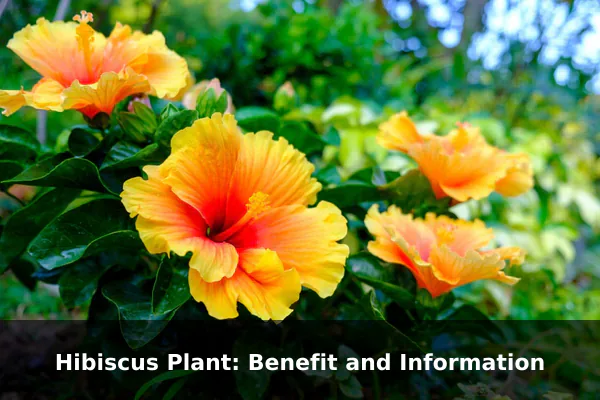
The hibiscus plant is one of the most recognizable flowering plants in the world, admired for its large, trumpet-shaped blooms and its long history of use in gardens, kitchens, and traditional remedies. Yet “hibiscus” is not a single plant. It is a broad genus that includes hundreds of species, ranging from showy tropical ornamentals to the tart, edible roselle used to brew the deep-red drink many people call hibiscus tea.
Because the name covers so many plants, it is easy to mix up garden hibiscus with the species linked to health claims. This guide separates general plant information from cautious, evidence-aware notes about benefits. Hibiscus can be beautiful and genuinely useful, but any health-related claims deserve a measured look at the research and a dose of medical common sense.
What Is the Hibiscus Plant?
Hibiscus is a large genus in the mallow family (Malvaceae). According to botanical references such as Kew Science’s Plants of the World Online, the genus includes a wide range of species distributed across tropical, subtropical, and warm temperate regions. Plants in this group can grow as annuals, perennials, shrubs, or small trees, depending on the species and climate.
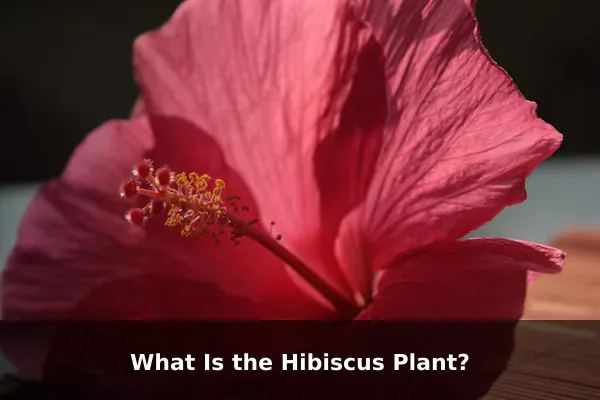
The flowers are the main attraction. They typically feature five overlapping petals, a prominent central column of fused stamens, and colors that span red, pink, yellow, orange, white, and bicolor blends. Individual blooms are often short-lived, sometimes lasting only a day, but a healthy plant produces flowers continuously through its growing season.
Popular Types and the Role of Hibiscus sabdariffa
Knowing which hibiscus you are dealing with helps you set the right expectations for care and use.
Ornamental Hibiscus
Tropical hibiscus (often sold as Hibiscus rosa-sinensis) and hardy hibiscus (Hibiscus moscheutos and related species) are grown mainly for their spectacular flowers. These are landscape and container plants prized for color, not for tea or food.
Roselle (Hibiscus sabdariffa)
Most discussions about hibiscus tea and its possible benefits center on Hibiscus sabdariffa, commonly called roselle. After the flower fades, this species develops fleshy red calyces that are dried and steeped to make the tart, ruby-colored beverage sold worldwide. When an article mentions “hibiscus benefits” tied to a drink, it is almost always referring to this species rather than ornamental garden hibiscus.
Key Benefits People Associate With Hibiscus
The plant offers a mix of practical, decorative, and culinary value. Common benefits include:
- Ornamental appeal: Bold, long-blooming flowers brighten gardens, hedges, patios, and indoor spaces in suitable climates.
- Pollinator support: The large, open blooms attract bees, butterflies, and hummingbirds, adding life and movement to a garden.
- Beverage and culinary use: Roselle calyces are used for tea, cordials, jams, sauces, and tangy garnishes.
- Natural color and flavor: The calyces lend a vivid red hue and a cranberry-like tartness to drinks and desserts.
- Cultural and decorative value: Hibiscus flowers feature in celebrations, garlands, and traditional crafts in many regions.
These uses are well established. Health claims, however, deserve a more careful look.
What Research Says About Hibiscus Tea and Blood Pressure
One of the most studied questions is whether hibiscus tea from Hibiscus sabdariffa can help lower blood pressure. The picture is cautiously positive but not conclusive.
The U.S. National Center for Complementary and Integrative Health (NCCIH) notes that some studies suggest roselle hibiscus may have a modest effect on blood pressure, while emphasizing that the evidence is limited. A Cochrane systematic review on roselle for lowering blood pressure in adults likewise found that the available trials were small or of uneven quality, making firm conclusions difficult. Individual clinical trials, including human research indexed in PubMed, have reported measurable reductions in blood pressure among participants who drank hibiscus tea.
Taken together, the research points to a possible, generally modest benefit rather than a guaranteed result. Key things to keep in mind:
- Hibiscus tea is not a replacement for prescribed blood pressure medication or medical advice.
- Study results vary, and effects in research settings may not match everyday use.
- If you have a diagnosed condition, treatment decisions should be guided by a qualified health professional.
How Hibiscus Is Used in Daily Life
Beyond the garden, hibiscus appears in everyday routines in several ways:
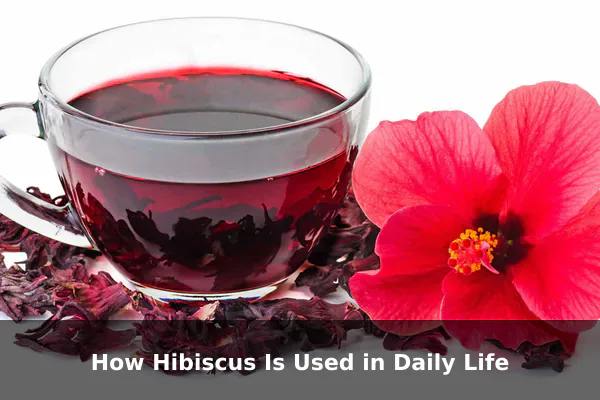
- Hot and iced tea: Dried roselle calyces are steeped to make a tart drink served hot or chilled, often sweetened or blended with other ingredients.
- Cooking: The calyces are turned into jams, syrups, sauces, and chutneys, where their natural acidity balances sweet dishes.
- Garden landscaping: Ornamental varieties are used as flowering hedges, focal-point shrubs, and container plants for patios and balconies.
- Natural coloring: The deep-red pigment of roselle is used to tint drinks and desserts without artificial dye.
Growing Hibiscus at Home
Many gardeners grow hibiscus successfully with a few basic conditions in place. Care details vary by species, so confirm whether you have a tropical, hardy, or roselle type.
Light and Temperature
Hibiscus generally thrives in full sun, ideally several hours of direct light each day, which encourages strong, repeated flowering. Tropical types are sensitive to cold and may need protection or indoor shelter where frost occurs.
Water and Soil
Provide consistently moist but well-draining soil. Hibiscus dislikes both drought stress and waterlogged roots, so let the top of the soil begin to dry before watering again. A rich, slightly acidic to neutral soil supports healthy growth.
Pruning and Container Growing
Light pruning helps maintain shape, remove weak stems, and encourage bushier growth and more buds. In cooler climates, growing hibiscus in containers makes it easier to move plants indoors during cold months. Roselle is often grown as a warm-season annual and harvested for its calyces later in the season.
Safety Notes Before Using Hibiscus Products
Hibiscus tea and edible roselle products are widely consumed, but a cautious approach is wise:
- Moderation matters: Treat hibiscus tea as part of a balanced diet rather than a daily high-dose remedy.
- Blood pressure conditions: Because hibiscus may influence blood pressure, people who already take blood pressure medication should be cautious about combined effects.
- Pregnancy and chronic illness: Anyone who is pregnant, nursing, managing a chronic condition, or taking regular medication should seek personalized guidance.
- Possible interactions: If you take prescription drugs, ask a pharmacist or doctor before using hibiscus regularly.
When in doubt, consult a qualified health professional who knows your medical history.
Quick Summary: Is Hibiscus Worth Growing or Using?
For most people, hibiscus is well worth growing. As an ornamental, it delivers striking flowers, supports pollinators, and adapts to gardens and containers alike. As a beverage ingredient, roselle offers a refreshing, naturally tart tea and flexible culinary uses.
The health benefits are more nuanced. Research on hibiscus tea and blood pressure is encouraging but limited, so it is best viewed as a pleasant drink with possible mild benefits, not a proven treatment. Enjoy hibiscus for its beauty and flavor, use it in moderation, and rely on professional medical advice for any health condition.
Official references
- Kew Science Plants of the World Online – Hibiscus genus – Authoritative botanical taxonomy and distribution reference for the Hibiscus genus.
- Kew Science Plants of the World Online – Hibiscus sabdariffa – Authoritative species-level facts for roselle, the hibiscus species most often used for hibiscus tea and benefit claims.
- NCCIH – Hypertension: Complementary Health Approaches – NIH source summarizing evidence around roselle Hibiscus sabdariffa and blood pressure, useful for cautious health-benefit wording.
- Cochrane – Red tea/Roselle for lowering blood pressure in adults – Systematic review evidence on Hibiscus sabdariffa for blood pressure, useful for evaluating strength and limits of claims.
- PubMed – Hibiscus sabdariffa tea lowers blood pressure trial – Primary human clinical trial record for hibiscus tea and blood pressure effects.
