
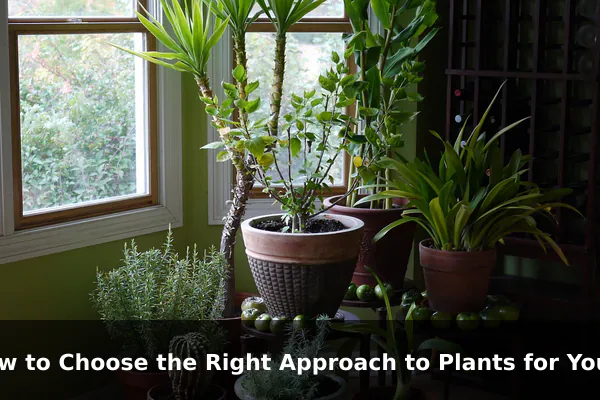
Most people choose plants based on what looks good in a photo or what is available at a nearby shop. While there is nothing wrong with that impulse, it rarely leads to long-term success. The right approach to plants depends almost entirely on what you want them to do for you. A plant that thrives under one person’s care can decline within weeks in another home simply because the goals and conditions were never aligned from the start.
Whether you want to bring natural color into a small apartment, grow fresh herbs in your kitchen, create a calming corner, or simply keep something alive for the first time, there is a strategy that fits. This guide gives you a practical framework for matching your personal goals to the right plant type and care routine, so every decision you make leads somewhere that lasts.
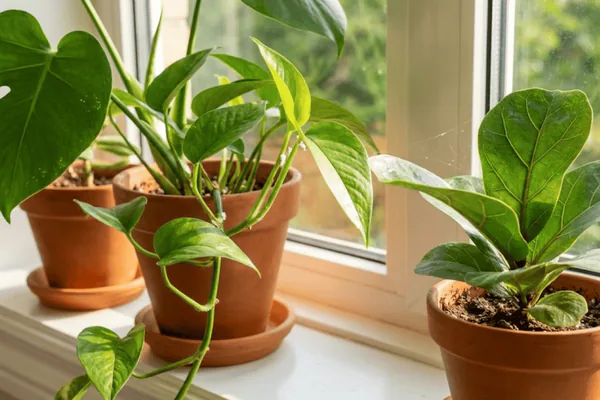
Start With the Goal You Want the Plant to Serve
Before you buy a single plant, define what success looks like for you. Plants serve very different purposes, and each goal points toward a different selection path.
Common Plant Goals and What They Mean for Your Choices
- Home decoration and aesthetics — foliage shape, texture, and color take priority over care complexity.
- Edible gardening — sunlight access and soil quality matter more than appearance.
- Air quality improvement — dense, leafy species with large surface areas tend to perform best in enclosed rooms.
- Stress relief and mindfulness — fragrant or visually calming species support this goal most effectively.
- Gifting or seasonal displays — flowering varieties with short bloom cycles work well here.
- Learning a new skill — forgiving, low-risk varieties reduce frustration while building confidence.
Naming your goal before you visit a nursery or browse online changes the entire decision. It filters out dozens of options that look appealing but serve a different purpose entirely.
Measure Your Real-World Constraints First
Goals matter, but the environment where your plant will live determines which goals are realistic. A mismatch between your actual conditions and a plant’s requirements is the most common reason plants fail early.
Key Conditions to Evaluate Before Choosing
- Light: How many hours of direct or indirect sunlight does your space receive? South-facing windows get the most; north-facing rooms the least.
- Space: Do you have floor room, shelf space, or only a windowsill? This limits how large your plant can grow.
- Climate: Indoor temperature and humidity shift by season and region. Tropical species need consistent warmth; locally native plants handle fluctuations naturally.
- Time availability: How often can you realistically water, check, and maintain a living plant?
- Travel habits: Frequent travelers need species that tolerate several missed waterings without damage.
Being honest about these constraints before choosing prevents the frustration of watching a perfectly healthy plant decline despite your best efforts.
Choose the Care Style That Matches Your Routine
Every plant carries a care demand level. Matching that level to your actual daily and weekly routine matters more than choosing a plant you find visually appealing.
Three Care Levels Worth Knowing
Low-maintenance: These plants forgive irregular watering, tolerate low light, and rarely need supplemental feeding. Ideal for busy schedules, frequent travel, or complete beginners.
Moderate care: These plants need consistent watering rhythms, occasional fertilizing, and some attention to humidity or pruning. A good fit for people who can set a weekly reminder and follow through.
Hands-on care: These plants reward dedicated attention through daily misting, seasonal repotting, specific feeding schedules, and close monitoring. Best suited to experienced growers or people who genuinely enjoy the process.
Choosing a hands-on plant when your schedule allows only low-maintenance care creates a predictable cycle of guilt and plant loss. Match care level to your real routine first, then find a plant you genuinely like within that tier.
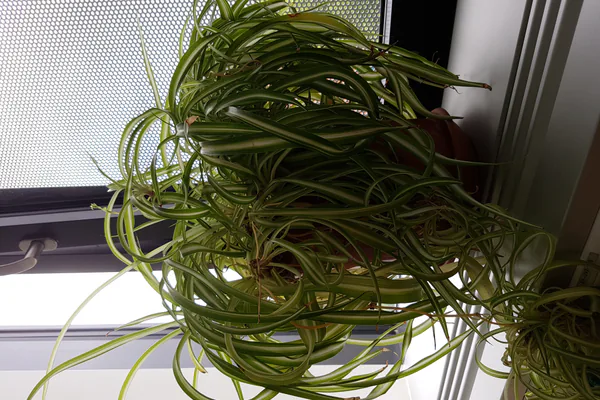
Match Plant Types to Different Goals
Once you know your goal and constraints, you can narrow choices down to a broad plant category that makes sense for your situation.
Plant Categories and When to Use Them
- Foliage plants: Best for decoration and indoor air goals. Most adapt well to home conditions and tolerate varying light levels.
- Flowering plants: Ideal for seasonal color, gifting, or visual impact goals, though they often require more consistent light and care.
- Herbs: Perfect for edible gardening with limited space. Most thrive on a sunny windowsill with minimal setup.
- Vegetables and fruiting plants: Right for serious food production goals, but they demand outdoor space or grow lights and more consistent maintenance.
- Succulents and cacti: Excellent for low-maintenance goals or dry indoor climates. They store water efficiently and handle neglect well.
- Native plants: Ideal for outdoor garden goals. They adapt to local weather naturally and support local pollinators and ecosystems.
There is no universally superior category. The right category is whichever one aligns most closely with the goal you defined at the start.
Set a Budget Before You Build Your Plant Collection
A realistic budget prevents the common trap of overbuying and then struggling to maintain everything you purchased in one enthusiastic shopping session.
What to Budget For
- Starter plants: Prices vary widely by species and maturity. A cutting from a friend costs nothing; a mature specimen plant can cost significantly more.
- Pots and containers: Drainage holes matter more than aesthetics. Prioritize function before form.
- Soil and amendments: Using the correct soil mix for each plant type reduces problems before they start.
- Basic tools: A watering can, a spray bottle, and a small trowel cover most beginner needs.
- Fertilizer: A simple balanced fertilizer handles the majority of feeding requirements across most plant types.
Start with one or two plants that fit your goals and conditions. Success with a single plant teaches more practical knowledge than struggling to keep ten alive at once.
Avoid the Most Common Plant-Choosing Mistakes
Mistakes That Lead to Early Failure
- Buying based on appearance alone without checking sunlight requirements or care difficulty before purchasing.
- Ignoring your actual light conditions and placing high-light species in dim corners where they will slowly decline.
- Overbuying at the start and creating more maintenance than your real schedule can support.
- Copying another person’s plant setup without confirming that your environment and available time actually match theirs.
- Skipping drainage by using pots without holes, which leads directly to root rot regardless of watering care.
- Underestimating seasonal changes — light angles and indoor temperatures shift throughout the year and affect plant health in ways that surprise new growers.
Each of these mistakes is avoidable with a small amount of research done before the purchase rather than after.
A Simple Decision Framework for Picking the Right Plant Approach
Use this sequence whenever you are making a plant decision, whether it is your first plant or your fifteenth:
- Define your goal — decoration, food, relaxation, air quality, or skill-building.
- Assess your real conditions — light hours, available space, indoor climate, and time per week.
- Pick a care level — low, moderate, or hands-on based on honest self-assessment.
- Choose a plant category — foliage, flowering, herb, succulent, vegetable, or native.
- Set a realistic budget — include pot, soil, and tools, not just the plant price tag.
- Begin with one plant — master its specific needs before expanding your collection further.
This framework removes guesswork and turns plant selection into a repeatable process that improves with each decision you make.
Choosing the right approach to plants is not about picking the most popular variety or the most visually striking species in the shop. It is about understanding what you genuinely need from a plant and what your real environment can honestly support. When goals, conditions, care style, and plant type are aligned, both the plant and the person caring for it tend to thrive. Use this framework as your starting point, adjust as you gain experience, and let every successful plant build your confidence for the next one.
