
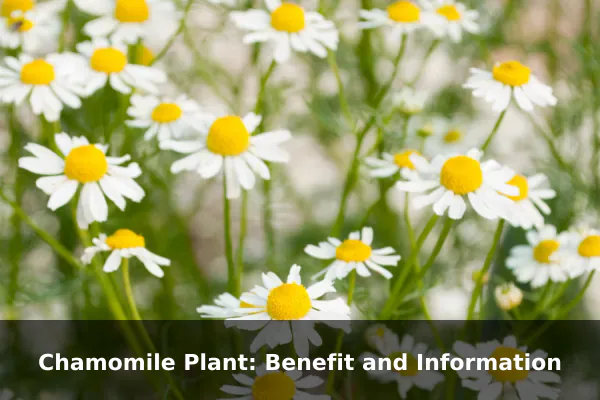
Chamomile is one of the most familiar herbs in the world, yet most people meet it only as a calming cup of tea served before bedtime. Behind that gentle reputation is a genuine flowering plant with daisy-like blooms, a soft apple-sweet scent, and a long history in traditional households and home gardens. Understanding chamomile as a living plant, rather than just a pantry ingredient, helps you grow it well, use it sensibly, and avoid common misunderstandings.
This guide takes a practical, evidence-aware look at chamomile. It explains what the plant is, how to identify and grow it, how it has traditionally been used, and what current health authorities actually say about its benefits and risks. The goal is to separate everyday folk uses from claims that are genuinely supported by reviewed evidence, so you can enjoy chamomile with realistic expectations.
What Is the Chamomile Plant?
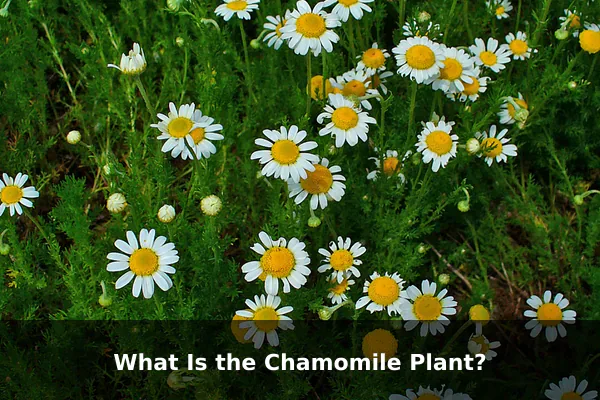
“Chamomile” is a common name shared by a few related plants in the daisy family (Asteraceae). The two most widely used are German chamomile and Roman chamomile. They look similar and are often used in comparable ways, but they are distinct species with different growth habits.
German chamomile (Matricaria chamomilla, also recorded under botanical synonyms by authorities such as the Royal Botanic Gardens, Kew) is an upright annual that reseeds easily and is the type most often grown for tea. Roman chamomile (Chamaemelum nobile) is a low, spreading perennial sometimes used as a fragrant ground cover or lawn alternative.
German vs. Roman Chamomile
- German chamomile: taller, annual, a prolific self-seeder, and the type most popular for dried tea flowers.
- Roman chamomile: shorter, perennial, and mat-forming, often chosen for scented garden paths and borders.
Key Botanical Characteristics
Recognizing chamomile is easier once you know its signature features. The plant produces small flower heads with white ray petals surrounding a raised yellow center, carried above feathery, finely divided green leaves. When the flowers or foliage are brushed, they release a mild, sweet aroma often compared to apples.
Appearance and Growth Habit
- Flowers: daisy-like heads, usually 1-2.5 cm wide, blooming over a long season.
- Leaves: thread-like and feathery, light to medium green.
- Height: German chamomile typically reaches 20-60 cm; Roman chamomile stays low and spreading.
- Harvested part: the flower heads are the main part collected for tea and other preparations.
Traditional Uses and Potential Benefits
Chamomile has been used for generations as a household herb. Traditionally, the dried flowers are steeped as a warm, mild tea, used in topical preparations such as compresses, and valued simply for their pleasant scent around the home.
When it comes to health benefits, careful wording matters. The U.S. National Center for Complementary and Integrative Health (NCCIH) notes that chamomile is commonly used for sleep, relaxation, and mild digestive discomfort, but explains that the scientific evidence is limited and not conclusive for many of these uses. The European Medicines Agency has assessed chamomile flower (Matricariae flos) as a traditional herbal medicine, a status based largely on long-standing use rather than strong clinical proof.
Commonly Cited Traditional Uses
- As a mild, comforting tea associated with relaxation and winding down.
- For occasional, minor digestive discomfort such as bloating.
- In topical or bath preparations intended to soothe the skin.
- As a fragrant herb and a pollinator-friendly garden plant.
It is reasonable to say chamomile may be supportive and soothing for some people, but it is not a treatment for medical conditions. Anyone with ongoing symptoms should speak with a qualified healthcare professional rather than relying on herbal tea alone.
How to Grow Chamomile at Home
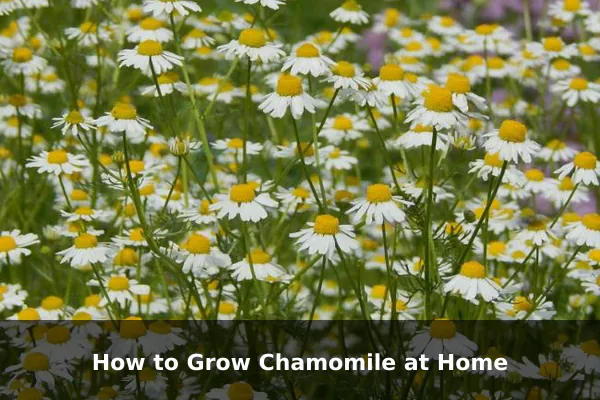
Chamomile is a beginner-friendly plant that rewards minimal effort, which is part of why it suits small gardens, containers, and sunny windowsills.
Light, Soil, and Watering
- Light: full sun is best, though chamomile tolerates light afternoon shade.
- Soil: light, well-draining soil; it does not need rich or heavily fertilized ground.
- Water: water moderately, letting the surface dry slightly between waterings, and avoid waterlogged roots.
Planting and Spacing
- Start seeds indoors a few weeks before the last frost, or sow directly once the soil warms.
- Press seeds lightly onto the surface, since they need light to germinate, and keep them lightly moist.
- Thin or space young plants about 15-20 cm apart for good airflow.
- Allow German chamomile to self-seed if you want it to return naturally each year.
Harvesting and Drying Chamomile Flowers
Harvesting is simple and can continue throughout the blooming season. Pick flower heads when the white petals are fully open and the centers are bright yellow, ideally on a dry morning after the dew has lifted.
Steps for Drying and Storing
- Gently pinch or snip the flower heads, leaving the stems behind.
- Spread them in a single layer on a clean tray or screen.
- Dry in a warm, airy, shaded spot away from direct sun until the heads feel papery.
- Store the fully dried flowers in an airtight container kept cool and dark, and use within several months for the best aroma.
Regular picking also encourages the plant to keep producing new blooms, extending your harvest window.
Safety, Allergies, and Who Should Be Careful
Although chamomile is widely used and generally well tolerated, it is not risk-free, and a few groups should be especially careful.
Allergy and Sensitivity
Because chamomile belongs to the Asteraceae family, people allergic to related plants such as ragweed, daisies, marigolds, or chrysanthemums may react to it. Allergic reactions are uncommon but, in rare cases, can be serious.
Pregnancy, Breastfeeding, and Medications
NCCIH advises caution and suggests discussing herbal products with a healthcare provider, particularly during pregnancy. NIH/NLM resources such as LactMed provide context for breastfeeding considerations, and chamomile may interact with certain medications, including blood thinners. NIH/NLM’s LiverTox resource also covers liver-safety context for herbal products in general. If you take prescription drugs or have a health condition, ask a pharmacist or doctor before using chamomile regularly.
Practical Safety Tips
- Introduce chamomile in small amounts to check your own tolerance.
- Choose products that clearly state the plant species and intended use.
- Be skeptical of bold cure-style claims on labels or marketing.
- Stop use and seek advice if you notice any reaction.
Main Takeaways
Chamomile is an easy, attractive, and rewarding plant that fits beautifully into home gardens and everyday routines. Its daisy-like flowers are simple to grow, harvest, and dry, and its gentle aroma has made it a household favorite for generations.
At the same time, a balanced view matters. Health authorities such as NCCIH and the European Medicines Agency treat chamomile mainly as a traditional herb with limited conclusive evidence, not a proven medicine. Enjoy it as a soothing tea and a pollinator-friendly garden flower, stay aware of allergy and interaction risks, and consult a healthcare professional for any genuine medical concern. With realistic expectations, chamomile remains one of the most pleasant and accessible plants you can grow at home.
Official references
- National Center for Complementary and Integrative Health (NCCIH) – Chamomile – NIH source for chamomile uses, evidence limits, side effects, allergies, pregnancy cautions, and drug-interaction safety notes.
- European Medicines Agency (EMA) – Matricariae flos – Regulatory herbal-medicine assessment for Matricaria recutita flower, useful for medicinal-use claims and safety framing.
- NCBI Bookshelf LiverTox – Chamomile – NIH/NLM reference for liver safety and adverse-event context related to chamomile products.
- NCBI Bookshelf LactMed – Chamomile – NIH/NLM reference for chamomile safety during breastfeeding and infant exposure considerations.
- Royal Botanic Gardens, Kew – Matricaria chamomilla L. – Authoritative botanical taxonomy, naming, distribution, and synonym data for German chamomile.
