
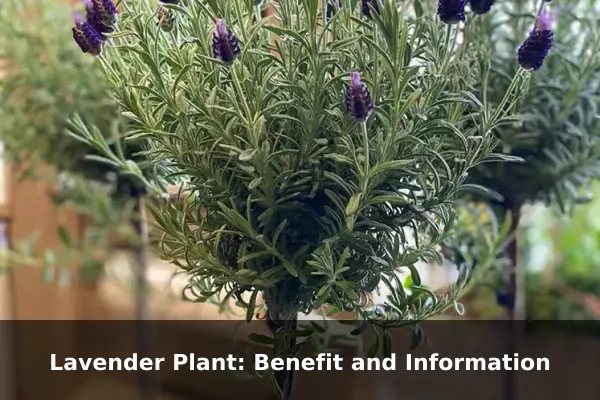
Few plants are as instantly recognizable as lavender. Its silvery-green foliage, slender flower spikes, and unmistakable sweet-herbal fragrance have made it a favorite in gardens, borders, and homes for centuries. Lavender belongs to the genus Lavandula, a group of aromatic shrubs grown for ornamental beauty, fragrance, and essential oil.
This guide brings together practical growing information and a cautious, evidence-aware look at lavender’s benefits. Because the value of lavender depends heavily on how it is used and prepared, claims about wellness effects should be read carefully rather than treated as guaranteed outcomes. Below you will find lavender’s botanical identity, garden care, common uses, possible benefits, and important safety considerations.
What Is the Lavender Plant?
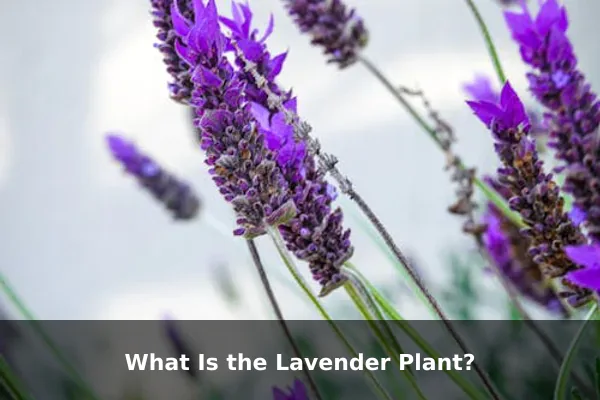
Lavender is a woody, aromatic perennial in the mint family (Lamiaceae). The most widely grown ornamental and culinary type is English lavender, Lavandula angustifolia, recognized by botanical authorities such as Kew’s Plants of the World Online as the accepted name for this species. Despite the common name, English lavender is native to the Mediterranean region rather than England.
The plant forms a compact, mounding shrub with narrow leaves and tall flower stalks topped by clusters of small purple, violet, or sometimes white or pink blooms. Nearly every part of the plant releases fragrance when brushed or crushed, which is one reason lavender is valued in both herb gardens and decorative landscapes.
Common Types of Lavender
- English lavender (Lavandula angustifolia) — cold-hardier, prized for fragrance and culinary use.
- Lavandin (Lavandula x intermedia) — a vigorous hybrid often grown for oil and long flower stems.
- Spanish and French lavenders — more tender types known for distinctive flower shapes.
Key Characteristics and Plant Information
Most garden lavenders grow into rounded shrubs roughly 1 to 3 feet tall and wide, depending on the variety and growing conditions. The foliage is typically gray-green and slightly fuzzy, while the flowers appear on upright spikes that rise above the leaves in late spring and summer.
Key features that make lavender popular include:
- Fragrance: Both flowers and foliage are strongly aromatic.
- Long bloom interest: Flower spikes provide weeks of color and attract pollinators.
- Versatility: Suited to herb beds, ornamental borders, low hedges, and containers.
- Drought tolerance: Once established, lavender handles dry, sunny sites well.
Growing Conditions Lavender Needs
Lavender thrives in conditions that mimic its Mediterranean origins. University extension guidance consistently emphasizes that lavender dislikes wet, heavy soil more than almost any other factor. Getting drainage and sunlight right is the foundation of success.
Sunlight and Soil
- Full sun: Aim for at least six to eight hours of direct light daily.
- Well-drained soil: Sandy or gravelly soils work well; avoid soggy, compacted ground.
- Soil pH: Lavender generally prefers neutral to slightly alkaline soil.
- Air circulation: Good spacing reduces humidity around the foliage and lowers disease risk.
Watering and Climate
Newly planted lavender needs regular watering until roots establish. After that, it is best to water sparingly and allow the soil to dry between waterings. Overwatering and poor drainage are the most common causes of lavender decline. In regions with cold winters, choose hardier types such as English lavender for the best chance of survival.
How to Plant and Care for Lavender
Lavender is not difficult to grow once its basic needs are met. The following steps suit most home gardeners:
- Choose the right spot: Pick the sunniest, best-drained location available.
- Improve drainage: Add coarse sand or grit, or plant on a slight mound or raised bed.
- Space generously: Allow room for air to move between plants.
- Water carefully: Water deeply but infrequently once established.
- Prune yearly: Light pruning after flowering keeps plants compact and discourages woody, leggy growth.
Growing Lavender in Containers
Lavender adapts well to pots, which is useful in small spaces or where garden soil drains poorly. Use a container with drainage holes, a gritty potting mix, and a sunny position. Container plants dry out faster, so check moisture regularly while still avoiding constantly wet soil.
Common Benefits and Uses of Lavender
Lavender’s appeal goes beyond its appearance. Many of its most reliable benefits are practical and non-medical:
- Fragrance: Fresh and dried flowers scent rooms, drawers, and linens.
- Ornamental value: Lavender adds structure and color to borders and low hedges.
- Crafts and home decor: Dried bundles and sachets are simple, popular projects.
- Aromatherapy: Lavender scent is widely used for a calming atmosphere.
Lavender is also studied for possible wellness uses, such as supporting relaxation and sleep. According to the National Center for Complementary and Integrative Health (NCCIH), research on lavender is ongoing, and evidence varies depending on the use and the form studied. It is reasonable to enjoy lavender’s fragrance, but readers should treat specific health claims cautiously and consult a qualified professional for any medical concern.
Lavender Oil and Safety Notes
Growing lavender in a garden is very different from using concentrated lavender essential oil or supplements. Essential oil is highly concentrated and requires more caution.
- Do not assume oil is safe to swallow: MedlinePlus notes that lavender oil can be poisonous if ingested, and ingestion may cause symptoms requiring medical attention.
- Use care around children and pets: Keep essential oils stored safely out of reach.
- Pregnancy and medications: Anyone pregnant, nursing, or taking medication should seek professional advice before using lavender products.
- Allergies and skin reactions: Some people may react to lavender; discontinue use if irritation occurs.
If poisoning is suspected, seek emergency guidance immediately. The safest approach is to enjoy lavender mainly as a garden and fragrance plant, and to treat oils and supplements as products that need informed, cautious use.
Lavender in the Garden and Home Uses
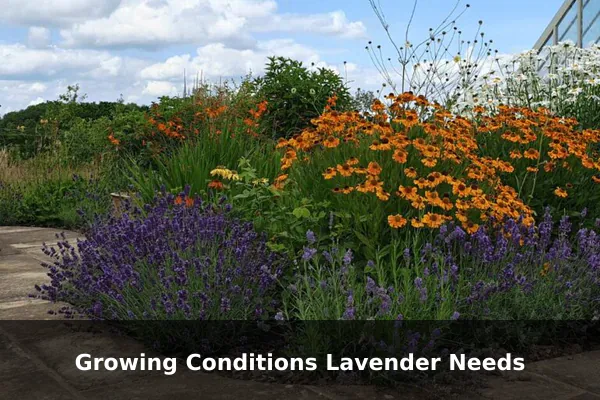
In the landscape, lavender fits naturally into low-water garden designs, sunny borders, and herb beds. Its flowers attract bees and other pollinators during bloom, making it a useful addition to pollinator-friendly plantings without overstating its ecological role.
Harvesting and Drying
For the best fragrance, harvest flower spikes when many buds have opened but the blooms are not yet fully spent. Cut stems in the morning, gather them into small bundles, and hang them upside down in a dry, airy, shaded spot. Dried lavender can be used in decorative bundles or sachets.
Frequently Asked Questions About Lavender
Is lavender easy to grow?
Yes, in the right conditions. With full sun and well-drained soil, lavender is generally low-maintenance.
Can lavender grow in pots?
Yes. Containers with drainage holes and gritty mix work well, especially in small spaces.
Does lavender come back every year?
Many types are perennial and return yearly when grown in a suitable climate, particularly hardier English lavender.
Is lavender oil safe to consume?
Not by default. Lavender essential oil can be harmful if swallowed, so it should not be ingested without professional guidance.
Final Takeaway
Lavender is a beautiful, fragrant, and genuinely useful plant. As a garden subject, it rewards gardeners who provide full sun, sharp drainage, and careful watering with years of color and scent. As a source of benefits, it offers reliable practical value through fragrance, crafts, and ornamental use, while its wellness uses deserve a cautious, evidence-aware approach. Enjoy lavender freely in the garden, and handle concentrated oils and supplements responsibly with trusted guidance.
Official references
- National Center for Complementary and Integrative Health – Lavender: Usefulness and Safety – NIH source for evidence-based claims about lavender uses, possible benefits, safety, side effects, and supplement cautions.
- MedlinePlus Medical Encyclopedia – Lavender oil – NIH/National Library of Medicine source for lavender oil safety, poisoning risk, symptoms, and emergency guidance.
- NCBI Bookshelf LiverTox – Lavender – Primary biomedical reference for lavender as an herbal supplement, including safety context and liver-injury evidence.
- Kew Science Plants of the World Online – Lavandula angustifolia Mill. – Authoritative botanical taxonomy source for accepted name, synonyms, family, and native range.
- North Carolina Extension Gardener Plant Toolbox – Lavandula angustifolia – University extension plant profile covering identification, growing conditions, toxicity notes, landscape uses, and care facts.
