
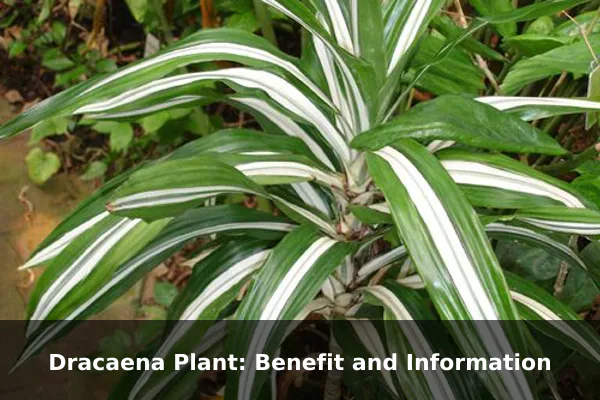
The Dracaena plant is one of the most beloved houseplants across the globe, and for good reason. With its striking, sword-shaped leaves and effortlessly graceful silhouette, dracaena brings a touch of tropical elegance to any indoor space. Whether you are decorating a minimalist apartment, brightening up a home office, or adding greenery to a commercial lobby, dracaena fits in beautifully — and asks very little in return.
Beyond its visual appeal, dracaena is celebrated for its practical benefits. From filtering indoor air pollutants to tolerating low-light conditions that would send other plants into decline, it is a plant that works hard while looking beautiful. If you are new to plant parenthood or simply looking for a dependable addition to your collection, dracaena deserves a spot in your home.
What Is the Dracaena Plant?
Dracaena is a large genus of flowering plants in the family Asparagaceae, native to Africa, southern Asia, and northern Australia. The name comes from the Greek word drakaina, meaning “female dragon” — a nod to the red resin produced by some species, historically used as a dye and varnish. Today, dracaena is primarily known as an ornamental houseplant, with over 120 recognized species ranging from compact tabletop varieties to tall, tree-like specimens.
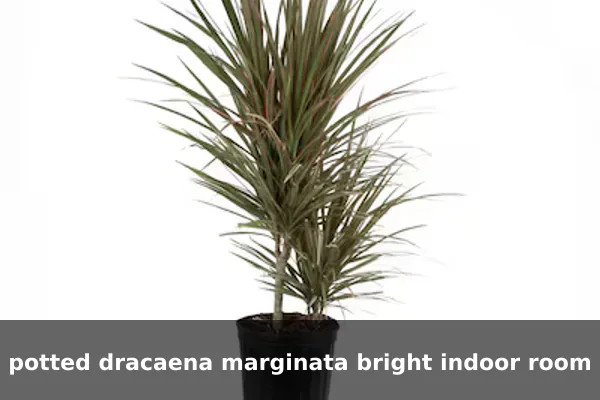
Some of the most commonly cultivated species include Dracaena marginata (Madagascar dragon tree), Dracaena fragrans (corn plant), Dracaena sanderiana (lucky bamboo), and Dracaena reflexa (song of India). Each variety carries its own distinctive leaf pattern, growth habit, and charm, making dracaena one of the most versatile plant genera for indoor gardening.
Key Benefits of Growing Dracaena
Air Purification
One of the most cited benefits of dracaena is its capacity to improve indoor air quality. The NASA Clean Air Study identified several dracaena species as effective at removing volatile organic compounds (VOCs) such as benzene, formaldehyde, xylene, and trichloroethylene from indoor environments. These chemicals are commonly emitted by furniture, paints, and synthetic fabrics — making dracaena a natural ally for healthier living spaces.
Low Maintenance and Resilience
Dracaena is widely regarded as one of the easiest plants to grow indoors. It tolerates low light, infrequent watering, and a range of indoor temperatures, making it ideal for beginners or busy plant owners who cannot commit to a demanding care routine. Its slow growth rate also means it will not quickly outgrow its container or require frequent repotting.
Aesthetic and Decorative Value
With its dramatic upright form and richly patterned leaves — featuring stripes, margins, and variegation in shades of green, yellow, red, and cream — dracaena adds strong visual interest to any room. It works as a statement floor plant, a shelf accent, or a desk companion, complementing both modern and traditional interior styles with ease.
Popular Dracaena Varieties and Their Traits
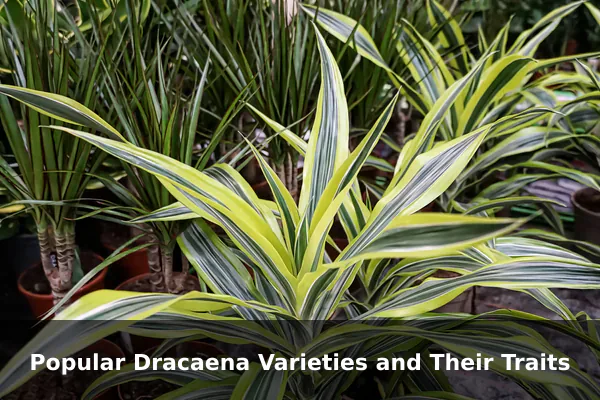
Choosing the right dracaena variety depends on your space, light conditions, and aesthetic preferences. Here are four widely grown types:
- Dracaena marginata (Madagascar Dragon Tree): Slender, arching red-edged leaves on tall woody stems. Great for corners and large spaces. Highly tolerant of neglect.
- Dracaena fragrans (Corn Plant): Broad, glossy leaves with a yellow-green central stripe. Grows large and has an impressive tropical look. One of the most common office plants.
- Dracaena sanderiana (Lucky Bamboo): Often sold in water or small pots. Slender green or variegated stalks, commonly associated with feng shui and good fortune. Not a true bamboo.
- Dracaena reflexa (Song of India): Dense, spiraling foliage with vivid yellow margins. Compact and ideal for windowsills or bright shelves.
How to Care for Your Dracaena
Light and Watering
Dracaena thrives in bright to moderate indirect light. Direct sunlight can scorch its leaves, while too little light slows growth and dulls leaf color. A spot near an east- or north-facing window is usually ideal for most varieties.
Water dracaena only when the top inch of soil feels dry — typically every one to two weeks indoors. Overwatering is the most common mistake. Use filtered or distilled water if possible, as dracaena is sensitive to fluoride and chlorine, which can cause unsightly brown leaf tips over time.
Soil, Temperature, and Fertilizing
Use a well-draining potting mix, ideally formulated for tropical plants. Dracaena prefers temperatures between 65–80°F (18–27°C) and does not tolerate frost. Average indoor humidity is sufficient, and regular misting is not necessary. Feed your dracaena with a balanced liquid fertilizer once a month during spring and summer. Reduce or stop fertilizing in fall and winter when growth naturally slows.
Common Problems and How to Fix Them
Even a resilient plant like dracaena can run into trouble. Here are the most common issues and practical fixes:
- Yellow leaves: Usually caused by overwatering or poor drainage. Allow soil to dry out fully and ensure the pot has adequate drainage holes.
- Brown leaf tips: Often a sign of fluoride sensitivity or low humidity. Switch to fluoride-free water and move the plant away from heating or cooling vents.
- Root rot: Results from consistently soggy soil. Remove affected roots, let the plant dry out, and repot in fresh, well-draining mix.
- Spider mites or scale insects: Treat with neem oil or insecticidal soap. Isolate the affected plant promptly to prevent spread to other houseplants.
- Pale or washed-out leaves: A sign of too much direct sun. Move the plant to a location with softer, filtered light.
Is Dracaena Safe for Pets?
This is a critical consideration for pet owners. Dracaena is toxic to both cats and dogs when ingested. The plant contains saponins, compounds that can cause symptoms such as vomiting, drooling, loss of appetite, and lethargy in household animals. In cats, ingestion can also lead to dilated pupils. If you have pets, place dracaena in elevated positions or in rooms your animals cannot access.
If you need a fully pet-safe alternative, consider areca palms, Boston ferns, or spider plants, all of which are non-toxic to cats and dogs. For households that love dracaena but also have curious pets, thoughtful placement and vigilance are the best approach.
In summary, the dracaena plant is a dependable, beautiful, and genuinely beneficial houseplant that earns its place in nearly any indoor environment. Its air-purifying properties, resilience, and striking visual appeal make it one of the smartest choices for plant enthusiasts at any skill level. Keep it away from pets, water it with care, avoid direct sun, and your dracaena will reward you with years of vibrant, healthy growth.
