
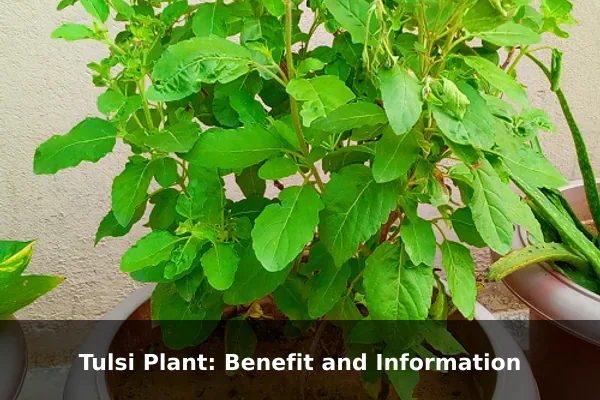
The Tulsi plant, botanically known as Ocimum tenuiflorum and widely called holy basil, is one of the most respected aromatic herbs in the world. It is grown in home gardens, courtyards, balconies, and small pots across tropical and subtropical regions, and it is valued for its distinct clove-like fragrance, attractive leaves, and long history of traditional household use.
This guide explains what the Tulsi plant is, how to identify it, where it grows naturally, what genuine benefits it offers, and how to care for it at home. Because Tulsi is often discussed in the context of wellness, this article frames health-related information cautiously and points you toward trusted botanical and medical sources rather than making unverified claims.
What Is the Tulsi Plant?
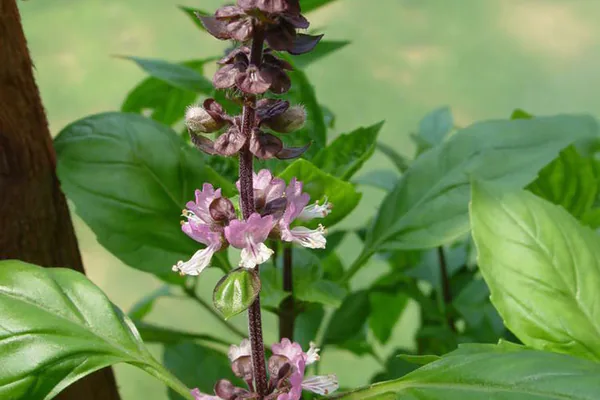
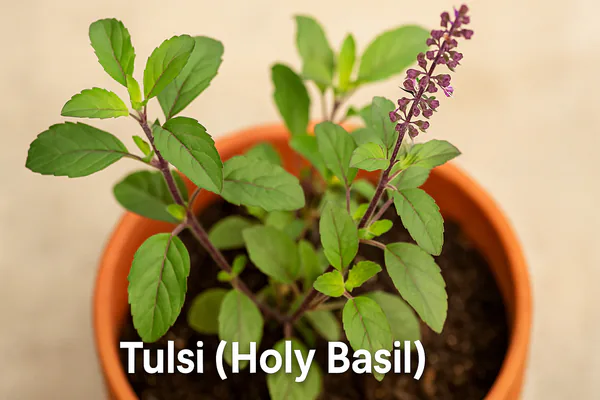
Tulsi, also known as holy basil, is a small aromatic shrub in the mint family (Lamiaceae). Its scientific name is Ocimum tenuiflorum (formerly Ocimum sanctum). The plant typically grows 30–60 cm tall, with branched stems, soft oval leaves with slightly toothed edges, and slender flower spikes bearing tiny purple or white blossoms.
Although Tulsi belongs to the same genus as common sweet basil (Ocimum basilicum), the two are not the same. Holy basil has a stronger, spicier, clove-and-pepper aroma, slightly hairy stems, and is traditionally used in herbal teas and rituals rather than as a pizza or pesto herb.
Common Names and Varieties
- Rama Tulsi – green-leaved type with a mild, sweet aroma.
- Krishna Tulsi – purple-tinted leaves with a stronger flavor.
- Vana Tulsi – a wild, more shrub-like form with hardy growth.
Botanical Profile and Natural Distribution
According to the Royal Botanic Gardens, Kew (Plants of the World Online), Ocimum tenuiflorum is native to a broad region across the Indian subcontinent and Southeast Asia, and is now cultivated in many warm parts of the world. The FAO EcoCrop database notes that Tulsi prefers warm temperatures, moderate rainfall, and well-drained soil, making it well suited to tropical home gardens and sunny indoor spots in cooler climates.
The North Carolina Extension Gardener Plant Toolbox describes holy basil as a tender perennial usually grown as an annual in temperate regions. It produces small flowers attractive to bees and other pollinators and tends to self-seed in suitable conditions.
Main Benefits of Tulsi
Tulsi is valued for several reasons that go beyond folklore. Most of its appeal comes from observable plant traits and traditional household use rather than any single confirmed medical effect.
Garden and Household Value
- Aromatic foliage that scents patios and balconies.
- Pollinator-friendly flowers that attract bees and butterflies.
- Compact size, suitable for pots, raised beds, and small spaces.
- Easy propagation from seed or cuttings.
Culinary and Beverage Use
Fresh or dried Tulsi leaves are commonly used to make herbal teas, sometimes blended with ginger, lemon, or honey. In some regional cuisines, the leaves season soups, stir-fries, and broths in small amounts, contributing a warm, slightly peppery flavor.
Cultural and Traditional Significance
Tulsi has deep cultural importance in South Asian households, where it is often grown in a central spot in the courtyard and treated with great respect. It also appears in traditional wellness practices such as Ayurveda, where it has been used for generations as a household remedy.
What Research Says About Health Claims
You will see Tulsi described in many places as a calming, immune-supportive, or adaptogenic herb. A peer-reviewed systematic review published on PubMed (“The Clinical Efficacy and Safety of Tulsi in Humans”) found that while early human studies suggest possible benefits in areas like stress, metabolic markers, and general well-being, the existing trials are limited in size and quality.
In other words, current evidence is encouraging but not conclusive. Tulsi should be viewed as a traditional supportive herb rather than a treatment for any specific disease. It is not a substitute for prescribed medication, professional diagnosis, or proven medical therapy.
Safety and Supplement Cautions
The U.S. National Center for Complementary and Integrative Health (NCCIH) advises that herbal products, including those sold as capsules, powders, or extracts, can vary in quality, may interact with medications, and are not always tested for safety in vulnerable groups. With that guidance in mind, consider the following:
- Talk to a qualified clinician before using Tulsi supplements if you are pregnant, breastfeeding, planning surgery, or taking prescription medication (especially blood thinners or diabetes drugs).
- Use Tulsi tea and culinary leaves in moderate, food-like amounts.
- Choose reputable brands if buying dried Tulsi or extracts, and check labels for purity information.
- Stop use and seek advice if you notice any unusual reaction.
How to Grow Tulsi at Home
Tulsi is generally considered a beginner-friendly herb. With the right warmth, light, and watering, it grows quickly from seed and rewards regular harvesting with bushier growth.
Light and Temperature
- Provide 6+ hours of bright sunlight daily, or a very sunny windowsill indoors.
- Keep temperatures comfortably warm; Tulsi is sensitive to cold and frost.
Soil, Watering, and Containers
- Use well-drained, fertile soil or a quality potting mix.
- Water when the top 2–3 cm of soil feels dry; avoid soggy roots.
- Choose pots with drainage holes at least 20–25 cm wide for healthy growth.
Feeding and Pruning
- Feed lightly with a balanced organic fertilizer during active growth.
- Pinch the growing tips regularly to keep the plant bushy.
- Remove flower spikes if you want more leaf production.
Harvesting and Everyday Uses
Begin harvesting once the plant has several sets of mature leaves. Snip stems just above a leaf pair to encourage branching, and never remove more than about one-third of the plant at a time.
- Fresh leaves: rinse and steep 5–7 leaves in hot water for a simple tea.
- Drying: hang small bundles upside down in a warm, airy, shaded spot until brittle.
- Storage: keep dried leaves in an airtight jar away from light.
Common Problems and Care Tips
Most Tulsi issues are easy to solve once you spot them early.
- Leggy growth: usually means too little light – move to a brighter spot.
- Yellow leaves: often a sign of overwatering or poor drainage.
- Pests: watch for aphids, whiteflies, and spider mites; rinse leaves and use mild horticultural soap if needed.
- Early flowering: pinch off buds to extend leaf production.
- Tired old plants: refresh by taking cuttings or sowing new seeds each season.
Tulsi Plant FAQ
Is Tulsi the same as basil?
No. Tulsi (Ocimum tenuiflorum) and sweet basil (Ocimum basilicum) are related but distinct species with different aromas, uses, and traditions.
Can Tulsi grow indoors?
Yes, if it receives several hours of direct sunlight daily and is kept warm. A south- or west-facing window usually works best.
How often should I water Tulsi?
Water when the top layer of soil feels dry. In hot weather this may be daily; in cooler indoor conditions, every few days.
Is Tulsi safe to consume every day?
Most people tolerate small culinary amounts and occasional Tulsi tea well, but daily long-term use, concentrated extracts, or use during pregnancy and medication should be discussed with a healthcare professional first.
Conclusion
The Tulsi plant offers a rare combination of beauty, fragrance, culinary use, and cultural depth, all in a compact and beginner-friendly herb. As a garden or container plant, it is rewarding and easy to grow with sunlight, warmth, and well-drained soil. As a traditional herb, it deserves respect and moderation: enjoy it in food and tea, follow trusted botanical and medical guidance, and consult a clinician before using stronger supplements. Grown thoughtfully, Tulsi can be a fragrant, useful, and meaningful addition to almost any home.
Official references
- Royal Botanic Gardens, Kew – Plants of the World Online: Ocimum tenuiflorum – Authoritative botanical taxonomy, synonyms, distribution, morphology, and documented uses for Tulsi/holy basil.
- North Carolina Extension Gardener Plant Toolbox – Holy Basil – University extension profile useful for practical plant description, growth habit, garden use, and care information.
- FAO EcoCrop – Ocimum tenuiflorum – International organization crop database with climate, cultivation, common names, and agronomic context.
- PubMed – The Clinical Efficacy and Safety of Tulsi in Humans: A Systematic Review of the Literature – Peer-reviewed systematic review focused on human evidence and safety, useful for avoiding overstated health-benefit claims.
- National Center for Complementary and Integrative Health – Using Dietary Supplements Wisely – Official NIH guidance for framing herbal supplement benefits, risks, evidence limits, and clinician-consultation advice.
