
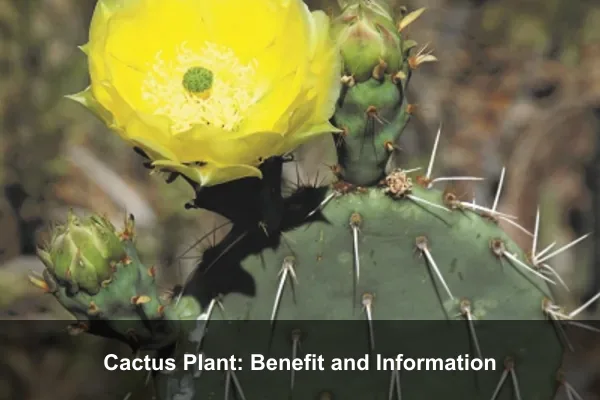
The cactus plant has become one of the most loved choices for modern homes, offices, and small gardens. With their unique shapes, low water needs, and striking presence, cactus plants offer a perfect mix of beauty and convenience for both new and experienced plant lovers.
In this guide, you will learn what a cactus really is, the most important benefits it provides, popular varieties to grow at home, and the essential care tips that keep it healthy. Whether you are looking for a decorative accent or a beginner-friendly green companion, understanding the cactus will help you enjoy it for many years.
What Is a Cactus Plant?
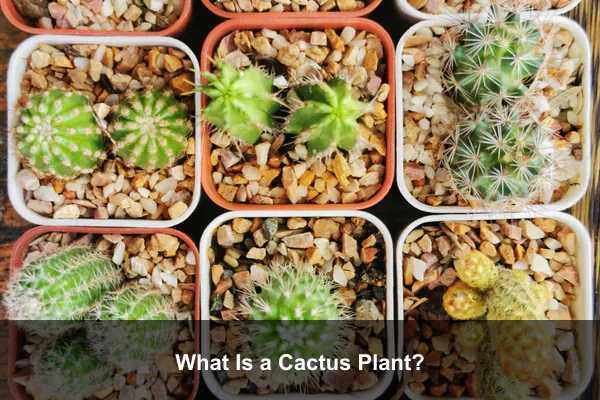
A cactus is a type of succulent that belongs to the family Cactaceae. These plants are specially adapted to thrive in dry, harsh environments such as deserts, rocky slopes, and arid grasslands. Their fascinating shapes are not just decorative — every feature serves a survival purpose.
Key Features of Cactus Plants
- Thick, fleshy stems that store water for long dry periods.
- Spines instead of leaves, which reduce water loss and provide protection from animals.
- Waxy outer skin that locks in moisture under intense sunlight.
- Shallow but wide root systems designed to absorb even light rainfall quickly.
Because of these adaptations, cactus plants can survive weeks or even months without water, making them ideal for busy households and dry climates.
Main Benefits of Cactus Plants
Cactus plants offer far more than good looks. They bring practical, decorative, and even wellness-related benefits to any space.
1. Extremely Low Maintenance
Cactus plants need minimal watering, rarely require fertilizer, and tolerate a wide range of conditions. They are an excellent option for people who travel often or forget to water their plants regularly.
2. Stylish Indoor Decoration
From minimalist shelves to boho corners, a cactus instantly adds texture and personality. Their sculptural forms work well in modern, rustic, and Scandinavian interiors.
3. Space Efficiency
Most cactus plants grow slowly and stay compact, which makes them perfect for small apartments, desks, windowsills, and tiny balconies.
4. Air Quality Support
Like many houseplants, cacti contribute to fresher indoor air. Some species continue exchanging gases at night, which can be beneficial in bedrooms.
5. Drought Tolerance
If you live in a hot region or struggle with consistent watering schedules, cactus plants forgive long gaps and still look healthy.
6. Long Lifespan
With proper conditions, many cactus species live for decades, becoming long-term companions rather than disposable decor.
Popular Types of Cactus for Home Growing
There are thousands of cactus species, but a handful are especially popular for indoor and home garden growing because of their size, beauty, and ease of care.
- Bunny Ear Cactus (Opuntia microdasys) — Recognizable for its flat, ear-shaped pads. Cute but covered with fine bristles, so handle with care.
- Barrel Cactus (Ferocactus) — A rounded, ribbed cactus that adds a classic desert look to any room.
- Moon Cactus (Gymnocalycium mihanovichii) — Famous for its colorful red, yellow, or pink top grafted on a green base.
- Christmas Cactus (Schlumbergera) — A tropical cactus that produces bright flowers during the holiday season.
- Prickly Pear (Opuntia) — A larger species with edible fruits and pads, great for outdoor gardens.
- Golden Barrel Cactus — A statement plant with golden spines, ideal for sunny rooms.
How to Care for a Cactus Plant
Although cacti are tough, they still need the right conditions to truly thrive. The good news is that their care routine is simple once you understand the basics.
Light Requirements
Most cactus plants love bright, direct sunlight. Place them near a south- or east-facing window. If kept in low light for too long, they may stretch out and lose their compact shape.
Watering Frequency
The golden rule is: water deeply but infrequently. Allow the soil to dry out completely between waterings. As a general guide:
- Water every 2–3 weeks in spring and summer.
- Reduce to once a month or less in autumn and winter.
- Always check the soil with your finger before watering.
Soil and Pot Drainage
Use a well-draining cactus or succulent mix, which usually contains sand, perlite, and a small amount of organic matter. Always choose pots with drainage holes to prevent water from pooling at the roots.
Temperature and Airflow
Cacti enjoy warm days (21–32°C) and slightly cooler nights. They appreciate good air circulation but should be kept away from cold drafts and freezing windows.
Common Problems and Simple Solutions
Even resilient plants face issues sometimes. Here are the most common cactus problems and how to fix them quickly.
- Root rot — Caused by overwatering or poor drainage. Repot in dry, fresh cactus mix and trim away mushy roots.
- Shriveled stems — Usually a sign of underwatering. Give a deep watering and observe over the next week.
- Yellow or brown spots — Often sunburn from sudden exposure to intense light. Move the plant gradually to brighter spots.
- Mealybugs or scale — Wipe affected areas with a cotton swab dipped in diluted alcohol.
- No growth — Could be due to insufficient light, cold temperatures, or a dormant winter phase, which is normal.
Cactus Plant Safety and Placement Tips
Cactus spines are part of their charm, but they require thoughtful placement, especially in homes with children or pets.
Safe Placement Ideas
- Place spiny cacti on high shelves or hanging planters out of reach.
- Keep them away from walkways and narrow corridors.
- Choose spineless varieties like Christmas cactus for child-friendly rooms.
Handling Spines Safely
When repotting or moving a cactus, wrap it in thick newspaper or use kitchen tongs lined with cloth. Wear gloves and avoid touching tiny bristles with bare hands.
Best Spots for Indoor and Outdoor Use
Indoors, cacti shine on sunny windowsills, study desks, and bright bathroom corners. Outdoors, they are excellent for rock gardens, dry borders, and patio containers in warm climates.
Why Cactus Plants Are a Good Choice for Beginners
If you are new to growing plants, the cactus is one of the most forgiving companions you can choose. It thrives on neglect rather than constant attention, which removes much of the pressure beginners often feel.
- Hard to kill when given enough light and minimal water.
- Inexpensive and widely available in nurseries and online shops.
- Long-lasting, allowing you to learn and grow alongside your plant.
- Versatile, fitting any decor style from modern to rustic.
Conclusion
The cactus plant proves that simple plants can deliver extraordinary value. With its sculptural beauty, low water needs, and remarkable adaptability, it suits nearly every lifestyle — from busy professionals to first-time plant owners. By understanding its basic needs for light, well-draining soil, and minimal watering, you can enjoy a healthy cactus for years, even decades.
Whether you choose a tiny moon cactus for your desk or a tall barrel cactus for your living room, this resilient plant rewards you with timeless charm and an effortless green presence. Start with one, learn its rhythm, and you may soon find yourself building a small cactus collection of your own.
