
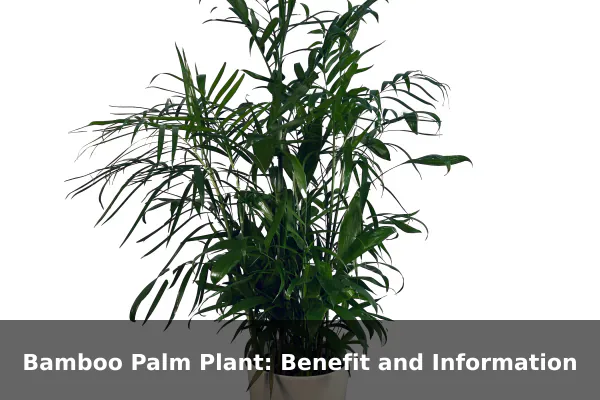
The bamboo palm is one of the most graceful tropical plants you can grow indoors, valued for its slender, cane-like stems and soft, feathery fronds that bring a relaxed, resort-like feel to a room. Although it is not a true bamboo, its upright clumping habit creates a similar look, which is exactly how it earned its common name.
This guide explains what the bamboo palm actually is, the realistic benefits it offers, how to care for it, and the safety details worth knowing. Wherever popular claims tend to be exaggerated — especially around air purification — the tone here stays cautious and grounded in botanical and research-based sources.
What Is a Bamboo Palm Plant?
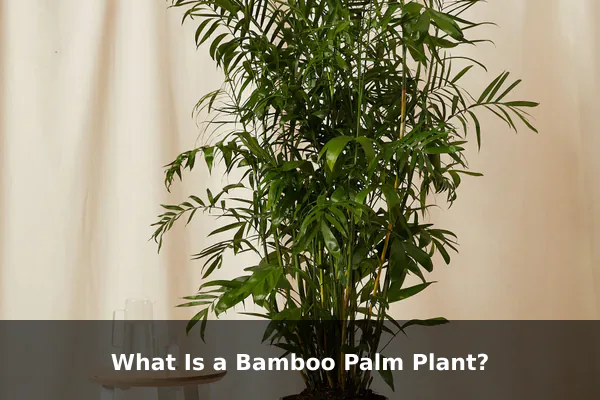
The plant most often sold as bamboo palm is Chamaedorea seifrizii, a small, clump-forming palm native to Mexico and parts of Central America. It belongs to the large Chamaedorea genus, a group of understory palms that naturally grow beneath taller forest canopies. That shaded origin is the main reason these palms tolerate lower indoor light so well.
Botanical identity and common names
Chamaedorea seifrizii is the accepted scientific name recognized by botanical authorities. You may also see it labeled as reed palm, and it is sometimes confused with other slender Chamaedorea species sold for the same indoor use. Grown in a container, it usually reaches about 4 to 7 feet tall while staying narrow enough to fit comfortably beside furniture.
Key identifying features
- Multiple thin, green, bamboo-like stems rising together from a clump.
- Pinnate, feather-shaped fronds made up of many narrow leaflets.
- A slow to moderate growth rate that suits long-term container life.
- Small fruits that may appear on mature plants grown in good conditions.
Main Benefits of Bamboo Palm Indoors
The strongest and most reliable benefits of a bamboo palm are practical and decorative rather than medical. It earns its place by improving how a space looks and feels.
Decorative and practical value
- Soft tropical structure: the arching fronds add height and a calming, natural texture without a heavy visual footprint.
- Living privacy screen: grouped or placed in a wide pot, the upright stems can gently separate areas of an open room.
- Low-light tolerance: as an understory palm, it copes with bright, indirect light and moderate shade better than many decorative plants.
- Humidity-friendly: it generally appreciates the slightly more humid conditions found in bathrooms or near other grouped plants.
These benefits are most noticeable when the plant is healthy, so consistent care matters more than any single feature.
The Truth About Bamboo Palm and Air Purification
The bamboo palm is frequently marketed as an air-purifying plant. That reputation traces back to a NASA technical report from the late 1980s, which tested how certain plants removed pollutants from air inside small, sealed laboratory chambers. In that controlled setting, several houseplants did reduce specific compounds.
More recent peer-reviewed analysis, however, urges caution. A review published in a Nature-affiliated journal concluded that potted plants, in realistic homes and offices, have a very limited measurable effect on indoor air quality, because normal ventilation exchanges air far faster than a few plants can clean it. The honest takeaway: enjoy a bamboo palm for its beauty and the comfort of greenery, but do not rely on it as an air-cleaning device.
How to Care for Bamboo Palm
Bamboo palm care is straightforward once you match its forest-understory preferences. The goal is steady moisture, gentle light, and minimal stress.
Light requirements
Provide bright, indirect light for the fullest growth. The plant tolerates moderate shade, but very dark corners lead to thin, sparse fronds. Avoid harsh, direct afternoon sun, which can scorch the leaflets.
Watering and soil
Use a well-draining potting mix and a container with drainage holes. Water when the top inch or two of soil feels dry, then water thoroughly until excess drains away. Bamboo palm dislikes soggy roots, so empty any saucer that collects standing water.
Humidity, temperature, and feeding
- Humidity: average to slightly above-average humidity suits it, and grouping plants helps.
- Temperature: keep it in typical warm room conditions and away from cold drafts and heating vents.
- Fertilizer: feed lightly during the active growing season with a balanced houseplant fertilizer, and reduce feeding in low light or cooler months.
Common Problems, Pests, and Maintenance
Most issues with bamboo palm come from environment and watering rather than disease.
Pests to watch for
Spider mites and scale are the most common indoor pests, especially in dry air. Inspect the undersides of fronds regularly, and treat early by wiping leaves, rinsing the plant, or using an appropriate insecticidal treatment.
Leaf and watering issues
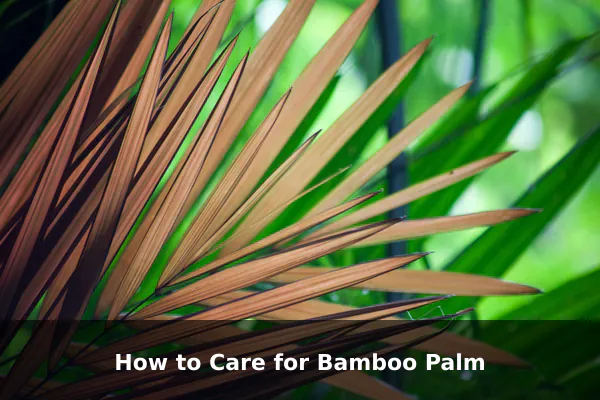
- Brown leaf tips: often linked to dry air, inconsistent watering, or salt buildup from fertilizer.
- Yellowing fronds: can signal overwatering or poor drainage.
- Drooping or thinning growth: frequently a sign of too little light.
For maintenance, trim only fronds that are fully brown or dead, and avoid cutting the green growing stems, since each cane will not regrow leaves from a cut point.
Is Bamboo Palm Safe for Homes?
Bamboo palm is generally considered a low-risk houseplant, which adds to its popularity in family spaces. Extension references describe only low-severity concerns: its fruits are listed with low toxicity if eaten, and contact with the plant may cause minor skin irritation in sensitive individuals.
As a sensible precaution, keep fallen fruits and plant debris out of reach of young children and curious pets, and wash your hands after pruning. If a child or animal ingests any plant part and you are concerned, contact a medical professional, poison control, or a veterinarian for guidance.
Best Places to Use Bamboo Palm in Home Design
Because it stays slim and tolerates indirect light, the bamboo palm fits many interior styles.
- Living rooms: use it in a bright corner to add height beside a sofa or media unit.
- Home offices: a calming green backdrop that does not crowd a desk.
- Entryways: a welcoming vertical accent where there is reliable indirect light.
- Grouped displays: cluster it with other tropical foliage to create a layered, plant-filled corner.
Always match placement to light, because a stylish spot in deep shade will slowly weaken the plant.
Quick Buying and Growing Tips
Before bringing one home, a short checklist helps you choose a healthy specimen and set realistic expectations.
- Choose a plant with firm green stems and full, evenly colored fronds.
- Check frond undersides and stems for pests, sticky residue, or webbing.
- Confirm the pot has drainage holes and the soil is not waterlogged.
- Pick a size that suits your space, since each cane keeps a fixed height.
- Expect steady but unhurried growth rather than rapid results indoors.
Key Takeaway
The bamboo palm is most valuable as an attractive, adaptable, and relatively easygoing indoor plant. Its real strengths are visual softness, tolerance of indirect light, and a low-risk safety profile, while its widely promoted air-purifying powers should be viewed realistically. Give it bright indirect light, careful watering, and stable warmth, and a bamboo palm can stay a graceful feature of your home for many years.
Official references
- NC State Extension Gardener Plant Toolbox: Chamaedorea seifrizii – Exact bamboo palm species profile with care facts, growing conditions, pest issues, and low-severity human toxicity notes for fruits/contact dermatitis.
- Missouri Botanical Garden Plant Finder: Chamaedorea seifrizii – Authoritative botanical-garden reference for identification, native range, culture, indoor/container use, and common problems.
- Royal Botanic Gardens, Kew: Plants of the World Online – Primary taxonomy anchor for the accepted scientific name, synonyms, distribution, and botanical authority.
- NASA Technical Reports Server: Interior Landscape Plants for Indoor Air Pollution Abatement – Original NASA technical report behind many bamboo palm air-purifying claims; useful as the primary historical source, with context limits noted.
- Journal of Exposure Science & Environmental Epidemiology: Potted plants do not improve indoor air quality – Peer-reviewed review that contextualizes and challenges overstated houseplant air-purification claims in real indoor environments.
