
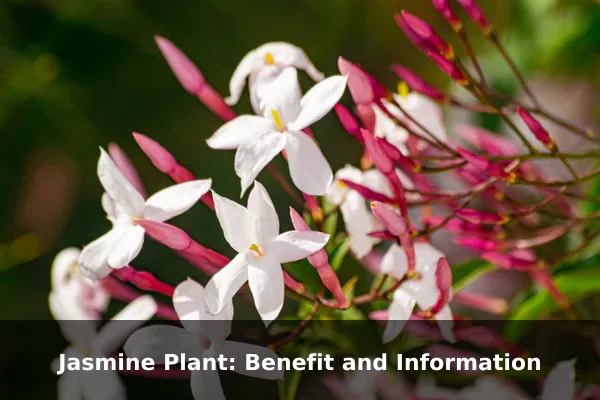
Few garden plants are as instantly recognizable as jasmine, a name long linked with sweet evening fragrance, delicate pale blooms, and graceful climbing growth. Whether trained along a fence, draped over a trellis, or grown in a container near a doorway, the jasmine plant brings both visual softness and a memorable scent to gardens and sheltered outdoor spaces.
This guide explains what jasmine actually is, how to identify it, and how to grow it well. It also looks at the realistic benefits of the plant — sensory, ornamental, and cultural — while keeping any health-related claims cautious and grounded in reliable botanical and regulatory sources.
What Is the Jasmine Plant?
The word jasmine refers to plants in the genus Jasminum, which belongs to the olive family, Oleaceae. The genus includes many shrubs and vines grown across warm and temperate regions for their fragrant flowers. Because so many species share the common name, it helps to know which one you have before making decisions about care or use.
The species most often called common jasmine or poet’s jasmine is Jasminum officinale. Plants of the World Online from the Royal Botanic Gardens, Kew lists this as the accepted scientific name for the widely cultivated white-flowered jasmine. Related species, such as Jasminum grandiflorum, are also grown commercially for fragrance.
True Jasmine Versus Look-Alikes
Several plants are sold under the jasmine name but are not true Jasminum. Star jasmine (Trachelospermum jasminoides) and night-blooming jasmine (Cestrum nocturnum) belong to entirely different genera. When buying a plant for a specific purpose, always check the scientific name on the label rather than relying on the common name alone.
Key Botanical Features
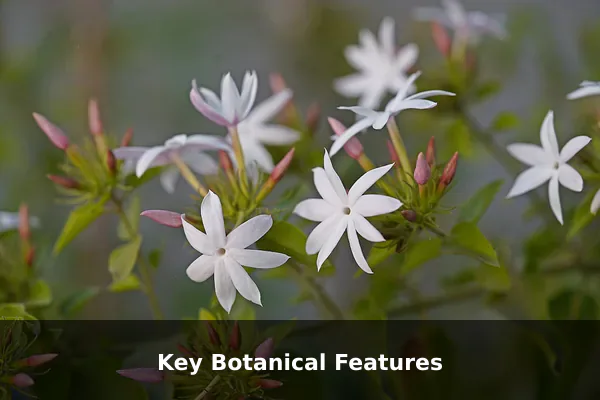
Most ornamental jasmines are valued for the same core traits. University extension and botanical garden references describe common jasmine as a twining, semi-evergreen to deciduous climber with the following features:
- Flowers: small, star-shaped, usually white or pale, often opening in clusters.
- Fragrance: a strong, sweet scent that is frequently most noticeable in the evening.
- Leaves: compound leaves made up of several small leaflets along each stem.
- Growth habit: long, flexible stems that climb when given support, or arch into a loose shrub form.
- Bloom season: typically summer into early autumn, depending on species and climate.
Forms You May Find
Jasmine is sold as climbing vines for trellises, as compact container plants, and as trailing or shrubby cultivars. Choosing a form that matches your space makes long-term care much easier.
Natural Range and Garden Use
Common jasmine is native to a broad region stretching across parts of Asia, and it has been cultivated and naturalized well beyond its original range. It generally performs best in mild, frost-light climates, although it can be grown in containers and moved to shelter where winters are cold.
In the landscape, jasmine is valued as a flexible, fragrant plant. Typical uses include:
- Covering trellises, arbors, pergolas, and fences.
- Softening walls and screening less attractive views.
- Growing in pots near patios, entryways, and seating areas where the scent can be enjoyed.
- Adding height and movement to mixed garden beds.
Main Benefits of Jasmine Plant
The most dependable benefits of growing jasmine are sensory and ornamental rather than medical. Framed honestly, the plant offers several genuine advantages.
Fragrance and Garden Atmosphere
The signature reward of jasmine is its scent. Planted near windows or outdoor seating, it can make a space feel calming and pleasant, especially in the evening when many jasmines release fragrance most strongly.
Ornamental Beauty
With its tidy foliage and abundant blooms, jasmine adds a soft, classic look to vertical surfaces. It is a practical choice for gardeners who want both flowers and greenery from a single plant.
Pollinator and Cultural Value
Flowering plants like jasmine can attract pollinating insects during bloom. Jasmine also carries strong cultural meaning in many regions, where the flowers are woven into garlands, decorations, and ceremonies.
Jasmine Oil, Tea, and Traditional Uses
Jasmine has a long history in fragrance and flavor products. The U.S. FDA lists jasmine oil among substances added to food as a flavoring agent, which reflects its regulated use in commercial flavor and fragrance applications rather than a medical endorsement.
The plant also appears in ethnobotanical records. The USDA-hosted Dr. Duke’s Phytochemical and Ethnobotanical Databases document reported compounds and traditional uses for Jasminum officinale. Important: traditional or historical use is not the same as proven medical treatment.
A Note on Jasmine Tea
Most jasmine tea is regular tea scented with jasmine blossoms, not a medicinal preparation. If you are considering any edible or therapeutic use, confirm the exact species, use food-grade products, and consult a qualified professional for health concerns.
How to Grow Jasmine Successfully
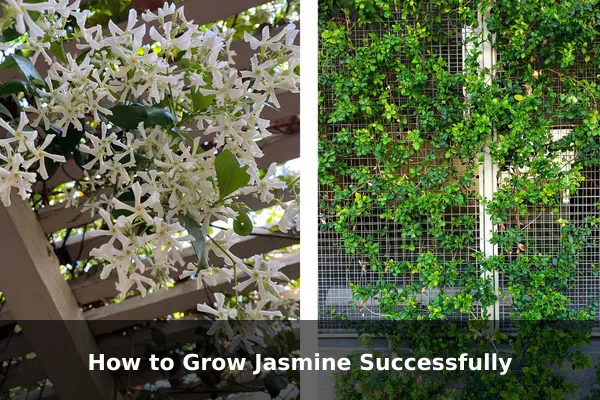
Drawing on guidance from sources such as NC State Extension and the Missouri Botanical Garden, common jasmine is reasonably easy to grow when its basic needs are met.
- Light: provide full sun to light partial shade; more sun generally encourages more flowers.
- Soil: use moist, well-drained soil enriched with organic matter, and avoid waterlogged ground.
- Watering: keep the soil consistently moist during active growth, letting the surface dry slightly between waterings.
- Support: install a trellis, wires, or arch early so climbing stems can be trained.
- Pruning: prune after flowering to control size, remove dead wood, and shape the plant.
- Temperature: protect plants from hard frost, and grow in containers in cold regions so they can be sheltered.
Container Growing
Jasmine adapts well to pots with drainage holes and a quality potting mix. Container plants need more frequent watering and benefit from occasional feeding during the growing season.
Common Problems and Safety Notes
Jasmine is generally trouble-free but can face a few issues. Common pests include aphids, mealybugs, and spider mites, while overwatering and poor drainage can lead to root problems and yellowing leaves. Insufficient light often results in lush stems but few flowers.
For safety, keep these points in mind:
- Confirm the exact species before assuming any plant labeled “jasmine” is edible or safe.
- Some plants marketed as jasmine, such as night-blooming Cestrum, are not true jasmine and may be toxic.
- Verify pet and child safety with a reliable source for your specific plant.
Quick Jasmine Plant Care Summary
Use this quick recap for healthy, fragrant jasmine:
- Light: full sun to light shade.
- Soil: rich, moist, well-drained.
- Water: regular moisture, never soggy soil.
- Support: trellis or wires for climbing types.
- Pruning: trim after flowering.
- Bloom: mainly summer into autumn.
- Best use: fragrant screens, trellises, and patio containers.
Conclusion
The jasmine plant earns its lasting popularity through fragrance, graceful climbing growth, and easy ornamental charm rather than dramatic medical claims. By identifying the correct species, meeting its needs for light, water, and support, and treating fragrance and beauty as the main rewards, gardeners can enjoy jasmine confidently. For edible, flavor, or traditional-use questions, lean on official botanical and regulatory sources and keep expectations realistic.
Official references
- Royal Botanic Gardens, Kew – Plants of the World Online: Jasminum officinale L. – Authoritative taxonomy, accepted scientific name, family, native range, distribution, synonyms, and basic botanical status for common jasmine.
- North Carolina Extension Gardener Plant Toolbox – Jasminum – University extension reference for genus-level plant traits, growing conditions, flower and leaf descriptions, pests, and landscape use.
- Missouri Botanical Garden Plant Finder – Jasminum officinale – Botanical garden reference for common jasmine cultivation, morphology, bloom period, problems, and ornamental uses.
- U.S. FDA Substances Added to Food – Jasmine oil – Primary regulatory source for jasmine oil as a food flavoring/adjuvant and related GRAS/CFR references; useful when discussing edible or flavor uses.
- USDA National Agricultural Library – Dr. Duke's Phytochemical and Ethnobotanical Databases: Jasminum officinale – Government database for reported phytochemicals, plant parts, and ethnobotanical/medicinal-use references; useful for cautious benefit discussion without overstating efficacy.
