
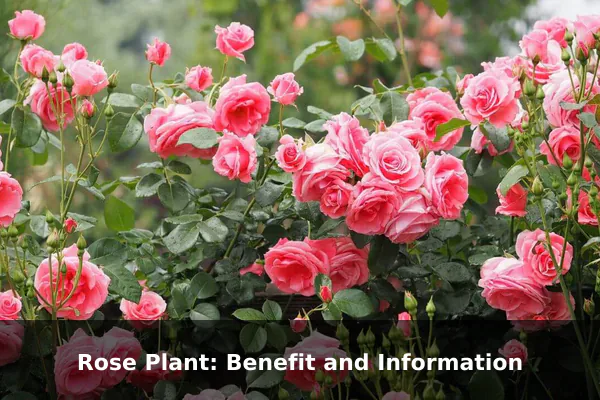
Rose plants are among the most beloved flowering plants in the world, admired for their vibrant blooms, rich fragrance, and timeless appeal. Found in gardens, parks, and homes across every continent, the rose has earned its place as one of the most recognized ornamental plants in history. Whether you want to add color to your garden or simply enjoy a fragrant bloom near your window, roses offer beauty and practical value in equal measure.
Beyond decoration, rose plants bring real benefits — from supporting garden pollinators to inspiring everything from perfumes to herbal teas. This guide covers the key facts about rose plants, their main benefits, popular types, growing needs, and essential care tips to help beginners and enthusiasts grow them with confidence.
What Is a Rose Plant?
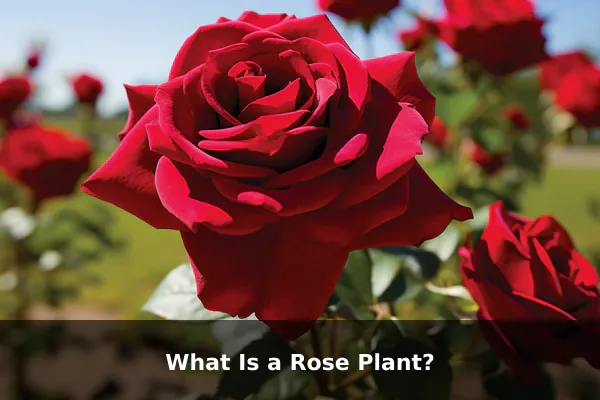
The rose plant belongs to the genus Rosa in the family Rosaceae, a group that includes more than 300 wild species and tens of thousands of cultivated varieties. Roses are woody perennial flowering plants that produce blooms in nearly every color imaginable, from deep red and soft pink to white, yellow, orange, and lavender.
Key characteristics of rose plants include:
- Thorny or prickly stems (technically called prickles)
- Compound leaves with toothed leaflets
- Flowers with five petals in wild species, more in cultivated varieties
- A distinctive fragrance present in most varieties
- Seasonal blooming, with some modern types reblooming throughout the growing season
Roses grow as shrubs, climbers, or compact plants depending on the variety, making them suitable for a wide range of garden styles and spaces.
Main Benefits of Rose Plants
Aesthetic and Decorative Value
Rose plants are a top choice for adding color and structure to gardens, borders, and hedges. Their blooms range from subtle pastels to bold jewel tones, making it easy to complement any landscape design. As cut flowers, roses are long-lasting in vases and widely used in floral arrangements for homes and events.
Fragrance and Emotional Well-Being
The scent of roses is one of the most studied natural fragrances in aromatherapy. Research suggests that rose fragrance can reduce stress and anxiety, promote relaxation, and improve mood. Planting fragrant varieties near seating areas or open windows lets you enjoy these calming benefits throughout the day.
Support for Pollinators
Open-form rose varieties attract bees, butterflies, and other beneficial insects. Gardens that include roses contribute to local pollinator health, which in turn supports the productivity of vegetable and fruit crops growing nearby.
Practical and Medicinal Uses
Roses are widely used in cosmetics, skincare, rose water, essential oils, and herbal teas. Rose hips — the small fruit that develops after the blooms fade — are rich in vitamin C and commonly used in natural remedies, supplements, and jams.
Popular Types of Roses
There are several categories of rose plants suited to different gardening needs and spaces:
- Hybrid Tea Roses: The classic long-stemmed variety, ideal for cutting and display. Produces large single blooms on upright canes but requires regular care.
- Floribunda Roses: Produces clusters of smaller blooms more abundantly than hybrid teas. Great for garden borders and low-maintenance color displays.
- Climbing Roses: Long, flexible canes that can be trained up walls, fences, and trellises — excellent for vertical gardening and covering structures.
- Shrub Roses: Tough, low-maintenance varieties with a natural relaxed shape. Many are disease-resistant and repeat-blooming, making them ideal for beginners.
- Miniature Roses: Compact plants suited to containers, balconies, and small spaces, offering all the charm of full-size roses in a smaller form.
Ideal Growing Conditions for Roses
Roses thrive when given the right environment from the start. Meeting their basic needs reduces maintenance and produces healthier, more abundant blooms.
Sunlight
Roses need a minimum of 6 hours of direct sunlight per day. Full sun (6–8 hours) produces the most abundant flowering and reduces the risk of fungal disease. Avoid planting roses in heavily shaded areas.
Soil and Drainage
Well-draining, loamy soil with a slightly acidic pH of 6.0–6.5 is ideal. Roses do not tolerate waterlogged roots. Amend heavy clay or sandy soil with compost before planting to improve both drainage and fertility.
Watering
Roses prefer deep, infrequent watering over light daily sprinkles. Water at the base of the plant to keep foliage dry and reduce fungal risk. Aim for approximately 1 inch of water per week, increasing slightly during hot or dry weather.
Airflow
Good air circulation around and between plants reduces the risk of common fungal diseases. Avoid planting roses too close together or directly against walls that restrict the movement of air through the canopy.
How to Plant and Care for a Rose Plant
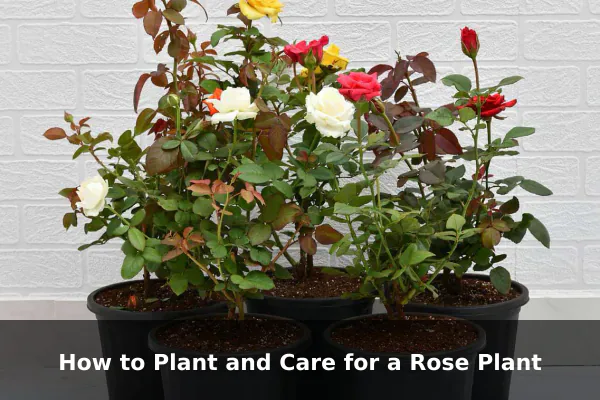
Planting Steps
- Choose a site with full sun exposure and well-draining soil.
- Dig a hole wide and deep enough to accommodate the full root system.
- Mix compost into the backfill soil to improve nutrient content.
- Position the plant with the bud union (graft knot) at or just above soil level.
- Water thoroughly after planting and add a 2–3 inch layer of mulch around the base.
Ongoing Care Tips
- Fertilize every 4–6 weeks during the growing season using a balanced rose fertilizer.
- Mulch around the base to retain soil moisture, regulate temperature, and suppress weeds.
- Prune in early spring to remove dead or weak canes and shape the overall plant structure.
- Deadhead spent blooms regularly to redirect energy toward new flowers rather than seed production.
Common Problems and How to Prevent Them
Roses are susceptible to a few recurring issues, but most are manageable with basic preventive measures:
- Black Spot: A fungal disease causing dark leaf spots and yellowing. Prevent with good airflow, dry foliage, and disease-resistant varieties.
- Powdery Mildew: A white coating on leaves that appears in humid conditions. Improve air circulation and avoid watering overhead.
- Aphids: Small sap-sucking insects that cluster on new growth. Remove by hand or treat with insecticidal soap.
- Yellow Leaves: Often caused by overwatering, poor drainage, or nutrient deficiency. Check soil moisture and maintain a regular fertilizing schedule.
Selecting disease-resistant varieties — particularly modern shrub or floribunda types — significantly reduces these challenges for new growers.
Uses of Roses in Daily Life
Roses have practical roles that extend well beyond the garden fence:
- Bouquets and gifting: Roses are the world’s most popular cut flower, used in weddings, celebrations, memorials, and everyday gifting.
- Rose water: Distilled from fresh petals, rose water is used in cooking, baking, skincare routines, and as a gentle natural fragrance.
- Essential oil: Rose essential oil (also called attar of roses) is one of the most valued ingredients in high-end perfumery and aromatherapy.
- Herbal tea: Dried petals and rose hips make a pleasant, antioxidant-rich herbal tea enjoyed widely for both flavor and wellness.
- Skincare: Rose extract is a common ingredient in moisturizers, facial toners, and serums due to its soothing and anti-inflammatory properties.
Is a Rose Plant Right for Your Garden?
Rose plants reward gardeners who are willing to invest a little regular attention. If you have a spot with at least 6 hours of daily sun, reasonable soil, and enough space for airflow, roses can thrive with moderate ongoing care. Beginners are best served by starting with shrub or floribunda varieties, which are more forgiving and resistant to disease than hybrid teas.
For gardeners with limited outdoor space, miniature roses in containers offer an approachable entry point. Whichever variety you choose, the combination of visual beauty, natural fragrance, and wide practical use makes the rose one of the most rewarding plants you can grow — in any size garden.
Rose plants have captivated gardeners and nature lovers for centuries, and for good reason. With the right conditions and consistent basic care, they deliver stunning seasonal blooms, rich fragrance, and benefits that reach from your garden into your daily life. Whether you plant a climbing rose to cover a fence or a compact shrub rose in a container, adding a rose plant to your space is a decision that pays off every growing season.
