
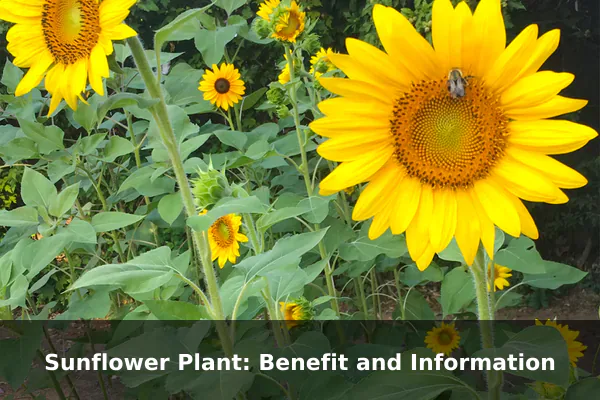
The sunflower plant is one of the most recognizable and beloved flowering plants in the world. With its tall stem, broad leaves, and large golden flower head, it brings instant brightness to any garden or landscape. Whether grown on a farm for its seeds or planted in a backyard for decoration, the sunflower holds a special place in the hearts of gardeners everywhere.
Beyond its visual appeal, the sunflower offers a wide range of practical benefits — from supporting pollinators like bees and butterflies to producing edible seeds rich in nutrients. This guide covers everything you need to know about sunflower plants: what they are, their main benefits, ideal growing conditions, and simple care tips for beginners.
What Is a Sunflower Plant?
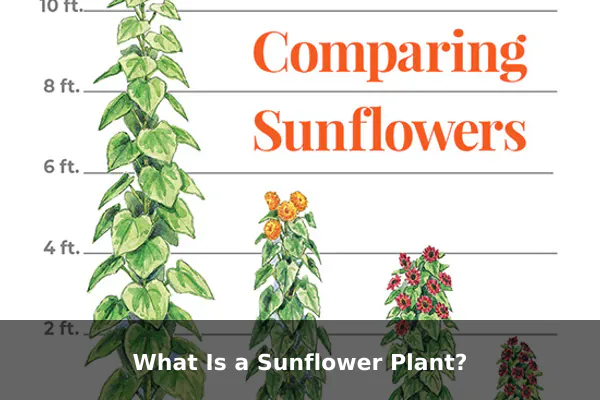
The sunflower (Helianthus annuus) is a fast-growing flowering plant native to North America. It belongs to the Asteraceae family, which also includes daisies and chrysanthemums. The plant is best known for its large, daisy-like flower heads — typically bright yellow — that can reach up to 30 centimeters or more in diameter.
Sunflowers are annual plants, meaning they complete their entire life cycle — from seed germination to seed production — within a single growing season. They are widely cultivated around the world for ornamental purposes, as well as for food and oil production.
Main Characteristics of Sunflowers
Understanding the basic characteristics of sunflowers helps gardeners grow them more successfully and appreciate what makes them unique among garden plants.
Size and Structure
- Height: Most common varieties grow between 1.5 to 3 meters tall, though dwarf varieties can stay as short as 30 cm.
- Leaves: Broad, rough, and heart-shaped leaves grow alternately along the stem.
- Stem: Strong and slightly hairy, providing support for the heavy flower head.
Flower and Seed
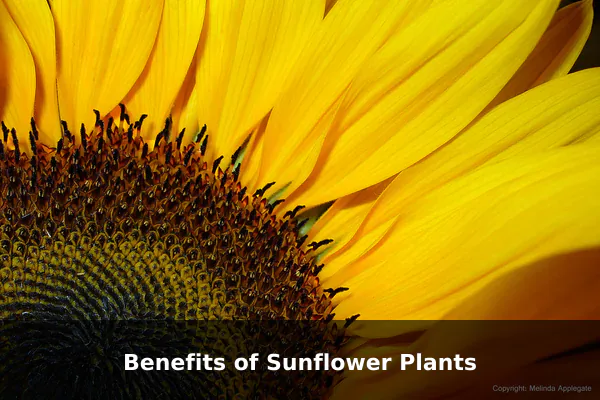
- The flower head is made up of hundreds of small florets arranged in a spiral pattern.
- The outer ray florets form the large yellow petals, while the inner disc florets produce seeds.
- Each sunflower can produce between 1,000 and 2,000 seeds depending on the variety.
Life Cycle
Sunflowers are annuals. They sprout, grow, bloom, and set seed within one season — typically 70 to 100 days from planting to harvest. This fast life cycle makes them one of the most satisfying plants to grow from seed.
Benefits of Sunflower Plants
Sunflowers are more than just beautiful garden flowers. They provide a wide range of benefits for people, wildlife, and the environment.
Ecological Benefits
- Pollinator support: Sunflowers are excellent sources of pollen and nectar for bees, butterflies, and other beneficial insects.
- Bird food: The seeds attract songbirds like finches, which feed on them throughout fall and winter.
- Soil improvement: Sunflower roots help break up compacted soil, and the plants can absorb heavy metals through a process called phytoremediation.
Food and Nutritional Benefits
- Sunflower seeds are rich in vitamin E, magnesium, selenium, and healthy unsaturated fats.
- Sunflower oil, extracted from the seeds, is widely used in cooking and food processing.
- The seeds can be eaten raw, roasted, or used in baking, salads, and snacks.
Ornamental and Psychological Benefits
The bright yellow color of sunflowers is associated with happiness and positive energy. Growing them in a garden or displaying a bouquet indoors can uplift mood and add natural warmth to living spaces.
Growing Conditions Sunflowers Need
Sunflowers are relatively easy to grow, but they thrive best when certain conditions are met.
Sunlight
As their name suggests, sunflowers love full sun. They need at least 6 to 8 hours of direct sunlight per day. A south-facing location in the garden is ideal for maximum exposure.
Soil and Watering
Sunflowers prefer well-draining, slightly acidic to neutral soil with a pH of 6.0 to 7.5. Loose, loamy soil allows roots to develop freely and prevents waterlogging. Water deeply but infrequently — about once a week. Sunflowers are somewhat drought-tolerant once established, but consistent moisture during germination and early growth is important.
Temperature and Spacing
- Best planted when soil temperature is above 10°C (50°F), after the last frost.
- Space seeds or seedlings 30 to 60 cm apart to allow good airflow and room to grow.
How to Care for a Sunflower Plant
Once planted, sunflowers require minimal care. Here are the essential steps to keep them healthy and blooming:
- Planting: Sow seeds directly in the ground about 2.5 cm deep after the last frost date.
- Watering: Water at the base of the plant to avoid wetting the leaves and flower head, which can encourage disease.
- Fertilizing: Use a low-nitrogen, high-phosphorus fertilizer to encourage flowering rather than excess leaf growth.
- Staking: Taller varieties may need stakes or ties to prevent the stem from bending or breaking in strong wind.
- Deadheading: Removing spent flowers encourages continued blooming in multi-headed varieties.
Common Problems and How to Prevent Them
Sunflowers are generally resilient, but a few problems can affect their growth and appearance.
Drooping or Leaning Stems
This is usually caused by wind damage or waterlogged roots. Plant in a sheltered spot and ensure the soil has good drainage to prevent root rot.
Pests
- Aphids: Remove with a strong blast of water or apply diluted neem oil to affected areas.
- Caterpillars and beetles: Handpick pests or use an organic insecticide as needed.
- Birds and squirrels: Cover seed heads with mesh netting if you intend to harvest seeds.
Fungal Diseases
Powdery mildew and downy mildew can affect sunflowers in humid or poorly ventilated conditions. Improve airflow by spacing plants properly, and always water at the base rather than overhead.
Interesting Facts About Sunflowers
- Heliotropism: Young sunflowers track the sun from east to west each day — a behavior known as heliotropism. Mature flowers generally face east permanently.
- Fibonacci spirals: The seeds in a sunflower head are arranged in spirals that follow the Fibonacci sequence, a fascinating example of mathematics in nature.
- Symbol of loyalty: In many cultures, sunflowers symbolize adoration, loyalty, and long life.
- Record height: The tallest sunflower on record grew over 9 meters high.
- Phytoremediation: Sunflowers were planted near Chernobyl to help extract radioactive contaminants from the soil.
Why Sunflowers Are a Good Choice for Home Gardens
Sunflowers are one of the easiest and most rewarding plants a beginner gardener can grow. They require minimal resources, develop quickly, and produce stunning results in just a few months. Their seeds provide food for wildlife and people alike, while their blooms attract pollinators that benefit the entire garden ecosystem.
Whether you have a large backyard or a small outdoor space, there is a sunflower variety to suit your needs. Compact types like Sunspot thrive in containers or small beds, while giant varieties like Mammoth create dramatic focal points in open gardens. With so many benefits and so little effort required, sunflowers are truly one of the most worthwhile plants you can add to your garden this season.
