
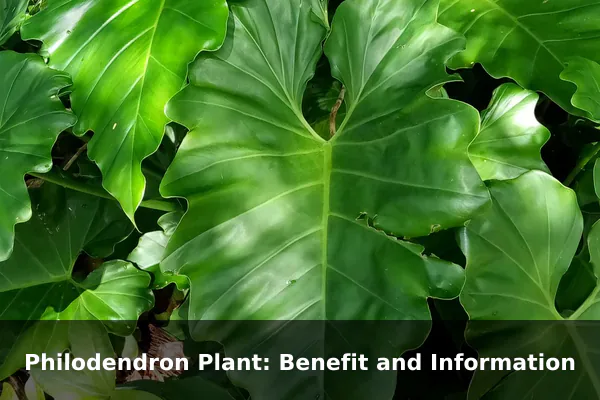
Few houseplants have captured the hearts of both beginners and seasoned plant enthusiasts quite like the philodendron. With its lush, tropical foliage and reputation for being wonderfully forgiving, the philodendron has earned a permanent spot on windowsills, bookshelves, and office desks around the world. Whether you live in a sun-drenched apartment or a room with limited natural light, this adaptable plant finds a way to thrive and bring life to any corner it occupies.
This guide is designed to give you a complete picture of the philodendron plant — from its origins and standout benefits to practical care routines and common problems. By the end, you will have everything you need to grow a healthy, beautiful philodendron at home.
What Is a Philodendron Plant?
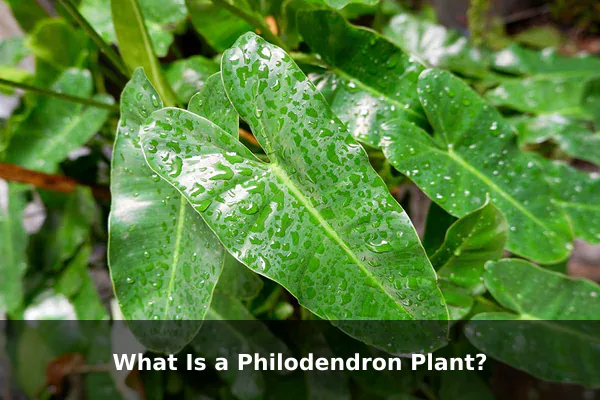
The philodendron belongs to the family Araceae and originates from the tropical rainforests of Central and South America. The name comes from Greek — philo meaning “love” and dendron meaning “tree” — a nod to its natural habit of climbing towering trees in its native habitat. Today, it is one of the most widely cultivated ornamental plants in the world.
Philodendrons come in two main growth forms: vining types, which trail or climb and work beautifully in hanging baskets or on moss poles, and self-heading types, which grow upright and spread outward with large, dramatic leaves. Regardless of variety, they share a characteristic that makes them so appealing indoors — large, glossy leaves that bring an immediate sense of tropical lushness to any space.
Main Benefits of Philodendron Plants
Ornamental and Aesthetic Value
One of the most obvious reasons people grow philodendrons is their striking visual appeal. Their bold, sculptural leaves — whether heart-shaped, deeply lobed, or split — add an architectural quality to interior spaces that few other houseplants can match. Placed in a well-lit corner or allowed to trail from a high shelf, a philodendron instantly elevates the feel of a room.
Low-Maintenance Lifestyle Fit
Philodendrons are widely recommended for people who want living greenery without the demanding upkeep. They tolerate irregular watering, adapt to a range of light conditions, and rarely make dramatic demands on their owners. This resilience makes them a practical choice for busy households, first-time plant parents, and anyone who wants to add nature to their home without stress.
Mood and Well-Being Support
Studies consistently show that living with indoor plants improves mood, reduces stress, and increases feelings of calm and focus. Philodendrons, with their dense foliage and rich green color, contribute to this effect. Their presence in a workspace or living room creates a subtle but meaningful sense of connection to nature — a quality that becomes especially valuable in urban settings.
Popular Types of Philodendron to Know
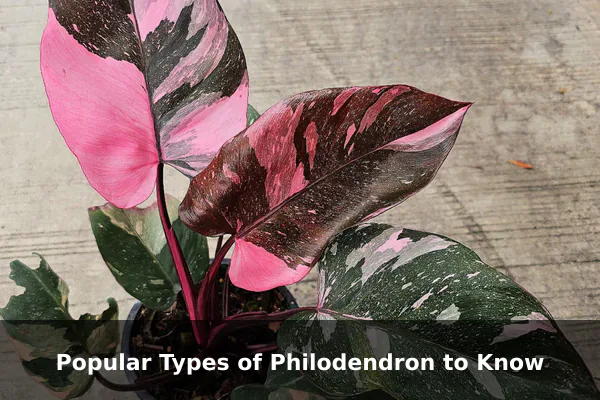
The genus Philodendron contains hundreds of species and cultivars. Here are three of the most popular for home growing:
- Heartleaf Philodendron (Philodendron hederaceum): The most common variety, known for its velvety, heart-shaped leaves and fast-trailing growth. Ideal for beginners due to its exceptional tolerance for low light and irregular watering.
- Selloum / Tree Philodendron (Philodendron bipinnatifidum): A self-heading type that produces enormous, deeply lobed leaves. It grows into an impressive floor plant and works well in spacious living rooms or entryways.
- Pink Princess Philodendron: A collector’s favorite, distinguished by its dark green leaves splashed with vivid pink variegation. It grows more slowly than other types and benefits from bright, indirect light to maintain its striking coloring.
Ideal Growing Conditions for Healthy Leaves
Understanding what a philodendron needs environmentally is the first step toward growing one successfully:
- Light: Bright, indirect light produces the best growth and most vibrant leaves. Most varieties tolerate lower light, though growth will slow. Avoid direct afternoon sun, which can scorch the foliage.
- Temperature: Philodendrons prefer temperatures between 16°C and 29°C (60°F–85°F). They are not frost-tolerant and should be kept away from cold drafts and air-conditioning vents.
- Humidity: As tropical plants, philodendrons appreciate humidity above 50%. Misting, grouping plants together, or placing a small humidifier nearby helps in dry climates or heated rooms.
- Soil: A well-draining, aerated potting mix works best. Mixing standard potting soil with perlite or orchid bark prevents waterlogging and supports healthy roots.
How to Care for a Philodendron Plant
Watering
Water when the top 2–3 centimeters of soil feel dry to the touch. In most indoor conditions this means watering every one to two weeks, depending on pot size and season. Always use room-temperature water and ensure the pot has drainage holes to prevent water from sitting around the roots.
Feeding and Repotting
Feed with a balanced liquid fertilizer once a month during spring and summer. Reduce or stop feeding in autumn and winter when growth naturally slows. Repot every one to two years when roots begin to circle the bottom of the pot or emerge from drainage holes, moving up one pot size at a time.
Pruning and Cleaning
Remove yellowed or damaged leaves with clean scissors to keep the plant tidy and to direct energy toward healthy growth. Wipe large leaves with a damp cloth every few weeks to remove dust, which helps the plant absorb light more efficiently and keeps it looking its best.
Common Problems and How to Fix Them
- Yellow leaves: Usually caused by overwatering. Allow the soil to dry out more between waterings and confirm that the pot drains freely.
- Drooping leaves: Often a sign of underwatering or very low humidity. Water thoroughly and increase moisture around the plant.
- Root rot: Caused by consistently wet soil. Remove the plant from its pot, trim any black or mushy roots, and repot in fresh, well-draining mix.
- Pests: Spider mites, mealybugs, and fungus gnats are the most common issues. Treat with insecticidal soap spray or neem oil, and allow the soil to dry between waterings to deter gnats.
- Slow or leggy growth: A sign of insufficient light. Move the plant closer to a bright window or supplement with a grow light.
Is Philodendron Safe for Homes With Pets and Children?
It is important to know that philodendrons contain calcium oxalate crystals, which are toxic if ingested by humans or animals. Symptoms of ingestion include mouth irritation, swelling, and digestive discomfort. This does not mean you cannot keep a philodendron in a home with pets or small children, but placement matters. Keep plants on high shelves, in hanging planters, or in rooms that pets and young children do not access unsupervised. Always wash your hands after pruning or handling the plant to avoid skin irritation.
Why Philodendron Remains a Favorite Houseplant
The philodendron has been a staple of indoor gardening for decades, and its popularity shows no sign of fading. Its combination of visual drama, resilience, and ease of care makes it an ideal plant for almost any situation — a small apartment, a bright office, or a spacious family home. With just a little attention to light and watering, a philodendron will reward you with rapid, lush growth and years of reliable beauty.
Whether you are just starting your plant journey or adding to an established collection, the philodendron is a plant worth welcoming into your space. Choose a variety that suits your light conditions, give it room to grow, and enjoy the effortless tropical atmosphere it brings every single day.
