
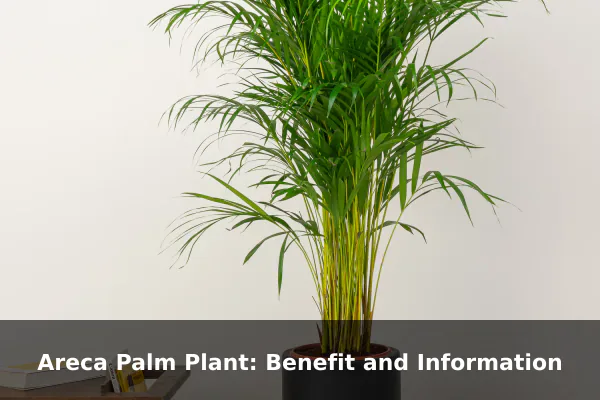
The areca palm (Dypsis lutescens) is one of the most beloved tropical plants used for indoor decoration worldwide. With its graceful, feathery fronds and dense bushy growth, it transforms any corner of a home or office into a vibrant green retreat. Few plants deliver such a striking tropical effect with relatively modest effort.
Whether you are furnishing a bright living room, a home workspace, or a commercial lobby, the areca palm offers beauty, character, and practical benefits that go beyond aesthetics. This guide covers everything you need to know — from its core characteristics and benefits to the care steps that keep it thriving year-round.
What Is the Areca Palm Plant?
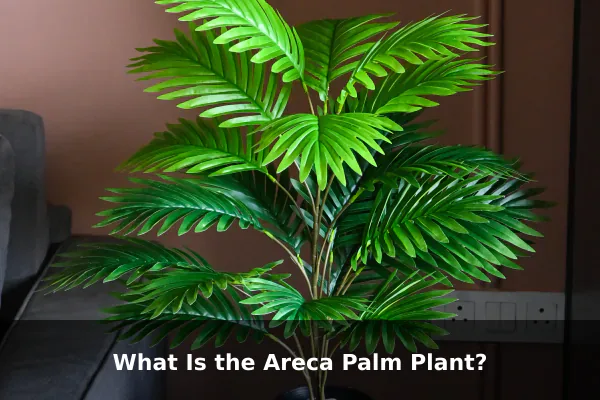
The areca palm is a flowering palm native to Madagascar. It is also commonly called the butterfly palm or golden cane palm, names that reflect its arching leaf stems and the golden-yellow hue its canes develop in full sunlight. Botanically classified under Dypsis lutescens, it belongs to the family Arecaceae.
In its native tropical habitat the plant can reach heights of six to twelve meters. Grown indoors in containers, it typically stays between one and two meters tall, making it manageable for most interior spaces. Its wide global popularity stems from its adaptability — it grows comfortably in warm climates both indoors and outdoors across subtropical and tropical regions.
Key Characteristics of Areca Palm
Recognizing a healthy areca palm is straightforward once you know what to look for. The plant has a distinctive appearance that sets it apart from other palms commonly sold as houseplants.
- Fronds: Long, arching, feather-like leaves with dozens of narrow leaflets arranged along each stem.
- Canes: Multiple bamboo-like stems grow from the base, giving it a full, clustered look rather than a single trunk.
- Color: Rich green leaves contrast with yellow-green or golden canes, especially visible near the base when the plant gets adequate light.
- Height indoors: Typically 1–2 meters when pot-grown, with slow to moderate growth of roughly 15–25 cm per year under good conditions.
- Sign of health: Upright, vivid green fronds with no browning at the tips indicate proper hydration and light.
Benefits of Keeping an Areca Palm at Home
The areca palm is more than a decorative accent. It delivers a range of real benefits that make it a worthwhile addition to any indoor environment.
Visual and Aesthetic Appeal
The plant’s lush, layered fronds create instant visual depth in a room. Its tropical silhouette softens hard architectural lines, adds texture to minimalist interiors, and introduces a calming natural element that reduces the sterile feel of modern spaces.
Natural Humidifier
Areca palms are known to release moisture into the air through a process called transpiration. Placing one or more plants in dry indoor environments — particularly during winter when heating systems reduce humidity — can help maintain a more comfortable moisture level in the room.
Beginner-Friendly Reputation
Compared to many tropical ornamentals, the areca palm tolerates minor care mistakes, brief periods of neglect, and a range of indoor light conditions. This forgiveness makes it suitable for people who are new to keeping houseplants but still want a visually impressive specimen.
Pet-Safe Choice
Unlike several popular indoor palms and ornamental plants, the areca palm is widely regarded as non-toxic to cats and dogs, making it a practical option for households with pets.
Ideal Growing Conditions for Areca Palm
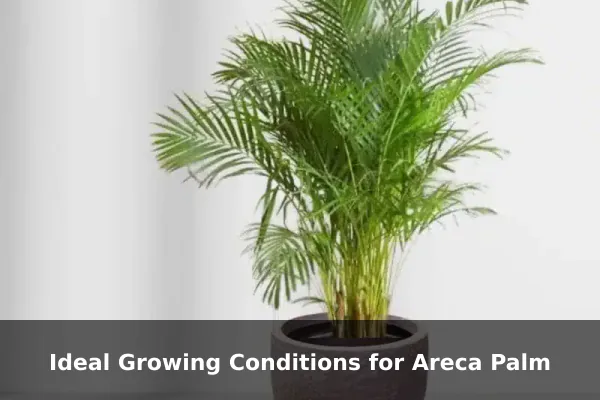
Matching the areca palm’s preferred environment is the most reliable way to keep it healthy and lush indoors.
Light
The areca palm thrives in bright, indirect light. A spot near a large east- or west-facing window is ideal. Direct midday sun can scorch the delicate leaflets, while very low light slows growth significantly and causes the plant to become sparse. If natural light is limited, a high-quality grow light positioned above the plant for 10–12 hours daily works as a supplement.
Temperature and Humidity
This plant prefers temperatures between 18°C and 29°C (65°F–85°F). It does not tolerate frost or prolonged cold drafts. Average to high indoor humidity suits it well; in very dry homes, misting the fronds occasionally or using a pebble tray with water beneath the pot helps maintain moisture around the foliage.
Soil and Potting
Use a well-draining, slightly acidic potting mix. A combination of standard potting soil with added perlite or coarse sand improves drainage and prevents waterlogging. Choose a pot with drainage holes — standing water at the roots is a leading cause of decline in areca palms.
How to Care for an Areca Palm
Caring for an areca palm follows a simple routine that becomes second nature after the first few weeks.
- Watering: Water thoroughly when the top 2–3 cm of soil feels dry. Reduce frequency in winter. Always allow excess water to drain from the pot.
- Feeding: Apply a balanced liquid fertilizer diluted to half strength once a month during the growing season (spring and summer). Avoid fertilizing in autumn and winter.
- Cleaning leaves: Wipe fronds with a damp cloth every few weeks to remove dust, which can block light absorption and attract pests.
- Pruning: Remove entirely brown or yellow fronds by cutting at the base of the cane. Do not cut green fronds mid-stem, as this triggers browning at the cut point.
- Repotting: Repot every two to three years or when roots begin circling the base of the pot. Move up one pot size at a time to avoid excess soil that stays wet.
Common Problems and How to Fix Them
Even with good care, the areca palm occasionally shows signs of stress. Knowing what to look for makes problems easy to correct before they become serious.
Brown Leaf Tips
The most frequent complaint. Causes include low humidity, fluoride in tap water, or inconsistent watering. Switching to filtered or rainwater and increasing ambient humidity usually resolves this within a few weeks.
Yellow Fronds
Overall yellowing often points to overwatering or poor drainage. Check that the pot is not sitting in water and that the soil dries slightly between waterings. Nutrient deficiency — particularly magnesium or iron — can also cause yellowing; a balanced palm-specific fertilizer addresses this.
Pests
Spider mites, mealybugs, and scale insects occasionally target areca palms, especially in dry conditions. Inspect the undersides of fronds regularly. Treat early infestations by wiping affected areas with a damp cloth or applying a diluted neem oil solution.
Slow or Stunted Growth
Usually linked to insufficient light, pot-bound roots, or lack of fertilization during the growing season. Move the plant closer to a light source, check if repotting is needed, and resume a regular feeding schedule.
Is Areca Palm a Good Plant for Beginners?
Yes — with one important caveat. The areca palm rewards consistent basic care but is more sensitive to overwatering than many other popular houseplants. As long as watering is approached with restraint and good drainage is in place, beginners find it straightforward to maintain.
Its size is also worth considering before purchasing. A mature specimen takes up meaningful floor space, which is an advantage in large rooms but can feel overwhelming in compact apartments. For smaller spaces, a younger plant in a mid-sized pot is a practical starting point that can grow with the space over time.
Final Thoughts on Areca Palm Plant Benefit and Information
The areca palm earns its reputation as one of the most popular indoor ornamental plants for good reason. It combines genuine visual impact with practical benefits — adding humidity, creating a calming tropical atmosphere, and fitting naturally into a wide range of interior styles. Its care needs are manageable once the fundamentals of light and watering are understood.
Whether you are adding your first houseplant or expanding an existing indoor garden, the areca palm is a reliable and rewarding choice that brings lasting value to any living space.
