
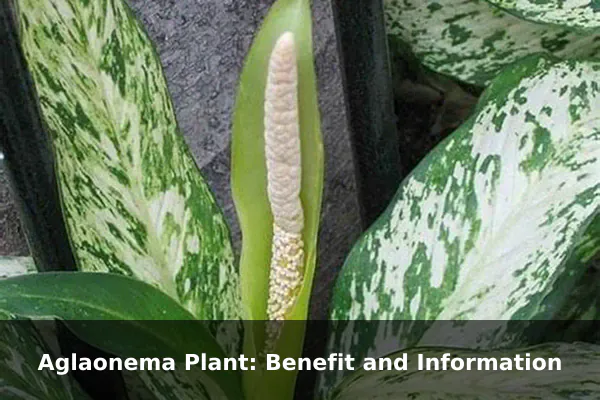
The Aglaonema plant, widely known as Chinese Evergreen, is one of the most beloved tropical foliage houseplants in the world. With its striking patterned leaves that range from deep green to vivid red, pink, and silver, it adds a dramatic splash of color to any indoor space. Whether you keep it on a desk, in a living room corner, or on an office shelf, Aglaonema instantly elevates the look of a room with minimal effort.
Beyond its visual appeal, Aglaonema earns a top spot among indoor plant enthusiasts because it is genuinely easy to maintain. It tolerates a wide range of light conditions, adapts to different humidity levels, and forgives the occasional missed watering. This article covers everything you need to know: what makes Aglaonema special, its key benefits, popular varieties, basic care steps, and important safety considerations.
What Is an Aglaonema Plant?
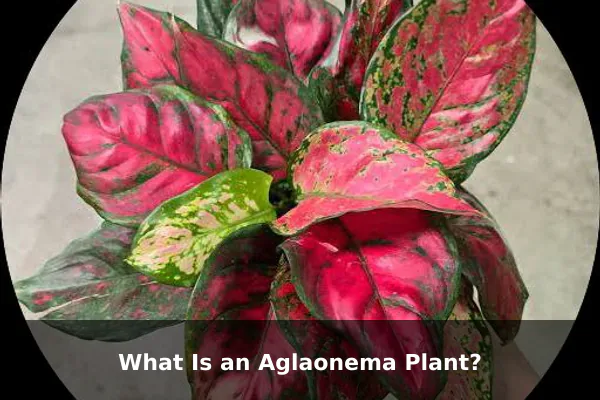
Aglaonema is a genus of tropical flowering plants in the family Araceae, native to the humid tropical and subtropical forests of Asia — particularly Southeast Asia and southern China. The name comes from Greek, meaning bright thread, a fitting reference to the plant’s vivid, intricately patterned leaves. It is commonly called Chinese Evergreen and has been cultivated as an ornamental plant for centuries before becoming a global favorite for indoor growing.
- Family: Araceae
- Origin: Tropical Asia, Southeast Asia, and southern China
- Common name: Chinese Evergreen
- Typical height indoors: 30–90 cm
- Lifespan: Several years with proper care
Main Benefits of Aglaonema
Aglaonema is more than just a pretty plant. Here are the key reasons why so many people choose it for their homes and workplaces.
Decorative Value
Few houseplants match Aglaonema’s decorative impact. Its large, glossy leaves come in an extraordinary range of color combinations — dark green with silver streaks, bright red with green edges, or creamy white with green variegation. This color diversity allows you to match the plant to virtually any interior design style, from minimalist to maximalist.
Improved Indoor Atmosphere
Like many tropical foliage plants, Aglaonema contributes to a fresher-feeling environment by absorbing carbon dioxide and releasing oxygen during photosynthesis. While it should not replace proper ventilation, having live plants in a room supports a healthier, more pleasant atmosphere day to day.
Stress Reduction and Well-Being
Research in environmental psychology consistently shows that living plants in indoor spaces help reduce stress and improve mood. Aglaonema’s lush foliage creates a calming visual presence that makes offices and living spaces feel more comfortable and serene.
Low Maintenance Appeal
One of its biggest practical benefits is how little attention it requires. Aglaonema can survive in low-light conditions, does not demand frequent watering, and grows steadily without constant intervention — ideal for busy households and offices alike.
Key Characteristics and Popular Varieties
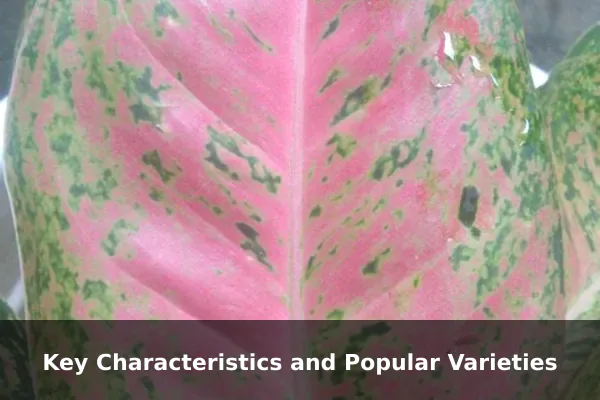
Aglaonema stands out thanks to its remarkable variety of cultivars. Breeders have developed dozens of named varieties, each with distinct leaf color patterns. Here are some of the most widely recognized ones:
- Aglaonema ‘Silver Bay’: Classic silver-green patterned leaves, very popular in office environments.
- Aglaonema ‘Red Siam’: Bold red and green leaves with pink edges, a real eye-catcher.
- Aglaonema ‘Maria’: Deep green leaves with pale green markings, excellent in low light.
- Aglaonema ‘Pink Dalmatian’: Green leaves splashed with pink spots, a conversation-starting centerpiece.
- Aglaonema ‘Emerald Beauty’: Rich dark green with silver variegation, a timeless classic.
Most varieties grow in a compact, bushy shape with leaves emerging from a central stem. Indoor plants typically reach 30 to 90 cm in height, making them suitable for tabletops, shelves, or floor placement depending on the cultivar.
Ideal Growing Conditions
Understanding where Aglaonema thrives helps you set it up for success from day one.
Light Requirements
Aglaonema is one of the best plants for low to medium indirect light. Darker green varieties can handle low-light corners, while colorful red and pink cultivars benefit from brighter indirect light to maintain their vivid coloration. Avoid direct sunlight, which can scorch and bleach the leaves.
Temperature and Humidity
Aglaonema prefers temperatures between 18°C and 27°C (65°F–80°F). It dislikes cold drafts and temperatures below 13°C (55°F), so keep it away from air conditioning vents and cold windows. It adapts well to average household humidity but benefits from slightly higher moisture levels, achievable by misting or placing a pebble tray filled with water beneath the pot.
Soil and Potting
Use a well-draining potting mix — a standard tropical plant blend or regular potting soil combined with perlite works well. Choose a pot with drainage holes and avoid oversized containers, which can retain excess moisture and lead to root rot.
How to Care for Aglaonema at Home
Aglaonema care follows a straightforward routine that even complete beginners can manage with confidence.
Watering
Water when the top 3–5 cm of soil feels dry to the touch. Reduce frequency in winter when the plant’s growth naturally slows. Always use room-temperature water and avoid letting the plant sit in standing water in its saucer, as this encourages root rot.
Fertilizing
Feed with a balanced liquid fertilizer once a month during the active growing season — spring through summer. Do not fertilize in autumn and winter. Overfertilizing can cause leaf tip burn and salt build-up in the soil over time.
Pruning and Repotting
Remove yellow or damaged leaves at the base to keep the plant tidy and encourage healthy new growth. Repot every 2–3 years, or when roots begin to grow out of the drainage holes. Always choose a new pot only one size larger than the current container to avoid waterlogging.
Common Problems and How to Fix Them
Even resilient plants like Aglaonema can show signs of stress. Here is how to identify and resolve the most common issues:
- Yellow leaves: Usually caused by overwatering or poor drainage. Allow the soil to dry more between waterings and verify that the pot drains freely.
- Brown leaf tips: Often due to low humidity, fluoride in tap water, or over-fertilization. Try filtered water and gently increase ambient humidity.
- Root rot: Result of waterlogged soil. Remove the plant, trim any rotten roots, and repot in fresh, well-draining mix.
- Pests — mealybugs or spider mites: Wipe leaves with a damp cloth and apply neem oil spray. Keep the plant clean and well-ventilated to prevent re-infestation.
- Leggy, stretched growth: Caused by insufficient light. Move the plant to a brighter location with good indirect light.
Is Aglaonema Safe for Pets and Children?
Aglaonema is toxic if ingested. Like other members of the Araceae family, it contains calcium oxalate crystals that can cause irritation, swelling of the mouth and throat, vomiting, and difficulty swallowing if eaten by pets or small children.
To keep your household safe:
- Place the plant on a high shelf or in a room that pets and young children cannot easily access.
- Wash hands after handling the plant, especially before eating.
- Seek veterinary or medical attention immediately if ingestion is suspected.
With thoughtful placement, Aglaonema can be safely and beautifully enjoyed even in households with pets and young children.
Why Aglaonema Is a Good Choice for Beginners
Aglaonema consistently ranks among the top recommended houseplants for beginners. It combines stunning visual appeal with extraordinary adaptability — tolerating low light, inconsistent watering, and average indoor humidity without complaint. Its growth is steady but not invasive, and it requires minimal pruning or repotting compared to many popular houseplants.
For someone just starting their indoor plant journey, Aglaonema offers a genuinely rewarding experience. It responds visibly to good care by producing bold, brightly colored new leaves, and it bounces back quickly from minor neglect. Whether you are brightening up a home, furnishing an office, or simply exploring indoor gardening for the first time, Aglaonema is a worthwhile, satisfying, and long-lasting choice that continues to impress year after year.
