
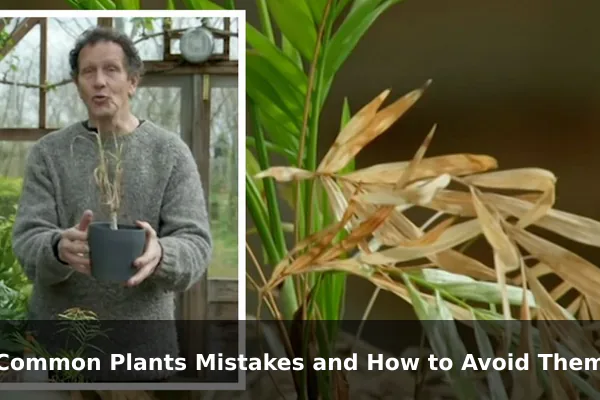
Most people who struggle with plants are not doing anything dramatically wrong. The real culprit is almost always a small, repeated habit — watering on a fixed schedule regardless of soil moisture, placing a shade-loving plant in direct sun, or choosing a pot that holds too much water. These everyday mistakes are easy to miss because plants do not show distress immediately. By the time yellowing leaves or drooping stems appear, the damage has often been building for weeks.
The encouraging news is that nearly every common plant problem has a clear cause and a straightforward fix. Understanding what plants actually need — rather than what feels intuitive — is the fastest way to stop losing plants and start growing confident ones. This guide covers the most frequent plant care mistakes and the simple changes that prevent them.
Why Healthy Plants Often Struggle Indoors
Indoor growing environments are very different from the places where most houseplants naturally evolved. Tropical species like pothos or peace lily come from humid forests with filtered light and well-draining soil. Inside a home, they face dry air from heating or air conditioning, inconsistent watering, and light that may be too weak or too direct. Without understanding this mismatch, even well-meaning care can work against the plant.
Beginners often apply habits borrowed from outdoor gardening — watering on a fixed schedule, planting in heavy garden soil, or placing pots in a sunny window without checking the plant’s light tolerance. Adjusting these habits to fit indoor conditions makes a bigger difference than buying any fertilizer or supplement.
Overwatering: The Most Common Plant-Killing Habit
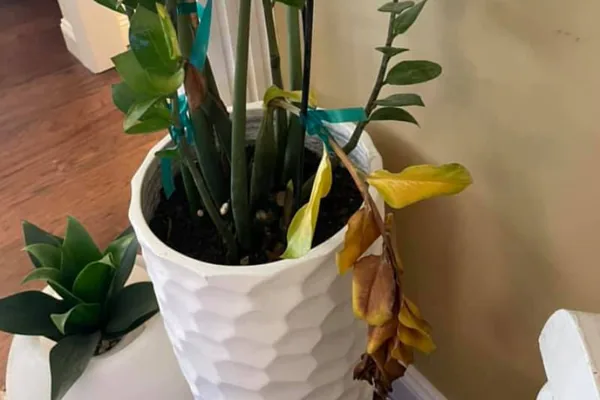
Overwatering kills more houseplants than any other single cause. The mistake is not giving too much water at once — it is watering again before the soil has had time to dry out appropriately. When roots sit in waterlogged soil for too long, they are cut off from oxygen, begin to rot, and can no longer deliver nutrients to the rest of the plant. The result is yellow or brown leaves, soft stems, and a plant that looks increasingly stressed despite appearing well-watered.
How to Tell If Your Plant Needs Water
- Push your finger about 2–3 cm into the soil. If it feels damp, wait.
- Lift the pot — a lighter pot usually means the soil is drier.
- Check the leaves: firm, plump leaves on succulents and cacti mean they still hold water reserves.
- Yellow leaves combined with wet soil almost always signal overwatering, not underwatering.
How to Fix and Prevent Root Rot
Remove the plant from its pot, trim any black or mushy roots with clean scissors, and allow the roots to air out for a few hours. Repot in fresh, well-draining mix. Going forward, water only when the top centimeter or two of soil feels dry, and always empty saucers 30 minutes after watering so roots never sit in standing water.
Giving Too Little or Too Much Light
Light is one of the most misunderstood plant needs. Many beginners assume a bright room is enough for any plant, or that a low-light plant can survive in a windowless corner. Both assumptions cause problems. Matching a plant to its actual light requirements is more effective than trying to force adaptation.
Signs Your Plant Has a Light Problem
- Too little light: slow or no growth, pale or yellowish leaves, leggy stems reaching toward a window
- Too much direct sun: scorched or bleached patches on leaves, dry and crispy leaf edges, very rapid soil drying
A sheer curtain can filter harsh direct sun into safe indirect light for most tropical houseplants. Before placing a new plant, check whether it prefers bright indirect light, medium indirect, or low light — then find the room position that best matches that need.
Using the Wrong Pot or Soil Mix
Drainage is the most overlooked aspect of potting. A decorative pot with no drainage hole traps water at the bottom, setting up conditions for root rot even when watering is careful. Always choose pots with at least one drainage hole. Pot size also matters: a pot much larger than the root ball keeps too much wet soil around the roots. When repotting, go up by only one size — roughly 2–5 cm wider in diameter.
Soil mix affects water retention and air flow at the root level. Using the right mix for the plant type prevents both overwatering and drying out too fast:
- Succulents and cacti: cactus mix, or standard potting soil with added coarse sand or perlite
- Tropical foliage plants: standard potting mix with added perlite for drainage
- Orchids: bark-based mix — never standard potting soil
Ignoring Humidity, Airflow, and Temperature Stress
Many popular houseplants — calatheas, ferns, and peace lilies especially — struggle in dry indoor air. Brown leaf tips, curling leaves, and slow growth are the common signs. Running a humidifier nearby, grouping plants together, or setting the pot on a tray of pebbles and water can raise local humidity without waterlogging roots.
Stagnant air encourages fungal problems and pest pressure, so some gentle airflow helps. However, keep plants away from heating vents and air conditioning units, which dry the air rapidly and cause leaf drop. Sudden temperature changes — such as cold drafts from a window in winter — can trigger wilting or leaf drop even when every other care condition is correct.
Feeding Plants Incorrectly
Fertilizer is often treated as a fix-all, but applying it at the wrong time or in excess causes more harm than help. Roots in already-stressed or dry soil can be burned by concentrated fertilizer. During winter, when most houseplants are growing slowly or dormant, fertilizer should be reduced or stopped completely.
The most common feeding mistakes include:
- Fertilizing a stressed, dry, or recently repotted plant
- Applying fertilizer at full concentration when half-strength is safer
- Using a formula not suited to the plant type (high nitrogen for flowering plants promotes leaves over blooms)
- Forgetting to feed during active spring and summer growth
A balanced liquid fertilizer at half strength, applied monthly during the growing season, is enough for most houseplants.
Missing Early Signs of Pests and Disease
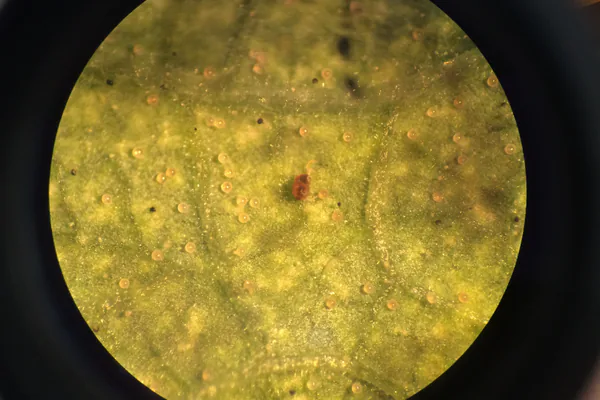
Pests caught early are easy to manage. Left undetected, a small spider mite or mealybug population can spread to nearby plants within weeks. Make it a habit to turn leaves over and inspect stems during every watering session. Common warning signs include:
- Fine webbing on leaves or stems — spider mites
- White cottony clusters in leaf joints — mealybugs
- Sticky residue on leaves or soil — scale insects or aphids
- Yellow stippled patches on leaves — thrips or mites
At the first sign of pests, isolate the affected plant immediately. Wipe leaves with a damp cloth or a diluted neem oil solution, and treat consistently for two to three weeks to break the pest life cycle.
A Simple Plant Care Routine That Prevents Most Problems
A weekly check-in habit replaces guesswork with observation. Instead of watering on a fixed schedule, use a quick five-point check each time you visit your plants:
- Soil moisture — touch the soil to decide whether watering is actually needed
- Light check — confirm the plant is not in harsh direct sun or too far from its light source
- Leaf condition — look for yellowing, browning tips, or drooping
- Pest scan — briefly check leaf undersides and stems
- Temperature and airflow — confirm no cold drafts, heating vents, or direct air conditioning are affecting the plant
This check takes less than a minute per plant and catches problems early, before they become serious. Paired with the right potting setup and a basic seasonal feeding schedule, it covers the majority of plant care mistakes in a single routine.
Most plant problems are correctable, and most mistakes are preventable with a small shift in observation. Overwatering, poor light placement, and wrong soil choices account for the large majority of struggling houseplants. Learning to read what a plant is telling you — through its leaves, soil texture, and growth rate — is far more valuable than any product or tool. Once these habits become second nature, keeping plants healthy stops feeling like a challenge and starts feeling like a genuinely satisfying routine.
