
Many beginners start their plant journey with real enthusiasm, only to find their plants wilting, yellowing, or dying within weeks. The frustrating part is that most of these early failures have nothing to do with effort and everything to do with missing a few key facts about how plants actually work.
Plants do not need constant attention or complicated care routines. What they need is the right balance of light, water, soil, and temperature. Once you understand these fundamentals, keeping plants alive becomes far less mysterious. This guide covers the most important plant facts every beginner should know before bringing a new plant home.
Plants Need Light More Than Most Beginners Realize
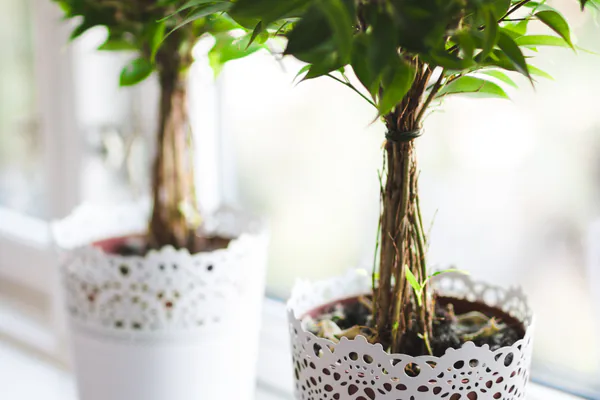
Light is the primary engine of plant growth. Through photosynthesis, plants convert sunlight into energy they use to produce new leaves, roots, and flowers. Without enough light, this process slows or stops entirely, and the plant gradually weakens no matter how well you water or fertilize it.
Low Light Does Not Mean No Light
Many plants are marketed as low-light tolerant, which means they can survive with less light than sun-loving species. However, no plant can thrive in complete darkness. A room with a single north-facing window may feel dim to you but still provides enough indirect light for pothos, snake plants, or ZZ plants. The key is placement.
- Bright indirect light: Near a window but shielded from direct sun beams — ideal for most tropical houseplants.
- Direct sunlight: Several hours of full sun exposure — required by cacti, succulents, and many herbs.
- Low light: A few feet from a window or in a room with limited natural light — suitable only for the most tolerant species.
Before buying a plant, check your window orientation. South-facing windows offer the most light in the Northern Hemisphere, while north-facing windows provide the least. Moving a plant just a few feet closer to a light source can make a measurable difference in its health and growth rate.
Overwatering Is Usually a Bigger Problem Than Underwatering
The most common mistake beginners make is watering on a fixed schedule regardless of what the plant actually needs. More houseplants die from too much water than too little. When soil stays wet for too long, roots are deprived of oxygen and begin to rot, leaving the plant unable to absorb water or nutrients even though water is present.
How to Check Before You Water
Instead of watering every few days automatically, learn to read the soil. Push your index finger about an inch into the potting mix. If it feels moist, wait. If it feels dry, water thoroughly until it drains from the bottom of the pot.
- Let most tropical plants dry out slightly between waterings.
- Succulents and cacti prefer to dry out almost completely before the next watering session.
- Water-loving plants like ferns prefer consistently moist but never soggy soil.
Always use pots with drainage holes. Without them, excess water pools at the base and roots sit in standing water, which accelerates rot regardless of how carefully you water.
Not All Plants Want the Same Soil and Pot
Soil is not just dirt. The texture, composition, and drainage properties of your potting mix directly affect how quickly water moves through and how much air reaches the roots. Using the wrong soil can cause problems even if your watering habits are otherwise correct.
Matching Soil to Plant Type
- General potting mix: Works well for most tropical foliage plants including pothos, philodendrons, and peace lilies.
- Cactus and succulent mix: Fast-draining and gritty — prevents water retention that would rot desert plants.
- Orchid bark or chunky aroid mix: Highly aerated — essential for epiphytic plants that need air around their roots.
Pot size also matters more than beginners expect. A pot that is too large holds excess moisture around the roots, increasing rot risk significantly. When repotting, choose a container only one to two inches larger in diameter than the current one. Terracotta pots dry out faster than plastic, making them a safer choice for beginners who tend to overwater.
Temperature and Humidity Change How Plants Behave
Most popular houseplants originate from tropical or subtropical climates where temperatures are warm and humidity is relatively high. When you bring them indoors, they must adjust to conditions that may be significantly drier and more variable than their natural environment.
Common Indoor Climate Problems
- Air conditioning and heating vents: Blowing directly onto plants dries leaves quickly and creates temperature fluctuations that stress tropical species.
- Cold drafts near windows: Can shock plants that prefer consistent warmth above 60°F (15°C), especially in winter.
- Low indoor humidity: Causes brown leaf tips and edges, particularly on humidity-loving plants like calatheas and ferns.
Increasing humidity does not have to be complicated. Grouping plants together, placing a tray of water with pebbles nearby, or using a small humidifier are all effective approaches. Misting helps temporarily but is not a reliable long-term solution for most plants.
Leaves Give Clear Signals When Something Is Wrong
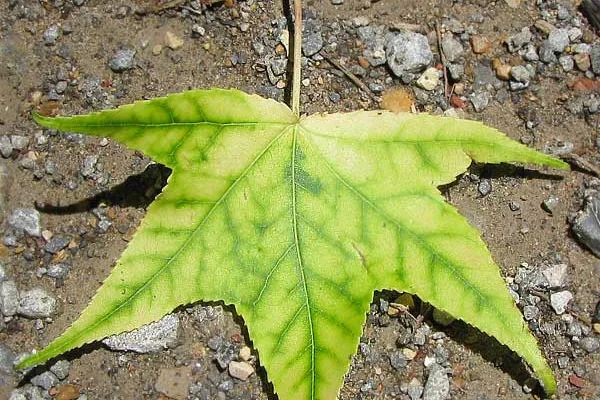
Plants communicate stress through visible changes in their leaves. Learning to recognize these signals early gives you the opportunity to correct a problem before it becomes fatal. Most leaf problems point directly to a specific care issue.
Common Leaf Warning Signs and Their Causes
- Yellow leaves: Often caused by overwatering, insufficient light, or nutrient deficiency. Check the soil moisture and light level first.
- Brown tips or edges: Typically indicate low humidity, underwatering, or salt buildup from tap water over time.
- Drooping or wilting: Can signal both underwatering and overwatering — check the soil to determine which is responsible.
- Pale or washed-out color: Usually a sign the plant is receiving too much direct sunlight, which bleaches leaf pigment.
- Slow or stopped new growth: May reflect insufficient light, pot-bound roots, or the plant entering dormancy.
Do not panic when you notice one or two yellow leaves. Occasional leaf drop is normal, especially when a plant adjusts to a new environment. Look for patterns — if yellowing is spreading or multiple leaves are affected simultaneously, investigate based on your recent care habits.
Growth Takes Time and Seasonal Changes Are Normal
One of the most important expectations to set as a beginner is that plants grow slowly compared to what social media might suggest. A plant that produces one or two new leaves per month is actually growing well. Pushing plants with excessive fertilizer to speed up growth often causes more harm than benefit, particularly in low-light indoor conditions.
Most plants also experience natural dormancy periods, typically in late autumn and winter when daylight hours shorten. During dormancy, plants use less energy, produce fewer new leaves, and require less water and fertilizer. Reducing care during this period is not neglect — it is appropriate seasonal adjustment. Resume regular feeding and more frequent watering when new growth appears in spring.
A Simple Care Routine Beats Complicated Plant Hacks
Beginners are often overwhelmed by conflicting advice online. The truth is that a consistent, simple routine will keep most houseplants healthy without special products or elaborate techniques. Observation matters more than any individual product or trick.
A Basic Weekly Check for Beginners
- Check the light: Has anything blocked or changed the plant’s access to natural light? Rotate the pot occasionally for even growth on all sides.
- Check the soil: Is it dry enough to water? Never water on autopilot regardless of the day of the week.
- Inspect the leaves: Look for yellowing, spots, pests, or unusual changes in color and texture.
- Remove dead material: Trim away dead or damaged leaves to keep the plant tidy and reduce pest hiding spots.
- Check for pests: Look under leaves for small insects, webbing, or sticky residue, which are early signs of common houseplant pests.
Keeping a simple log — even a quick note on your phone — of when you last watered each plant helps avoid both overwatering and neglect. As your confidence grows, you will begin to read each plant’s individual needs more instinctively and with far less second-guessing.
Plants are forgiving when given the right fundamentals. You do not need a natural gift or years of experience — you need accurate information and a little consistency. Understanding how light, water, soil, climate, and leaf signals interact gives you the foundation to grow almost any plant successfully. Start simple, observe carefully, and let the plant guide your adjustments.
