
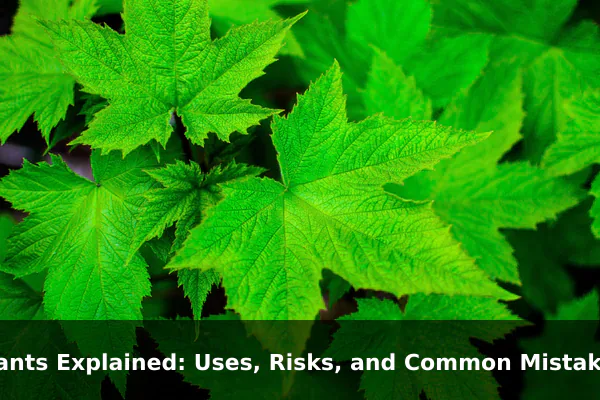
Plants surround us in kitchens, gardens, balconies, and living rooms, quietly supporting food, medicine, shade, and decoration. Yet the same green companions that brighten a room or season a meal can also irritate skin, trigger allergies, or become harmful when misused. Understanding how plants work in daily life means looking beyond their beauty and treating them as living materials with both benefits and limits.
This guide breaks down the practical uses of plants, the real risks behind common species, and the mistakes beginners often make. The goal is not to scare anyone away from gardening or herbal cooking, but to help readers make cautious, informed choices grounded in trusted safety sources rather than assumptions.
Why Plants Matter in Everyday Life
Plants are deeply woven into routine living. They feed households through vegetables, grains, fruits, and herbs. They support health through traditional remedies and modern pharmacy ingredients derived from botanical compounds. Outdoors, they shade buildings, cool urban air, hold soil in place, and feed pollinators that keep food systems running.
Indoors, leafy greenery contributes to a calmer, more inviting atmosphere and can improve how a room looks and feels. Culturally, plants appear in ceremonies, gifts, and symbols across nearly every society. Their value, however, depends on choosing the right species for the right purpose and handling them with care.
Everyday roles plants play
- Food and flavor: vegetables, fruits, grains, and culinary herbs.
- Wellness traditions: teas, tinctures, and topical preparations rooted in long-standing practice.
- Home and garden design: ornamentals, hedges, ground cover, and shade trees.
- Environmental support: erosion control, habitat, and pollinator forage.
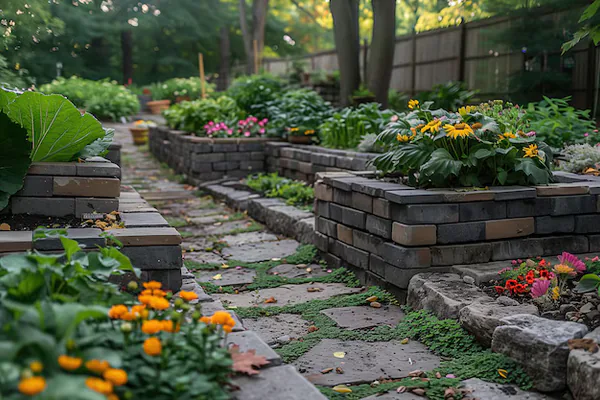
Common Plant Uses and What to Check First
Before using any plant for cooking, brewing, applying to skin, or even gifting, a few quick checks reduce risk significantly. The most important step is accurate identification. Common names vary by region and can refer to entirely different species, so cross-checking with a reliable botanical source or a local expert is wise.
Basic safety checks before use
- Confirm the species: avoid relying on a single photo match.
- Know which part is used: leaves, flowers, stems, roots, and seeds can differ in safety profile.
- Edible or ornamental? Many decorative plants are not food-safe even if they look appetizing.
- Consider the household: children, pregnant individuals, and pets may need extra precautions.
- Follow trusted preparation guidance: some plant foods require cooking or processing to be safe.
Risks: Toxicity, Allergies, Irritation, and Misuse
Natural does not automatically mean safe. According to general guidance from the U.S. FDA, MedlinePlus, and Poison Control resources, some plants and plant parts contain naturally occurring toxins that can cause illness when eaten, touched, or inhaled as smoke. Dose, preparation, and individual sensitivity all matter, and reactions can range from mild irritation to medical emergencies.
Common categories of plant-related risk
- Ingestion hazards: berries, seeds, leaves, or bulbs that can be toxic if eaten, particularly by children or pets.
- Skin irritation and dermatitis: sap, hairs, or oils that may cause rashes, blisters, or photosensitivity. The CDC NIOSH outdoor worker guidance highlights how routine contact with certain plants can become a workplace hazard.
- Allergic reactions: pollen, fragrance, or contact allergens that may trigger respiratory or skin symptoms.
- Misused remedies: herbal preparations taken in the wrong dose, mixed with medications, or substituted for medical care.
- Smoke and aerosol exposure: burning yard waste or unknown plants can release irritating compounds.
For any suspected poisoning, exposure, or unexpected reaction, contacting a local poison control center or emergency services is the appropriate first step rather than self-treating based on internet remedies.
Plant Safety at Home and in the Garden
Most plant-related incidents at home are preventable with a few habits. Treating plants the same way you would treat household chemicals, sharp tools, or hot surfaces helps build a calm, consistent safety routine without removing the joy of growing things.
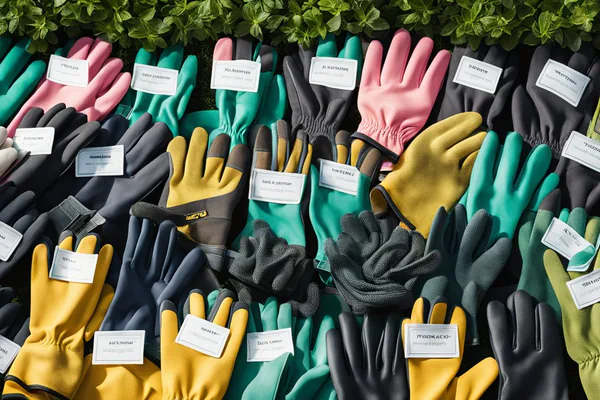
Practical prevention steps
- Label your plants with name and basic care notes so household members can identify them.
- Wear gloves when pruning, repotting, or handling species with known irritant sap.
- Wash hands and tools after gardening, especially before eating or touching the face.
- Separate risky species from areas accessed by curious toddlers and pets.
- Avoid unknown berries and leaves while foraging, hiking, or weeding.
- Store seeds, bulbs, and fertilizers out of reach in clearly marked containers.
- Keep emergency numbers visible, including your regional poison control line.
Common Mistakes Beginners Make
Many plant problems start with small but repeatable errors. Knowing them in advance saves money, plants, and sometimes a trip to the doctor or vet.
Mistakes to avoid
- Assuming natural equals safe. Many toxic plants are entirely natural and locally common.
- Relying on a single image search. Lookalike species can be dramatically different in safety.
- Tasting unidentified plants. Foraging without expert guidance is a leading cause of accidental exposure.
- Overwatering. More plants die from soggy roots than from drought-related neglect.
- Mixing up similar species, such as decorative versus culinary varieties with the same common name.
- Using damaged or moldy plant material in food or skin preparations.
- Ignoring local climate and trying to grow species that cannot survive available light, humidity, or temperatures.
- Skipping label instructions on purchased plants, soils, and treatments.
How to Choose and Care for Plants More Safely
Choosing the right plant is mostly about matching it to your space, schedule, and household. A thoughtful start avoids both safety problems and the frustration of struggling plants.
Beginner-friendly decision criteria
- Match light and water needs to what your space actually offers, not what you hope it offers.
- Choose lower-risk options for homes with young children, curious pets, or sensitive individuals.
- Buy from reputable sellers who label species accurately and provide care guidance.
- Read every label on pots, soil, fertilizer, and pest products.
- Start small. A few healthy plants are more rewarding than a crowded shelf that is hard to monitor.
- Keep notes on watering schedules, problems, and any reactions experienced while handling each species.
Quick Checklist Before Using Any Plant
This short checklist works for cooking, brewing tea, applying topical preparations, or simply bringing a new plant into the home.
- Identify accurately using more than one trustworthy source.
- Confirm intended use: edible, decorative, medicinal, or ceremonial.
- Review known risks for that species, including pet and child concerns.
- Prepare correctly, following established culinary or horticultural practice.
- Store safely away from food, children, and pets.
- Know who to call in case of accidental exposure or unexpected symptoms.
Conclusion
Plants offer enormous value, but they reward respect more than enthusiasm alone. Treating identification, preparation, and storage as essential steps, rather than optional ones, keeps the experience enjoyable and safe. When in doubt, lean on authoritative resources such as the CDC, FDA, MedlinePlus, and Poison Control, and consult qualified professionals for medical, veterinary, or horticultural questions specific to your situation. A cautious, curious mindset is the most reliable tool any plant lover can develop.
Official references
- CDC NIOSH – Poisonous Plants and Work – Authoritative safety guidance on poisonous plants, exposure routes, prevention, and when outdoor plant contact can become hazardous.
- U.S. FDA – Poisonous Plant Database – Primary regulatory reference for scientific literature on toxic properties and effects of plants and plant parts.
- U.S. FDA – Natural Toxins in Food – Useful for explaining that some plant-derived foods naturally contain toxins and that preparation, dose, and context affect risk.
- MedlinePlus – Poisoning – NIH/National Library of Medicine consumer health reference for poisoning basics, symptoms, prevention, and emergency response framing.
- Poison Control – Poisonous and Non-Poisonous Plants – Practical poison-center guidance for common plant exposures, household safety, and when to call Poison Control.
